
Introduction
The way the feet move can influence comfort, balance, walking efficiency, running performance, and the function of the lower limbs. When movement concerns or recurring discomfort develop, understanding the underlying mechanics can provide valuable insight. Biomechanics Hampstead focuses on examining how the feet, ankles, knees, hips, and body work together during movement. At PODO London, biomechanical assessment is tailored to each individual, taking account of gait, foot structure, footwear, activity levels, and lifestyle. This assessment-led approach supports informed decisions about movement, footwear, orthotics, and long-term foot health.
What Does Biomechanics Mean?
Biomechanics is the study of how forces affect the body and how different structures work together to create movement. In foot care, it involves understanding how the feet respond to the ground during standing, walking, running, and exercise. Biomechanics Hampstead provides an opportunity to examine these relationships more closely. At PODO London, clinicians consider individual movement patterns rather than assuming everyone has the same requirements. This can help identify mechanical characteristics that may be relevant to comfort, stability, mobility, or physical performance.
Why Individual Biomechanics Matter
Every person has a unique combination of foot structure, flexibility, strength, movement habits, footwear, and activity requirements. These differences can influence the way forces travel through the lower limbs. Biomechanics Hampstead assessment can help individuals understand their personal movement characteristics. At PODO London, clinicians consider the complete picture, including gait, foot function, posture, footwear, and lifestyle. This personalised approach helps avoid generic recommendations and provides guidance based on actual functional requirements. Understanding individual biomechanics can also help people make more informed decisions about their everyday activities.
The Relationship Between Feet and Lower Limbs
The feet provide the foundation for movement and interact closely with the ankles, knees, and hips. Changes in movement at one level can influence how forces are distributed elsewhere. Biomechanics Hampstead allows these relationships to be considered as part of a broader assessment. At PODO London, clinicians examine relevant aspects of lower limb movement to understand how the different structures work together. This can provide useful insight for individuals experiencing recurring discomfort or movement concerns and help determine whether personalised support or other recommendations may be appropriate.
Understanding Gait Through Biomechanics
Gait describes the way a person walks or runs, and it can provide important information about foot and lower limb function. Biomechanics Hampstead assessment may consider foot placement, stride, weight transfer, balance, alignment, and coordination. At PODO London, gait is considered alongside other biomechanical factors rather than being assessed in isolation. This provides a more complete understanding of movement. Identifying individual gait characteristics can help clinicians determine whether certain patterns may be relevant to a person's concerns and whether footwear advice, movement guidance, or orthotic support could be appropriate.
Foot Structure and Movement
The structure of the feet varies considerably between individuals. Differences in shape, flexibility, joint mobility, and alignment can influence the way forces are managed during movement. Biomechanics Hampstead can provide a more detailed understanding of how these characteristics interact with dynamic movement. At PODO London, clinicians consider static foot characteristics alongside walking or running patterns where relevant. This approach helps distinguish individual variation from mechanical factors that may have functional significance. Understanding foot structure can contribute to more appropriate recommendations for comfort, stability, and efficient movement.
The Importance of Pressure Distribution
Every step involves forces passing through the feet. Pressure may be distributed differently depending on foot structure, gait, footwear, activity, and individual biomechanics. Biomechanics Hampstead assessment can help explore these loading patterns. At PODO London, pressure-related factors can be considered when relevant to a person's concerns. Understanding how forces are distributed may provide useful information when investigating discomfort or movement difficulties. Depending on the findings, recommendations may involve footwear, personalised orthotics, movement strategies, or other appropriate approaches designed around the individual's requirements.
Biomechanics and Everyday Foot Comfort
Foot discomfort can affect work, commuting, walking, exercise, and social activities. A biomechanical assessment can help explore whether movement or loading patterns may be contributing to the problem. Biomechanics Hampstead provides a structured way to understand these factors. At PODO London, clinicians consider symptoms alongside gait, foot structure, footwear, activity, and lower limb function. This wider approach can help identify relevant contributing factors rather than focusing exclusively on where discomfort occurs. The findings can then support practical recommendations designed around the person's everyday needs.
Biomechanics for Runners
Running places repeated demands on the feet and lower limbs. Each stride involves coordinated movement and repeated management of forces. Biomechanics Hampstead can help runners understand their individual movement characteristics and identify factors that may influence comfort or efficiency. At PODO London, assessment can consider running gait, foot mechanics, footwear, training demands, and personal goals. The objective is not to assume that every runner needs intervention but to understand whether specific biomechanical characteristics are relevant. Where appropriate, personalised guidance can then be considered as part of a wider approach to running.
Supporting Active Lifestyles
People who participate in sport, gym training, walking, or recreational exercise may place different demands on their feet depending on the activity. Biomechanics Hampstead can provide useful information about how an individual's feet respond to physical demands. At PODO London, clinicians can consider activity levels, training frequency, footwear, movement patterns, and functional goals. This may be valuable for people who experience discomfort during exercise or want to understand their movement more thoroughly. Professional assessment can support informed choices about footwear, training, orthotics, and movement strategies where appropriate.
The Role of Footwear in Biomechanics
Footwear influences the environment in which the feet move. Different shoes can affect pressure, stability, flexibility, and comfort. Biomechanics Hampstead assessment can therefore include consideration of everyday and sports footwear. At PODO London, clinicians can review footwear requirements alongside individual movement characteristics. Work shoes, walking shoes, trainers, and running footwear may all have different purposes. Understanding which footwear is appropriate for specific activities can help individuals make informed decisions and is particularly important when personalised orthotic support is being considered.
Biomechanics and Custom Orthotics
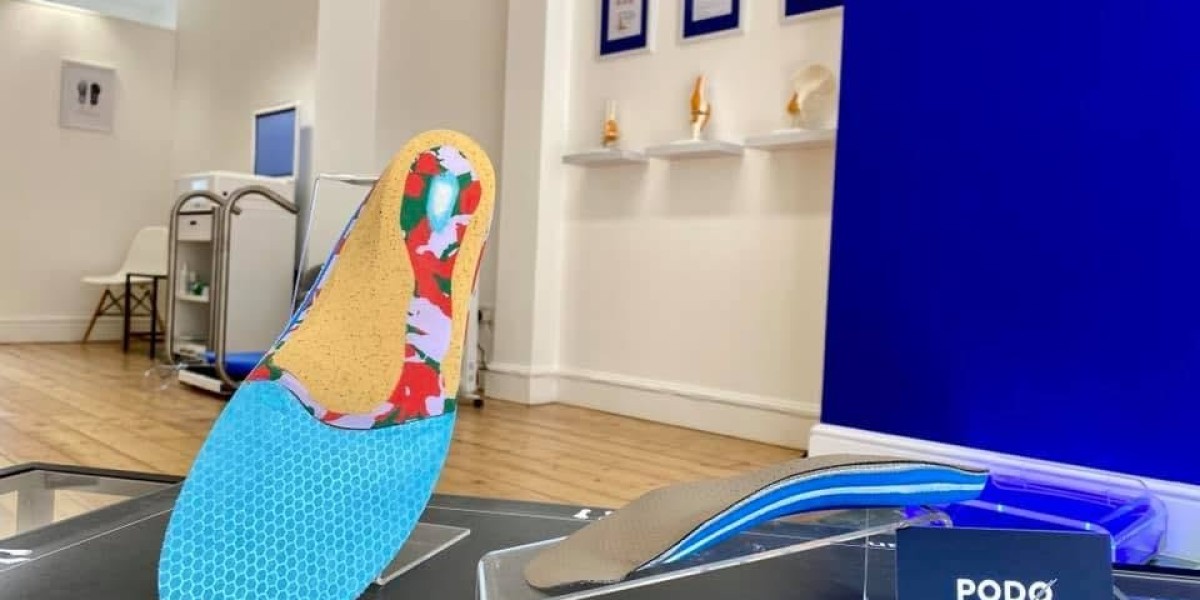
Custom orthotics may be considered when an assessment identifies specific biomechanical requirements. Biomechanics Hampstead provides valuable information about foot structure, gait, pressure, and lower limb movement that can contribute to an orthotic assessment. At PODO London, clinicians determine whether personalised support is appropriate rather than recommending orthotics automatically. If custom orthotics are suitable, assessment findings can help inform their design and intended function. This ensures that orthotic support is connected to the individual's actual movement characteristics, footwear, activity, and lifestyle.
Biomechanics for People Who Stand at Work
Occupations involving prolonged standing or frequent walking can place considerable demands on the feet. Healthcare professionals, hospitality workers, retail employees, teachers, and others may spend many hours on their feet. Biomechanics Hampstead assessment can help explore how individual movement patterns respond to these demands. At PODO London, occupational requirements can be considered alongside footwear and foot function. Understanding work-related demands may help identify practical strategies for supporting comfort, stability, and efficient movement throughout the day while considering the person's specific biomechanical characteristics.
Balance and Stability Assessment
Balance involves coordination between the feet, joints, muscles, sensory systems, and wider body. Foot mechanics can influence how stable a person feels during standing and movement. Biomechanics Hampstead can provide useful information about mechanical factors associated with stability. At PODO London, clinicians consider foot function and lower limb movement as part of a wider assessment. Depending on the findings, recommendations may involve footwear, personalised support, movement strategies, or additional assessment. The goal is to understand the individual's requirements and provide appropriate guidance rather than assuming one solution suits everyone.
When Should You Consider a Biomechanical Assessment?
A biomechanical assessment may be useful when someone experiences recurring foot discomfort, movement difficulties, balance concerns, repeated activity-related problems, or changes in walking or running. Biomechanics Hampstead provides a structured opportunity to investigate individual movement patterns. At PODO London, assessment considers the person's wider lifestyle and functional requirements. Not everyone requires treatment following an assessment. Findings may provide reassurance or greater understanding, while some individuals may benefit from recommendations involving footwear, orthotics, activity, or movement. Professional assessment helps ensure that decisions are based on individual circumstances.
Biomechanics for Different Lifestyles
Biomechanical requirements vary according to occupation, age, physical activity, footwear, and daily routines. Biomechanics Hampstead can be relevant to office workers, active adults, runners, walkers, commuters, and people with physically demanding occupations. At PODO London, assessment is adapted to the individual's activities and goals. This makes recommendations more practical because the clinician can consider how the person actually uses their feet. Someone who walks extensively each day may have very different requirements from someone who spends most of the working day seated.
A Personalised Approach to Movement
A biomechanical difference is not automatically a problem. Many variations in movement are simply normal differences between individuals. Biomechanics Hampstead assessment should therefore consider whether a particular characteristic is actually relevant to the person's comfort or function. At PODO London, clinicians look at symptoms, movement, lifestyle, footwear, and activity together. This helps avoid treating normal variation unnecessarily. Instead, the focus remains on identifying factors that may be meaningful for the individual and developing practical recommendations that support their specific goals and requirements.
Long Term Benefits of Understanding Your Biomechanics
Greater awareness of personal movement can help individuals make more informed choices about activity, footwear, and foot care. Biomechanics Hampstead provides an opportunity to understand how the feet and lower limbs respond to everyday demands. At PODO London, assessment findings can help patients understand their movement patterns and relevant biomechanical characteristics. This information can support practical decisions about exercise, footwear, orthotic options, and activity habits. A better understanding of movement can be particularly useful for people who want to remain active and maintain comfortable mobility over time.
Why Choose PODO London?
Choosing an experienced clinic can make biomechanical assessment more useful and informative. PODO London combines clinical expertise with knowledge of gait, foot function, biomechanics, and personalised support. For individuals searching for Biomechanics Hampstead, the focus is on understanding movement before making recommendations. Clinicians can consider foot structure, gait, pressure, alignment, footwear, activity, and lifestyle as appropriate. This assessment-led philosophy helps ensure that recommendations are connected to individual requirements rather than based on generic assumptions, supporting informed decisions about comfort, mobility, orthotics, and physical activity.
Professional Biomechanical Care for London Patients
People across London have different movement requirements depending on their work, activities, footwear, and lifestyle. PODO London provides professional biomechanical assessment for individuals who want a clearer understanding of their foot and lower limb function. The clinic is located at 28 Mortimer Street, 2nd Floor, W1W 7RD, London, United Kingdom. For people searching for Biomechanics Hampstead, professional assessment can provide useful information about gait, foot mechanics, alignment, pressure distribution, and movement. Recommendations are developed according to individual findings and practical lifestyle requirements.
Turning Assessment Into Practical Recommendations
The value of biomechanical assessment comes from understanding what the findings mean for everyday life. Biomechanics Hampstead can provide information that supports practical decisions about footwear, activity, movement, and personalised support. At PODO London, clinicians use individual assessment findings to guide recommendations rather than applying a fixed treatment plan. Depending on the circumstances, this may involve footwear guidance, custom orthotics, movement advice, or further assessment. The objective is to help individuals understand their biomechanics and use that knowledge to support comfortable and efficient movement.
Building a Stronger Foundation for Movement
The feet provide the foundation for standing, walking, running, and many other activities. Understanding how they function can help people make better-informed decisions about their movement and foot care. Biomechanics Hampstead offers an opportunity to examine these relationships in greater detail. At PODO London, clinicians consider foot function as part of the wider movement system. This comprehensive approach can help individuals understand the factors influencing comfort and mobility while supporting appropriate recommendations for footwear, activity, orthotics, and long-term lower limb function.
Conclusion
Biomechanics Hampstead provides an important way to understand how the feet, ankles, knees, hips, and wider body work together during movement. At PODO London, biomechanical assessment is personalised around individual foot structure, gait, pressure distribution, footwear, activity, lifestyle, and functional goals. This approach can help identify relevant movement characteristics and support informed decisions about appropriate care. Whether someone is a runner, active individual, worker who stands for long periods, or simply wants to understand their movement better, professional biomechanical assessment can provide valuable insight into comfortable and efficient mobility.
FAQs
What is Biomechanics Hampstead?
Biomechanics Hampstead refers to professional assessment of how the feet and lower limbs function during standing and movement. At PODO London, clinicians can consider gait, foot structure, pressure, alignment, footwear, and lifestyle. The findings help create a clearer understanding of individual movement and support personalised recommendations.
Who can benefit from biomechanical assessment?
Active individuals, runners, walkers, people who stand at work, and those experiencing recurring movement or foot concerns may benefit. At PODO London, assessment is tailored to the individual rather than based on a standard profile. Anyone interested in understanding their foot and lower limb function can potentially gain useful information.
Can biomechanics help runners?
Yes. Biomechanical assessment can help runners understand their individual gait, foot mechanics, footwear requirements, and lower limb movement. At PODO London, running-related factors can be considered alongside training demands and personal goals. This may help identify movement characteristics that are relevant to comfort or running efficiency.
Does biomechanics assessment mean I need orthotics?
No. A biomechanical assessment does not automatically result in an orthotic recommendation. PODO London considers individual findings before suggesting personalised support. Depending on the assessment, footwear guidance, movement advice, activity strategies, or simply greater understanding of individual biomechanics may be more appropriate.
Can footwear affect biomechanics?
Yes. Footwear can influence pressure, stability, flexibility, and comfort during movement. At PODO London, footwear can be considered as part of a wider biomechanical assessment. Understanding which shoes are suitable for work, walking, running, or sport can help individuals make more informed choices about their foot health.
Why choose PODO London for biomechanics?
PODO London provides an assessment-led approach combining clinical expertise with biomechanics, gait, and personalised foot care. For people searching for Biomechanics Hampstead, clinicians consider individual movement, foot structure, footwear, activity, pressure, and lifestyle. This helps create practical recommendations focused on comfortable movement, stability, mobility, and long-term foot health.