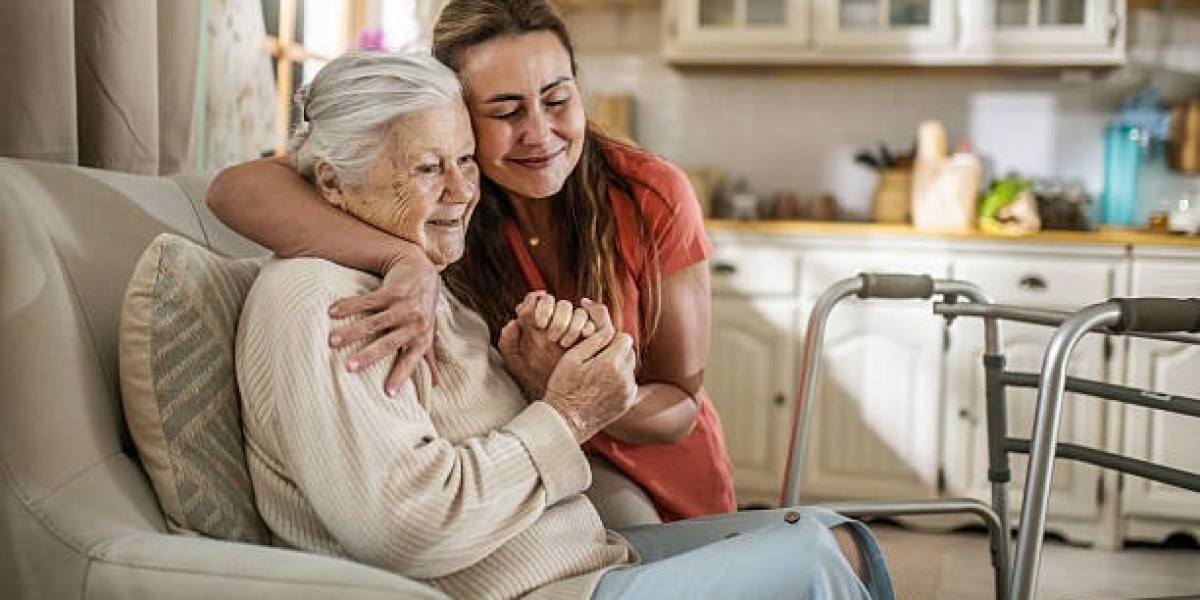

Personal care can become unexpectedly difficult as an older adult experiences changes in strength, balance, mobility, or memory. Families may notice that a loved one is skipping showers, wearing the same clothes, avoiding grooming, or needing considerably more time to complete basic routines. When these changes become noticeable, exploring home care Oklahoma City options can help families find practical ways to provide assistance while protecting an older adult's dignity, comfort, and independence.
1. Understand Why Personal Care Has Become Difficult
The first step is determining what is actually making personal care challenging. An older adult may struggle to stand for long periods, experience discomfort while moving, or feel unsteady while getting into a shower.
Memory changes can create another challenge. Someone may forget that they need to bathe, lose track of when they last showered, or become confused about the steps involved in a familiar routine.
Families should approach these changes with patience rather than criticism. Understanding the reason behind the difficulty can make it easier to choose an appropriate solution.
2. Pay Attention to Changes in Bathing Habits
Bathing is often one of the most difficult personal care activities for seniors. Getting into a tub, standing in a shower, washing properly, and getting dressed afterward can require considerable balance and coordination.
An older adult may begin avoiding showers because they are afraid of slipping or because the process has become physically exhausting. Families should take these concerns seriously.
Simple environmental changes may help. Better lighting, clear pathways, appropriate bathroom equipment, and keeping essential items within easy reach can make bathing more manageable.
3. Support Dressing Without Taking Away Independence
Getting dressed involves several physical and cognitive steps. Choosing appropriate clothing, putting garments on correctly, managing buttons or zippers, and selecting suitable footwear can become difficult for someone experiencing mobility or memory changes.
Families should allow the senior to complete as much of the process as possible. For example, a caregiver might lay out clothing in the correct order while allowing the individual to dress independently.
This approach provides assistance without making the older adult feel incapable. Maintaining participation in familiar routines can help preserve confidence and independence.
4. Grooming Can Reveal Important Changes
Hair care, shaving, brushing teeth, nail care, and other grooming activities can gradually become neglected when a senior begins struggling with daily routines.
Families may initially dismiss these changes as simple forgetfulness. However, repeated difficulties with grooming may indicate that the person needs reminders, encouragement, or hands-on assistance.
A respectful caregiver can help establish a consistent grooming routine. Keeping frequently used products organized and easily accessible can also reduce confusion and make the process more manageable.
5. Respect Privacy and Personal Boundaries
Personal care is deeply private, which means seniors may feel uncomfortable receiving assistance. Even when help is necessary, they may resist because they feel embarrassed or worry that their independence is disappearing.
Families and caregivers should communicate respectfully and explain what assistance is being provided. Whenever possible, the older adult should be given choices about clothing, bathing times, grooming preferences, and other personal routines.
Respectful communication can make assistance feel less intrusive. The goal should always be to support the person rather than make them feel as though they have lost control over their daily life.
6. Watch for Safety Problems
Difficulty with personal care can create safety concerns, particularly in bathrooms. Wet floors, slippery surfaces, difficult transfers, and poor balance can increase the possibility of falls.
Families should evaluate the environment and identify situations where the senior may need another person nearby. Assistance can be especially important when an activity requires standing, bending, stepping over obstacles, or moving between different surfaces.
Preventing avoidable accidents is one of the most important reasons to address changes in personal care early.
7. Know When Family Help Is Becoming Too Difficult
Relatives often step in when they notice a loved one struggling. While family involvement can be valuable, personal care responsibilities can become physically and emotionally demanding.
Helping with bathing, dressing, grooming, meals, and other routines may become difficult for relatives who also have jobs, children, and household responsibilities.
Families should not feel guilty about considering professional assistance. Bringing in a caregiver can allow relatives to remain emotionally involved while someone else provides consistent practical support.
8. Consider Specialized Support When Needs Increase
Personal care difficulties can sometimes occur alongside memory loss or other changes that require closer supervision. If an older adult is becoming increasingly confused, forgetting personal routines, or having trouble completing familiar activities, families may need to reassess the level of assistance being provided.
The appropriate support should be based on the individual's needs rather than a one-size-fits-all approach. Some seniors may only need reminders and occasional assistance, while others may benefit from regular supervision and hands-on help.
When memory-related changes begin affecting personal hygiene and everyday functioning, families exploring dementia care Oklahoma City services may find additional support for personal routines, companionship, safety, and daily activities. Addressing these needs with patience and respect can help an older adult remain comfortable while preserving as much independence as possible.