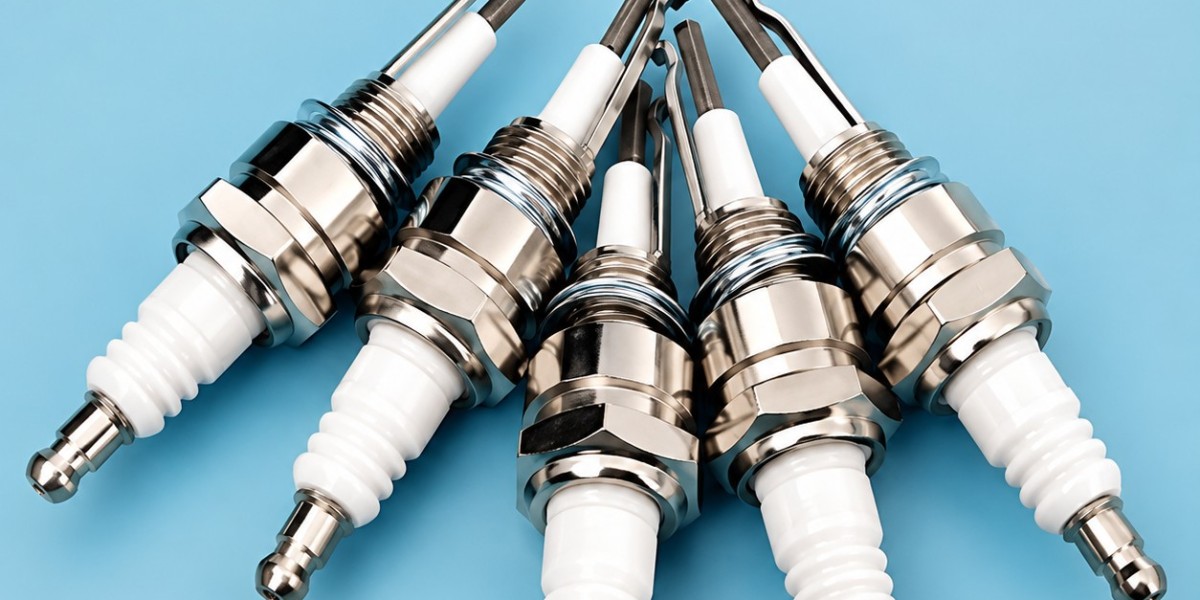

An alumina plug is a specialized ceramic component made primarily from alumina, also known as aluminum oxide. It is valued in industrial environments because of its excellent resistance to high temperatures, chemical attack, electrical insulation, and mechanical wear. Alumina plugs are commonly used in applications where ordinary materials may fail because of extreme heat, corrosive substances, or demanding operating conditions. Their combination of durability, stability, and resistance makes them useful across manufacturing, laboratory, furnace, chemical processing, electrical, and high-temperature applications.
What Is an Alumina Plug?
An alumina plug is a shaped ceramic component manufactured from alumina powder that is processed and fired to create a dense and durable material. Depending on its intended application, an alumina plug can be produced in different shapes, dimensions, grades, and levels of purity. The material is known for maintaining its performance under demanding conditions, which makes alumina plugs suitable for sealing, insulating, protecting, or supporting components in industrial systems. Their ceramic construction also gives them excellent dimensional stability compared with many conventional materials.
What Is Alumina Made Of?
Alumina is primarily aluminum oxide, a ceramic compound formed from aluminum and oxygen. It is commonly represented by the chemical formula aluminum oxide. The properties of alumina can vary depending on purity, manufacturing method, grain structure, and additives used during processing. High-purity alumina is often selected for applications requiring excellent chemical stability, electrical insulation, and high-temperature performance. Lower-purity grades can also provide useful mechanical and thermal properties for less demanding industrial applications.
Key Properties of Alumina Plugs
Alumina plugs offer several properties that make them valuable in industrial and technical environments. They can withstand high temperatures, resist many chemicals, provide electrical insulation, and maintain dimensional stability under demanding conditions. Alumina is also hard and wear resistant, allowing components manufactured from it to perform effectively where abrasion or mechanical contact is involved. These properties make alumina plugs a practical choice for applications that require reliable ceramic performance over extended periods.
High Temperature Resistance
One of the most important characteristics of an alumina plug is its ability to operate in high-temperature environments. Alumina ceramics can maintain their structural integrity at temperatures where many plastics, rubbers, and ordinary metals may experience significant changes. This makes alumina plugs suitable for furnaces, thermal processing equipment, laboratory systems, heating assemblies, and other applications exposed to intense heat. The exact operating temperature depends on the alumina grade, component design, surrounding atmosphere, and application conditions.
Chemical Resistance of Alumina Plugs
Alumina is resistant to many chemicals and can perform well in environments where corrosion and chemical exposure are concerns. This resistance makes alumina plugs useful in chemical processing, laboratory equipment, analytical systems, and industrial machinery. Although alumina is chemically stable against many substances, it is important to select the appropriate ceramic grade for a particular environment because chemical compatibility can vary depending on temperature, concentration, exposure time, and the specific chemical involved.
Electrical Insulation Properties
Alumina is widely recognized as an excellent electrical insulating ceramic. Alumina plugs can therefore be used in applications where electrical isolation is required alongside mechanical and thermal performance. They can help separate conductive components, protect electrical assemblies, and provide insulation in high-temperature environments. Their electrical properties make them particularly useful in technical equipment where conventional insulating materials may not provide sufficient thermal stability.
Mechanical Strength and Durability
Although alumina is a ceramic and can be brittle compared with some metals, it provides excellent hardness and compressive strength. Alumina plugs can withstand significant mechanical loads when properly designed and installed. Their hardness also gives them strong resistance to wear and abrasion. However, ceramic components should be handled carefully because sudden impacts, sharp stresses, or improper installation can cause cracking or breakage.
Thermal Stability
Alumina provides strong thermal stability, which means it can retain its physical properties across demanding temperature conditions. Alumina plugs can be useful where repeated heating and cooling occur, although thermal shock resistance depends on the specific material formulation, component geometry, and operating conditions. Selecting the appropriate alumina grade and design is important when an application involves rapid temperature changes.
Common Uses of Alumina Plugs
Alumina plugs are used in many technical and industrial applications because they combine heat resistance, chemical stability, hardness, and electrical insulation. They may serve as protective components, insulating elements, seals, supports, spacers, closures, or process components. Their exact role depends on the design and requirements of the equipment in which they are installed. Industries working with furnaces, laboratory instruments, electrical systems, chemical processes, and high-temperature equipment can benefit from alumina ceramic components.
Alumina Plugs in Furnace Applications
Furnace systems often operate under extreme temperatures and require materials that can maintain their shape and performance. Alumina plugs can be used in furnace components where thermal stability and resistance to heat are important. They may help close openings, protect internal components, support assemblies, or provide insulation. Their ceramic construction makes them suitable for environments where conventional materials could deform, oxidize, or deteriorate.
Alumina Plugs in Laboratory Equipment
Laboratories often require materials that can tolerate heat, chemicals, and repeated use. Alumina plugs can be used in specialized laboratory equipment and high-temperature testing systems because they provide excellent thermal and chemical stability. They can also be useful in analytical equipment where contamination resistance and material stability are important. The appropriate alumina purity and surface finish should be selected according to the laboratory application.
Alumina Plugs in Electrical Applications
Electrical and electronic equipment can use alumina ceramic components when electrical insulation and thermal performance are required together. Alumina plugs can provide physical separation between conductive components while resisting elevated temperatures. Their insulating properties make them suitable for specialized electrical assemblies, high-temperature connectors, sensor systems, and other technical applications where conventional insulating materials may not be suitable.
Alumina Plugs in Chemical Processing
Chemical processing equipment can face aggressive substances, elevated temperatures, and continuous operating conditions. Alumina plugs can provide a durable ceramic solution in suitable chemical environments because alumina has strong resistance to many forms of chemical attack. They can be incorporated into equipment where protection, insulation, or sealing is required. Careful material selection remains important because no ceramic material is universally resistant to every chemical environment.
Alumina Plug Sizes and Shapes
Alumina plugs can be manufactured in various shapes and dimensions to match specific equipment requirements. Common designs may include cylindrical, tapered, threaded, flat-ended, or custom-shaped components. The dimensions can be selected according to the opening, assembly, pressure conditions, temperature, and mechanical requirements of the application. Custom manufacturing is also possible for specialized industrial equipment where standard ceramic plugs do not provide the required fit.
Alumina Purity and Performance
The purity of alumina can influence the performance and suitability of an alumina plug. Higher-purity alumina generally provides excellent electrical insulation, chemical stability, and high-temperature performance, making it suitable for demanding technical applications. Other alumina compositions may include additives that improve particular characteristics such as toughness, machinability, or thermal behavior. The best material should be selected according to the operating conditions rather than simply choosing the highest purity available.
Manufacturing Process of Alumina Plugs
The manufacturing process generally begins with carefully prepared alumina powder. The powder is shaped using an appropriate forming method, followed by drying and high-temperature firing. During firing, the ceramic particles bond together and form a dense structure. Additional processes such as grinding, polishing, machining, or surface finishing may be used to achieve precise dimensions and surface characteristics. Quality control is important throughout production because ceramic components must meet dimensional and performance requirements.
Advantages of Using Alumina Plugs
Alumina plugs offer several advantages for demanding applications. Their ability to withstand high temperatures makes them useful in thermal systems, while their chemical resistance allows them to function in many industrial environments. Their electrical insulation properties provide additional value in electrical and electronic applications. Alumina is also hard and wear resistant, which can support long service life when the component is correctly selected, installed, and operated within its design limits.
Limitations of Alumina Plugs
Despite their many advantages, alumina plugs also have limitations that should be considered before selection. Alumina ceramics are relatively brittle and can crack under impact or excessive mechanical stress. Rapid temperature changes may also create thermal stresses depending on the component design and material grade. Machining finished alumina can be difficult and may require specialized equipment. For these reasons, application conditions, dimensions, mechanical loads, temperature changes, and installation methods should be evaluated carefully.
How to Choose the Right Alumina Plug
Choosing the right alumina plug requires consideration of several technical factors. The operating temperature, chemical environment, electrical requirements, mechanical load, dimensions, surface finish, and required purity should all be evaluated. The shape and fit are also important because an incorrectly sized ceramic component can experience unnecessary stress. Consulting technical specifications and matching the material grade to the actual operating environment can help ensure reliable performance.
Alumina Plug Compared With Other Ceramic Materials
Alumina is one of the most widely used technical ceramics, but it is not the only option available. Other ceramics may provide different combinations of thermal conductivity, thermal shock resistance, toughness, chemical resistance, or electrical characteristics. Alumina is often selected because it offers a strong balance of performance, availability, durability, and cost. The ideal material depends on the specific application rather than assuming that one ceramic is suitable for every environment.
Maintenance of Alumina Plugs
Proper maintenance can help extend the service life of alumina plugs. Components should be inspected periodically for cracks, chips, discoloration, surface damage, or signs of chemical attack. Cleaning methods should be compatible with the ceramic and the surrounding equipment. Alumina plugs should also be handled carefully during installation and removal to prevent impact damage. If a component shows significant cracking or deterioration, it should be evaluated before being returned to service.
Storage and Handling of Alumina Plugs
Alumina plugs should be stored in a clean, dry, and protected environment where they are unlikely to experience accidental impact. Because ceramic components can be damaged by dropping or striking them against hard surfaces, careful handling is important. Protective packaging can help prevent chips and cracks during transportation and storage. Before installation, each plug should be inspected to ensure that it is free from visible damage and suitable for the intended application.
Why Alumina Plugs Are Used in High-Temperature Industries
High-temperature industries need materials that can maintain their performance under extreme operating conditions. Alumina plugs provide a combination of thermal stability, hardness, chemical resistance, and electrical insulation that makes them useful for such environments. Their ability to retain their shape and function at elevated temperatures allows them to support processes where ordinary materials may deteriorate quickly. This makes alumina an important engineering ceramic for specialized industrial equipment.
Industrial Importance of Alumina Ceramic Components
Alumina ceramic components play an important role in modern industrial technology because they provide properties that are difficult to achieve with conventional materials. Their use extends across thermal processing, electrical equipment, chemical systems, laboratory technology, and specialized manufacturing. Alumina plugs are one example of how this versatile ceramic can be shaped into practical components that provide protection, insulation, sealing, and structural support under demanding conditions.
Frequently Asked Questions About Alumina Plug
What is an alumina plug used for?
An alumina plug is used in applications requiring a durable ceramic component with high-temperature resistance, chemical stability, electrical insulation, and wear resistance. It can serve as a protective, insulating, sealing, supporting, or closing component depending on its design and application.
Is an alumina plug suitable for high-temperature applications?
Yes, alumina plugs are widely used for high-temperature applications because alumina maintains its structural and functional properties at elevated temperatures. The appropriate grade should be selected according to the actual operating temperature and environmental conditions.
Are alumina plugs electrically insulating?
Yes, alumina is an excellent electrical insulator and is commonly used for electrical isolation in technical and industrial applications. Its insulating performance can make alumina plugs useful in high-temperature electrical assemblies and specialized equipment.
Are alumina plugs resistant to chemicals?
Alumina has strong resistance to many chemicals, making alumina plugs suitable for numerous chemical and laboratory applications. However, chemical compatibility should always be checked against the specific chemical, concentration, temperature, and exposure conditions.
Can alumina plugs be customized?
Yes, alumina plugs can be manufactured in different shapes, dimensions, purity levels, and surface finishes. Custom designs can be produced for specialized equipment when standard ceramic components do not meet the required specifications.
Are alumina plugs fragile?
Alumina is hard and mechanically strong in many conditions, but like other ceramics it can be brittle and may crack under impact or excessive tensile stress. Proper handling, installation, and component design are therefore important.
How long can an alumina plug last?
The service life of an alumina plug depends on temperature, chemical exposure, mechanical stress, thermal cycling, installation conditions, and material quality. When correctly selected and operated within its design limits, an alumina plug can provide long-term service.
How should an alumina plug be maintained?
Maintenance generally involves regular inspection for cracks, chips, contamination, and surface deterioration. The component should be cleaned using suitable methods and handled carefully during installation and removal to avoid mechanical damage.
Conclusion
An alumina plug is a versatile technical ceramic component designed for applications where heat resistance, chemical stability, electrical insulation, hardness, and durability are important. Its ability to perform under demanding conditions makes it valuable in furnace systems, laboratory equipment, chemical processing, electrical assemblies, and other specialized industrial environments.
Selecting the correct alumina plug requires careful consideration of temperature, chemical exposure, mechanical conditions, dimensions, purity, and electrical requirements. While alumina provides excellent performance in many demanding environments, its ceramic nature means that proper handling and installation are essential. With appropriate material selection and careful use, alumina plugs can provide reliable performance and long service life across a wide range of industrial and technical applications.