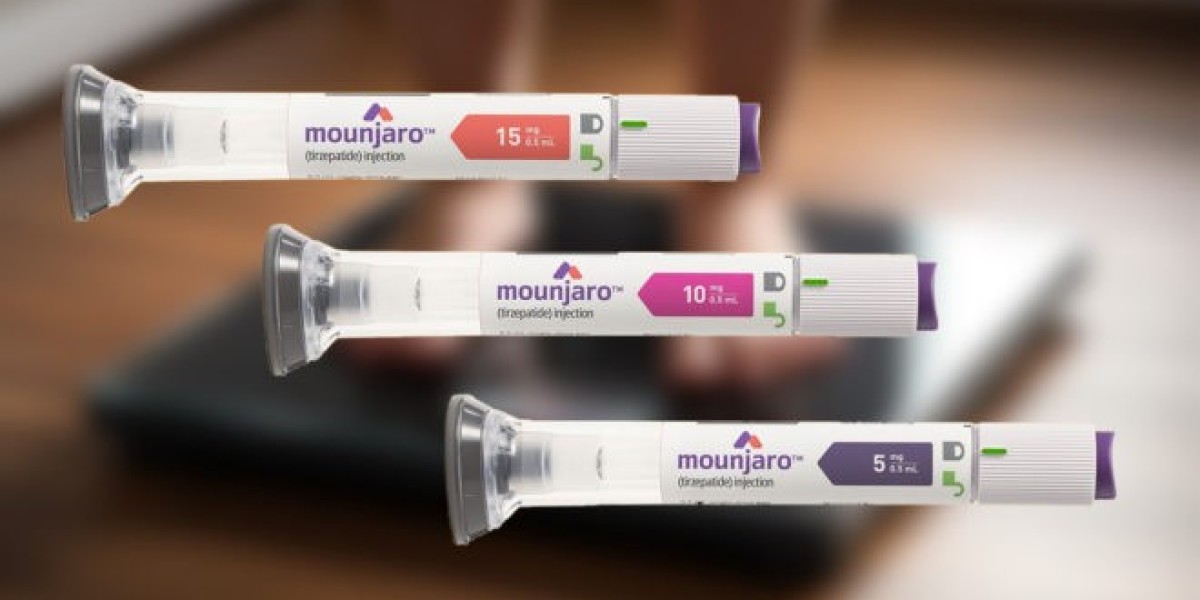

Mounjaro (tirzepatide) is a prescription injectable medicine that has gained attention for its role in managing blood sugar levels and its effects on appetite and body weight. For people considering Mounjaro Injection in Islamabad , understanding how the medication works, its potential benefits, appropriate uses, and possible side effects is important before starting treatment.
What Is Mounjaro Injection?
Mounjaro contains tirzepatide, a medicine that activates two hormone receptors called GIP and GLP-1. It is used along with diet and exercise to improve blood glucose control in people with type 2 diabetes. The medicine is administered as a subcutaneous injection, generally once a week.
Because tirzepatide can influence appetite and food intake, it has also become widely discussed in relation to weight management. However, patients should not start or adjust Mounjaro without appropriate medical evaluation and prescription.
How Does Mounjaro Work?
Mounjaro works through GIP and GLP-1 pathways that are involved in blood sugar regulation and appetite. It can help the body release insulin when blood glucose is elevated and can slow stomach emptying.
These effects may help some patients feel fuller for longer and consume less food. The response varies between individuals, so treatment should be personalized according to medical needs and treatment goals.
Benefits of Mounjaro Injection
Mounjaro may offer several potential benefits when appropriately prescribed and combined with healthy lifestyle habits.
Blood Sugar Management
Its primary approved use is improving glycemic control in people with type 2 diabetes. It can support better blood glucose management alongside diet and physical activity.
Appetite Control
Tirzepatide can affect appetite and food intake. Some patients may experience reduced hunger, which can make it easier to follow a calorie-controlled eating plan.
Support for Weight Management
Although Mounjaro's approved indication depends on the patient's medical circumstances and regulatory jurisdiction, tirzepatide has significant effects on body weight. Patients interested in weight management should discuss whether an appropriate tirzepatide-based treatment is suitable for them.
Convenient Weekly Administration
Mounjaro is administered once weekly, which can be more convenient than treatments requiring daily injections. The prescribing information provides specific instructions for administration and dose escalation.
Who May Be Suitable for Mounjaro?
Suitability depends on a person's health, medical history, current medicines, blood sugar levels, weight-related concerns, and treatment goals. A healthcare professional should assess whether tirzepatide is appropriate before treatment begins.
Mounjaro should not be used by people with a personal or family history of medullary thyroid carcinoma or by those with Multiple Endocrine Neoplasia syndrome type 2. It is also contraindicated in people with a serious hypersensitivity to tirzepatide or its ingredients.
What to Expect During Treatment
Treatment generally begins with a low dose before the dose is increased according to the prescribing plan and individual response. The current FDA prescribing information lists 2.5 mg once weekly as the recommended starting dose, followed by an increase after four weeks when appropriate.
Patients may notice changes in appetite, digestion, or blood sugar control as treatment progresses. Results are not necessarily immediate, and regular follow-up can help monitor progress and tolerability.
Maintaining balanced nutrition, adequate hydration, physical activity, and appropriate follow-up is important during treatment.
Possible Side Effects
Like other prescription medicines, Mounjaro can cause side effects. The most commonly reported include nausea, diarrhea, decreased appetite, vomiting, constipation, indigestion, and abdominal pain.
More serious reactions can occur, including pancreatitis, severe gastrointestinal problems, gallbladder disease, kidney problems related to dehydration, and serious allergic reactions. Patients should seek medical attention if they develop severe or persistent symptoms.
Patients should also tell their healthcare provider about planned surgery or procedures requiring anesthesia because Mounjaro can delay stomach emptying.
FAQs About Mounjaro Injection
Is Mounjaro a weekly injection?
Yes. Mounjaro is administered subcutaneously once weekly according to the prescribed treatment plan.
Can Mounjaro help with weight loss?
Tirzepatide can reduce appetite and food intake and may lead to significant weight reduction in appropriate patients. However, treatment should be medically supervised and used according to its approved indication.
How quickly does Mounjaro work?
The response varies from person to person. Blood and glucose appetite-related changes may occur during treatment, while other results can develop gradually over time.
What are the common side effects of Mounjaro?
Common side effects include nausea, diarrhea, reduced appetite, vomiting, constipation, indigestion, and abdominal discomfort.
Can everyone use Mounjaro?
No. Mounjaro is not suitable for everyone. Certain medical conditions and medication combinations can affect its safety, so professional assessment is important before treatment.
Final Thoughts
Mounjaro is a prescription medicine that can provide important benefits for appropriate patients, particularly for type 2 diabetes management. Its effects on appetite and body weight have also increased interest in tirzepatide-based treatments. If you are considering Mounjaro Injection in Islamabad , consult a qualified healthcare professional for an individualized assessment rather than using the medication without supervision. A proper evaluation can help determine whether it is suitable for your health needs, goals, and medical history.