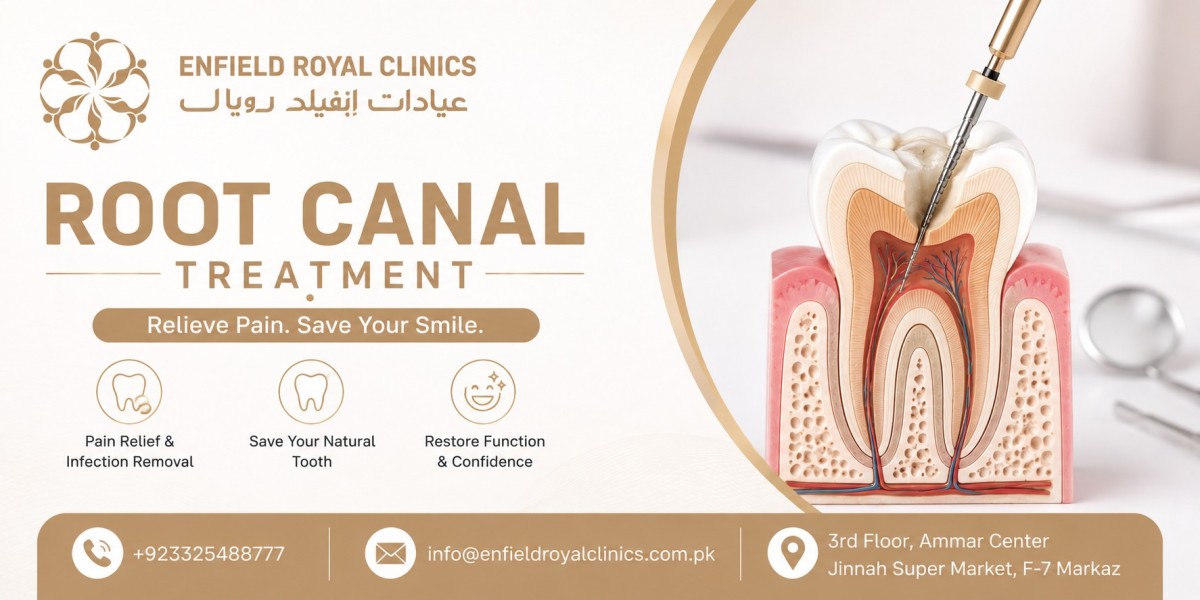

After dental treatment, proper aftercare can make the recovery process more comfortable and help protect the treated tooth. Although most people return to their normal routine relatively quickly, certain habits can place unnecessary pressure on the tooth or interfere with the healing process.
Knowing what to avoid after Root Canal Treatment is especially important when the tooth has a temporary filling or is waiting for a permanent crown. Simple precautions during this period can reduce the risk of fractures, discomfort, or damage to the restoration.
Avoid Eating Until the Numbness Wears Off
Local anesthesia can leave your lips, tongue, cheeks, and tooth area numb for several hours. Eating while numb increases the possibility of accidentally biting your cheek or tongue.
You may also be unable to judge the temperature of food properly, which can result in burns from very hot drinks or meals. It is generally safer to wait until normal sensation returns before eating.
Once the numbness disappears, begin with comfortable foods and avoid putting unnecessary pressure on the treated tooth.
Stay Away From Hard Foods
Hard foods can place substantial pressure on a recently treated tooth. This is particularly important when the tooth has lost a significant amount of structure because of decay or previous damage.
Avoid foods such as ice, hard candies, popcorn kernels, very hard nuts, and other items that require forceful biting. Chewing hard objects can increase the risk of cracking or damaging the restoration.
Soft foods are usually a practical choice during the early recovery period.
Avoid Sticky and Chewy Foods
Sticky foods can sometimes pull against a temporary filling or restoration. Foods such as caramel, toffee, chewing gum, and certain chewy sweets may place unnecessary stress on the treated area.
If you have a temporary filling, be particularly careful because this type of restoration is intended to protect the tooth for a limited period rather than provide the same strength as a permanent restoration.
Your dentist may recommend avoiding sticky foods until the final restoration has been placed.
Do Not Chew Only on the Treated Tooth
Even if the tooth feels comfortable immediately after the procedure, it may still need protection while the surrounding tissues settle and the final restoration is completed.
Try to use the opposite side of your mouth for tougher foods when possible. This reduces excessive pressure on the treated tooth and may lower the chance of accidental damage.
Your dentist will let you know when the tooth is ready for normal chewing.
Avoid Smoking and Tobacco Products
Smoking can negatively affect oral health and may interfere with the body's normal healing processes. Tobacco use is also associated with gum problems and an increased risk of dental complications.
Avoiding smoking during recovery is a sensible step toward protecting both the treated tooth and the surrounding tissues. Long-term tobacco reduction or cessation can provide additional benefits for overall oral health.
Do Not Ignore Your Oral Hygiene
Some patients mistakenly believe that brushing should be stopped after dental treatment. In most cases, maintaining good oral hygiene remains important.
Plaque and bacteria can accumulate around the treated tooth and contribute to new decay or gum irritation. Brush gently and continue cleaning between your teeth unless your dentist gives you different instructions.
Take extra care around the temporary or permanent restoration without applying unnecessary force.
Avoid Delaying the Final Restoration
Finishing the internal procedure does not always mean the treatment process is completely finished. Some teeth require a permanent filling or crown to restore strength and protect the remaining structure.
A tooth weakened by extensive decay can be more susceptible to fracture. Delaying the recommended final restoration may leave it exposed to chewing forces and bacteria.
Follow your dentist's schedule and complete the restoration as advised.
Do Not Bite Hard Objects
Teeth should not be used as tools. After treatment, avoid habits such as biting pens, opening packages with your teeth, cracking nuts with your teeth, or chewing ice.
These habits can generate concentrated pressure and may cause fractures even in otherwise healthy teeth. A recently treated tooth may be particularly vulnerable if it has lost a significant amount of structure.
Protecting the tooth from unnecessary stress can improve its long-term outlook.
Avoid Extreme Food Temperatures if They Cause Discomfort
The treated tooth itself should no longer respond to temperature in the same way once the pulp has been removed. However, the tissues surrounding the tooth may remain sensitive for a short period.
Very hot or very cold foods and drinks can sometimes feel uncomfortable during early recovery. Choosing moderate temperatures can make eating more pleasant until tenderness settles.
You do not necessarily need to avoid temperature changes permanently unless your dentist identifies another cause of sensitivity.
Do Not Ignore Persistent Pain or Swelling
Some tenderness after treatment can be normal, but symptoms that become increasingly severe should not be ignored.
Contact your dentist if you experience significant swelling, severe pain, persistent pressure, fever, or difficulty biting. These symptoms may require additional evaluation.
A treated tooth can occasionally develop complications, and early assessment may make further care easier.
Avoid Skipping Follow-Up Appointments
Follow-up visits allow the dentist to monitor healing, check the restoration, and complete any remaining treatment. Missing these appointments can delay important steps in protecting the tooth.
This is particularly important if you have a temporary filling. Temporary materials are not designed to serve as a permanent solution indefinitely.
Keep your scheduled appointments and follow any instructions provided by your dental professional.
Be Careful With Physical Activities When Appropriate
Most patients can return to their normal daily activities after treatment. However, if your tooth was treated because of recent dental trauma or if additional oral procedures were performed, your dentist may recommend temporary precautions.
Contact sports may require extra protection when the mouth is still recovering from an injury. A professionally fitted mouthguard can help reduce the risk of future dental trauma during sports.
Follow individualized advice rather than assuming every patient has the same restrictions.
How Can You Protect the Tooth Long Term?
After Root Canal Treatment, caring for the treated tooth is similar to caring for your other teeth, but extra attention may be useful. Maintain regular brushing, flossing, and dental examinations.
Avoid habits that create excessive pressure, and make sure the recommended permanent restoration is completed. Regular checkups can also identify new decay, damaged restorations, or other problems at an early stage.
A treated tooth can continue functioning for many years when it is appropriately restored and maintained.
Final Thoughts
Knowing what to avoid after Root Canal Treatment can help protect the tooth while it recovers. Avoid hard and sticky foods, excessive pressure, smoking, poor oral hygiene, and habits that can cause fractures. It is also important not to delay your final restoration or follow-up appointments.
Some temporary tenderness can occur, but severe pain, swelling, or other unusual symptoms should be checked by a dentist. With proper aftercare and regular dental maintenance, the treated tooth can remain a useful part of your natural smile for years.
For more information visit Enfield royal clinic in islamabad