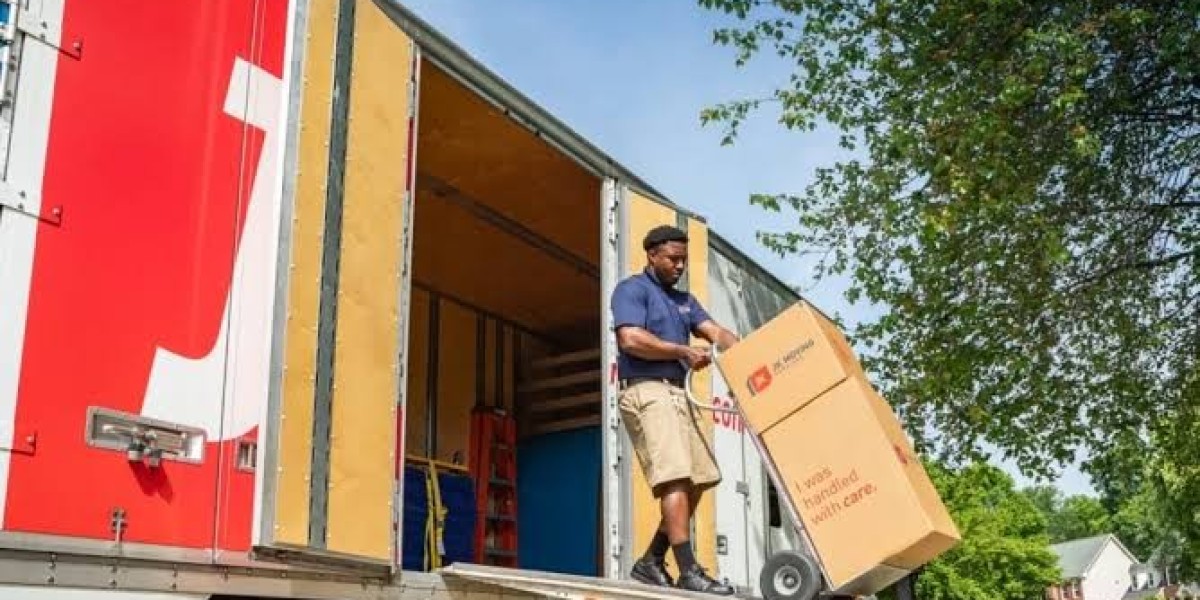

Commercial relocation involves much more than transporting desks and equipment from one address to another. Businesses must coordinate employees, furniture, documents, technology, schedules, building access, and operational requirements. Without proper planning, even a relatively small move can create unnecessary downtime and confusion.
Moving & Relocation Services help organizations approach commercial moves through structured planning and coordinated execution. Whether a company is expanding into a larger office, consolidating departments, moving to a new facility, or reorganizing its existing workplace, careful preparation can make the transition more efficient.
Why Is Commercial Relocation More Complicated?
A business move affects daily operations. Employees may need access to workstations, records, equipment, meeting rooms, and communication systems immediately after arriving at the new location.
Unlike residential moves, commercial relocations also involve operational deadlines. A company may need to continue serving customers throughout the transition.
Therefore, the relocation plan should consider both transportation and business continuity.
Facility managers should identify critical departments, essential equipment, sensitive materials, and priority areas before moving day. This creates a clearer sequence and reduces last-minute decisions.
What Should Businesses Plan First?
The first step should involve defining the scope of the move.
Managers can determine which departments are relocating, which assets will move, and which items will remain behind. They should also establish the expected completion date and identify people responsible for major decisions.
A detailed inventory can simplify this process.
Items can be categorized by department, destination, priority, or workspace. Clear labeling then helps ensure assets reach their intended locations.
How Can Businesses Reduce Downtime?
Downtime represents one of the biggest concerns during relocation.
Employees cannot work efficiently if their equipment, files, or workstations remain unavailable. Therefore, businesses should plan the move around operational priorities.
Some organizations may relocate departments in stages. Others may schedule the move during weekends or outside normal operating hours.
The right approach depends on business size, working hours, customer requirements, and the complexity of the facility.
A phased strategy can allow essential departments to continue operating while other areas transition.
Why Is an Inventory Important?
Commercial properties can contain thousands of individual assets.
Without an inventory, businesses may struggle to determine whether everything arrived at the new facility. Items can also end up in the wrong department or workspace.
An organized inventory creates accountability.
Furniture, equipment, supplies, and other assets can receive simple identification labels. Teams can then verify items as they leave the original property and arrive at the destination.
This process also helps identify unnecessary items before transportation begins.
Moving outdated furniture or unused equipment only increases workload and storage requirements.
How Should Businesses Prepare Employees?
Employees need clear information before a relocation.
Management should communicate important dates, packing responsibilities, temporary work arrangements, access instructions, and expectations for the first day at the new location.
Clear communication reduces uncertainty.
Employees should also know where their new workspaces will be located and which items they are responsible for preparing.
Managers can provide updates when schedules change.
Consistent communication prevents conflicting information from spreading across departments.
How Should Office Furniture Be Managed?
Furniture often represents a major part of a commercial move.
Desks, chairs, cabinets, conference tables, storage units, and modular workstations must be transported and placed according to the new floor plan.
Businesses should confirm measurements before moving furniture into the destination.
A floor plan can help determine where each department belongs and prevent unnecessary rearrangement.
Furniture Installation and Cubicle Maintenance can support the final setup by helping businesses configure workstations according to the planned workplace layout.
This can reduce the time employees spend waiting for functional workspaces.
Why Should the New Facility Be Prepared Early?
The destination should be ready before major assets arrive.
Businesses should confirm building access, loading areas, elevators, security requirements, utilities, workspace assignments, and other relevant conditions.
A walkthrough before moving day can identify potential obstacles.
For example, narrow access points may affect large furniture, while restricted building hours may change the transportation schedule.
Addressing these issues early reduces delays.
How Should Sensitive Materials Be Handled?
Commercial relocations often involve confidential information.
Employee records, financial documents, contracts, customer information, and proprietary materials may require controlled handling.
Businesses should identify these materials before packing begins.
They should also determine who can access them during the move and where they will be stored at the destination.
Clear handling procedures reduce the risk of misplaced or improperly accessed records.
How Can Businesses Manage Unwanted Items?
Relocation provides an opportunity to review existing assets.
Businesses often discover outdated equipment, unused furniture, duplicate supplies, or unnecessary storage materials during preparation.
Not everything needs to move.
Managers should review company policies before disposing of records or equipment. Items that remain useful can be relocated, while approved disposal or donation processes can handle unnecessary materials.
Reducing the volume of items can make the move more efficient.
How Does Facility Maintenance Affect Relocation?
The condition of the new property matters just as much as transportation.
Walls, doors, fixtures, flooring, and other building components should be inspected before employees occupy the space. Any obvious issues can then be addressed before normal operations begin.
Building Maintenance can support preparation by addressing appropriate property-related requirements before or after the relocation.
This helps ensure employees arrive at a facility that is ready for everyday use rather than entering a space that still requires significant attention.
What Role Does Technology Play?
Technology can improve relocation planning.
Digital inventories, project management systems, floor plans, checklists, and communication platforms allow teams to track progress more effectively.
Managers can assign responsibilities and monitor deadlines from a centralized system.
Digital records also make it easier to identify outstanding tasks.
For larger relocations, technology can provide visibility across multiple departments and locations.
However, tools should simplify the process rather than create unnecessary administrative work.
How Can Businesses Handle Construction or Renovation?
Sometimes relocation happens because a company is moving into a newly renovated or redesigned facility.
In these situations, the move must align with project completion.
Businesses should avoid moving employees into areas that are still undergoing construction work. Dust, debris, unfinished surfaces, and incomplete infrastructure can interfere with operations.
Construction, Demolition, and Renovation activities should therefore be coordinated with the relocation timeline when applicable.
A final inspection can confirm that spaces are ready before employees begin using them.
What Should Businesses Look for in a Relocation Provider?
Commercial experience should be a major consideration.
Business moves involve different challenges from household relocations. Providers should understand workplace schedules, building access, furniture handling, asset organization, and communication requirements.
Reliability is equally important.
A delayed move can affect employees, customers, vendors, and other stakeholders.
Businesses should therefore clarify responsibilities, timelines, access requirements, and communication procedures before the project begins.
A defined plan creates stronger accountability.
Why Is Post-Move Inspection Important?
The relocation process does not end when the final item arrives.
Managers should verify that departments received their assets, workstations are correctly arranged, important materials are accessible, and the facility is ready for normal activity.
Employees can also report practical problems after returning to work.
For example, a department may discover that equipment placement needs adjustment or that storage locations are inconvenient.
Resolving these issues quickly helps the organization settle into the new environment.
How Can Businesses Improve Future Relocations?
Every commercial move can provide useful lessons.
Managers can document delays, communication problems, unexpected costs, access difficulties, and successful processes. These observations can improve future relocation planning.
Businesses should also maintain updated inventories and workplace plans when possible.
This reduces preparation time during future expansions or reorganizations.
A relocation should therefore be viewed as both a project and an opportunity to improve workplace organization.
Why Is Professional Relocation Planning Valuable?
A commercial move affects nearly every part of an organization.
Careful planning helps businesses coordinate people, assets, schedules, and facilities while reducing unnecessary disruption. About CFS supports commercial organizations with professional facility solutions designed around the practical requirements of business environments.
A successful relocation depends on preparation rather than last-minute decisions. Clear inventories, employee communication, destination readiness, coordinated setup, and post-move verification can help businesses transition into new spaces with greater efficiency and confidence.