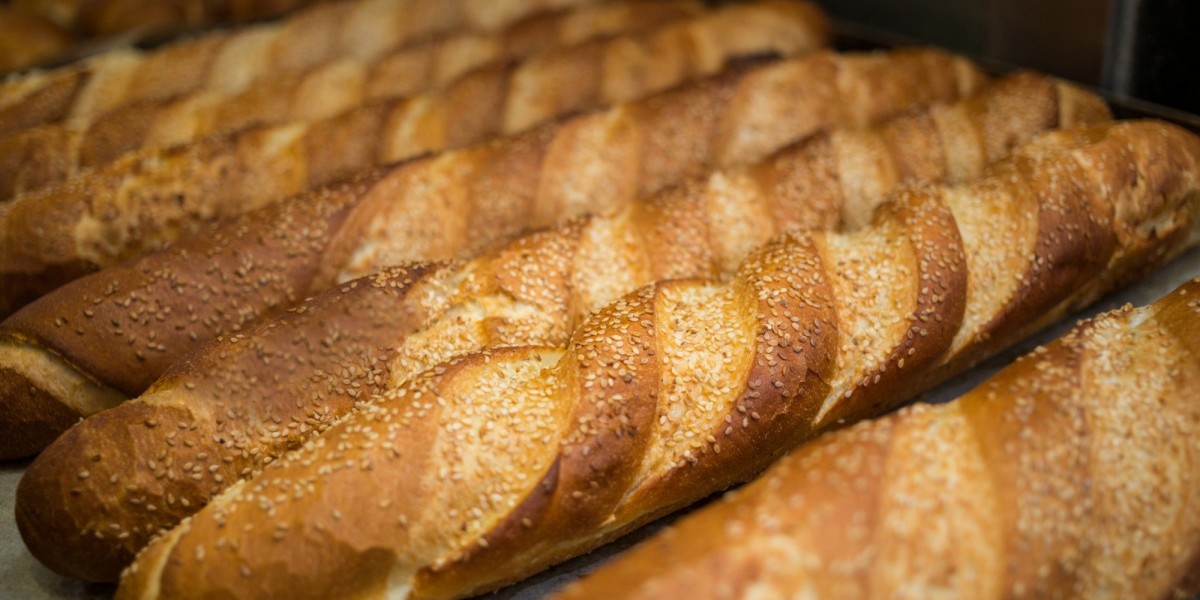

If you enjoy classic French cuisine, you have probably come across the famous French baguette. With its long, slender shape, crisp crust, and soft, airy center, a baguette looks simple but has a distinctive texture and flavor. It is more than just bread on a French menu. The baguette has become an important part of French food culture and is commonly enjoyed with cheese, soups, sandwiches, or a meal.
What Is a French Baguette?
A baguette is a long, thin loaf of French bread made primarily from flour, water, yeast, and salt. Its simple ingredient list is one reason the preparation process matters so much.
Unlike many packaged breads, traditional baguettes are known for their crisp exterior and light, chewy interior. The contrast between the crust and the inside is one of their most recognizable characteristics.
The classic shape also makes baguettes easy to identify. Their long form provides plenty of crust while allowing the inside to remain light and airy.
What Makes a Baguette Different From Regular Bread?
The biggest difference is texture. Many regular sandwich breads are soft from crust to center, while a French baguette is designed to have a firm, crisp crust surrounding a tender interior.
The preparation process also contributes to the difference. Dough is usually fermented before baking, allowing flavor and structure to develop. Bakers then shape the dough into long loaves and make shallow cuts along the top before putting them in the oven.
During baking, steam helps create the baguette's characteristic crust.
Why Does a Baguette Have a Crispy Crust?
The crust is one of the defining features of a French baguette. High heat and steam during baking help produce a deeply browned, crisp exterior.
When you break into a freshly baked baguette, you should hear a light crunch from the crust. Inside, the bread should feel soft and slightly chewy rather than dense.
This combination makes baguettes particularly enjoyable alongside foods with creamy or savory textures.
What Does a French Baguette Taste Like?
A fresh baguette has a mild wheat flavor with a slightly nutty and toasted quality from the crust. Because the ingredients are simple, freshness and baking technique have a major impact on the final taste.
A baguette is not usually meant to overpower the other foods on the table. Instead, it works as a versatile accompaniment.
You can enjoy it with butter, cheese, soup, meat, vegetables, or simply on its own.
How Are French Baguettes Used in French Dining?
Bread plays an important role in French dining, and baguettes can be served in many ways. Slices can accompany a bowl of French onion soup, provide a base for cheese or spreads, or simply be placed on the table alongside a meal.
Baguettes can also be used to make sandwiches. Their crisp exterior and chewy center provide a satisfying texture that works especially well with savory fillings.
At a French restaurant, fresh bread can also help complete the overall dining experience, especially when paired with butter, cheese, or a traditional starter.
Why Is Freshness So Important?
A baguette is at its best when it is fresh. The crisp crust and soft interior can change noticeably as the bread sits.
Freshly baked baguettes have a texture that is difficult to reproduce with bread that has been sitting for several days. This is one reason French bakeries and restaurants place such importance on baking and serving bread at the right time.
If you are buying a baguette, look for a crisp crust and a light interior rather than a loaf that feels heavy or overly soft.
Can You Pair a Baguette With French Food?
Absolutely. A baguette is one of the easiest French foods to pair with other dishes.
It works particularly well with French cheeses, pâté, soups, salads, and savory sauces. A few slices can also provide a pleasant contrast to richer dishes.
For a simple French-inspired experience, pair fresh baguette with cheese and a glass of wine. It is an uncomplicated combination that highlights the flavors and textures of traditional French dining.
Final Thoughts
French baguettes may use only a few basic ingredients, but their distinctive shape, fermentation, baking process, crisp crust, and airy center make them different from ordinary bread.
Whether served alongside a meal, paired with cheese, or enjoyed fresh from the oven, a baguette is an excellent example of how French cuisine can turn simple ingredients into something memorable.
Short Summary
Discover what makes French baguettes different from regular bread, from their long shape and crisp crust to their soft, airy center. Learn how baguettes are made, how they are served, and why freshness matters in French dining.
FAQs
1. What is a French baguette made of?
A traditional baguette is primarily made with flour, water, yeast, and salt. Its texture depends heavily on fermentation, shaping, and baking.
2. Why are French baguettes so crispy?
High-temperature baking and steam help create the baguette's characteristic crisp, browned crust while keeping the inside light and chewy.
3. How is a baguette different from regular bread?
A baguette typically has a much crispier crust and chewier interior than soft sandwich bread. Its long shape and baking method also contribute to its distinctive texture.
4. What do French people eat with baguettes?
Baguettes can be enjoyed with cheese, butter, soups, meats, spreads, salads, and many other French dishes.
5. How should a French baguette be served?
A baguette is best served fresh. It can be sliced and served alongside a meal or paired with butter, cheese, soup, or other savory foods.