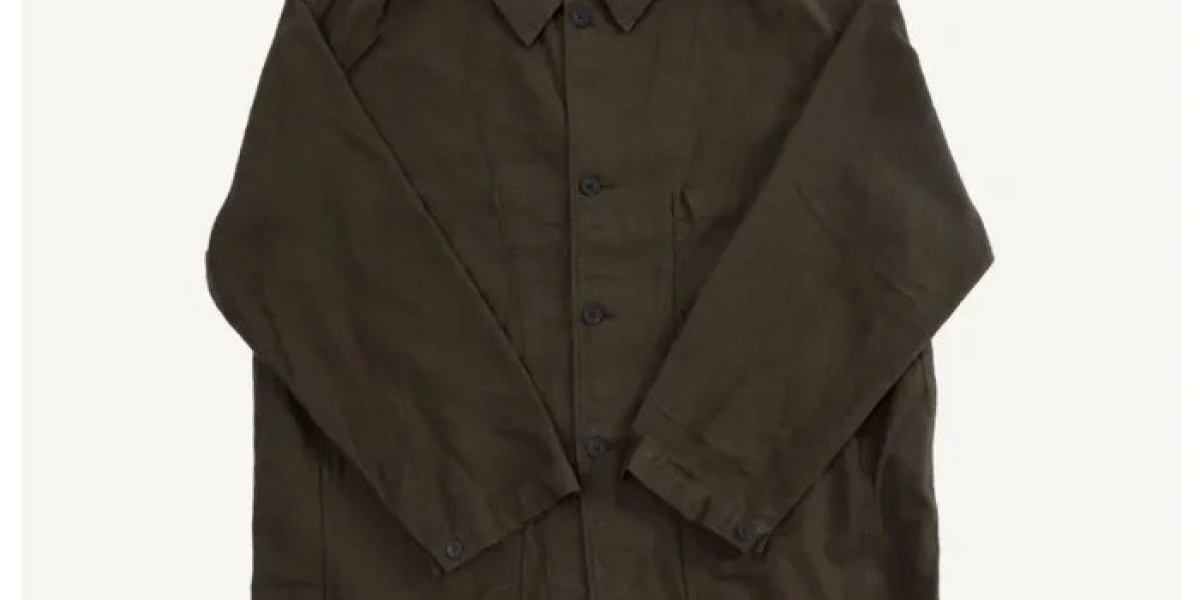

Fashion often moves through short cycles, with new products appearing regularly to keep customers interested. Some labels depend on frequent launches, seasonal changes, and constant updates to maintain attention. orSlow takes a different approach by placing greater weight on the development of individual garments and the materials behind them. Its slower release pattern allows designs to remain relevant beyond a single season and gives pieces such as orSlow Jeans, orSlow Shirts, and an orSlow Jacket a stronger connection to long-term wear.
A Design Process Built Around Continuity
Frequent collections can require brands to create new styles even when existing products still have demand. A slower schedule removes some of that pressure. Instead of replacing familiar designs quickly, attention can remain on refining proportions, fabrics, stitching, and construction. This approach helps maintain recognizable product categories without making every season feel completely different. A familiar trouser shape or shirt style can continue to serve as a foundation while small material or fit changes are introduced when needed.
Fewer Releases Keep Attention on the Garment
When a brand presents hundreds of new pieces every year, individual garments can easily become lost among the larger selection. A smaller release structure creates more room for each product to stand on its own. For shoppers, this can make the process less about chasing the newest item and more about understanding what a particular garment offers. An orSlow Shirts, for example, can be considered for its fabric, cut, and everyday usefulness rather than simply because it belongs to a new seasonal drop.
Fabric Development Takes Time
Clothing made from distinctive fabrics cannot always be developed at the same speed as trend-driven products. Yarn selection, weaving, dyeing, washing, and finishing can all influence the final result. This is especially relevant to orSlow Jeans. Denim can require careful consideration of weight, texture, color, and how the surface may change through repeated wear. A slower product cycle gives greater attention to these material characteristics instead of treating fabric as a secondary part of the design.
The Influence of Vintage Workwear
Much of the visual character associated with orSlow comes from historical workwear, military clothing, and utility garments. These references do not need to be replaced every few months because their appeal is rooted in practical designs that have already proved useful. An orSlow Jacket can draw from an older military or workwear silhouette while being adjusted for modern everyday use. The design does not need a dramatic seasonal change to remain interesting because its appeal comes from construction, proportions, and fabric.
Why Constant Change Is Not Always Necessary
A wardrobe does not need to be rebuilt every season. Many people prefer clothing that can stay useful for years and work with items they already own. A slower collection schedule supports that type of buying behavior. An orSlow Shorts style, for instance, can remain relevant because its usefulness is not tied to a particular fashion moment. The same pair can be worn across different summers, styled with different shirts, and gradually develop a more personal appearance.
More Time for Fit and Construction
Fit is one of the areas where small changes can have a noticeable effect. The rise of trousers, width of a leg, shoulder position, sleeve length, and overall proportions can alter how a garment feels. A brand that does not need to replace its entire product range constantly has more reason to focus on these details. This can make established silhouettes more consistent while allowing individual pieces to maintain a clear relationship with the wider collection.
A Different Relationship With Seasonal Fashion
Seasonal fashion often encourages customers to think in terms of what is new. A slower brand can shift attention toward what remains useful. This does not mean that every piece stays exactly the same forever. It means change can happen with more purpose. The result is a wardrobe where older garments can sit comfortably beside newer ones. An orSlow Hat, for example, does not have to compete with a completely different accessory style each season. Its value can come from how naturally it fits with the rest of the clothing.
Limited Releases Can Strengthen Product Identity
When a small number of styles receive continued attention, certain pieces can become strongly associated with the brand. Customers begin to recognize specific cuts, fabric treatments, and construction details. This creates a product identity based on familiarity rather than constant novelty. A well-known trouser or jacket can remain part of the conversation because people understand what makes it distinctive. The garment gains recognition through repeated exposure instead of aggressive seasonal promotion.
Fewer Collections Can Encourage Thoughtful Buying
A slower release calendar can also change the way customers approach purchases. Instead of asking what has just arrived, shoppers may consider whether a garment fills a genuine gap in their wardrobe. That mindset works particularly well with durable categories such as orSlow Jeans and an orSlow Jacket. These pieces can be considered as long-term wardrobe purchases because their usefulness does not depend entirely on current trends.
The Value of Familiar Designs
Familiarity is often treated as a weakness in fashion, but it can be a strength when the underlying design works well. A useful garment does not suddenly become outdated simply because a new season begins. Repeating successful ideas can also make it easier for customers to understand what they are buying. They can compare different fabrics, colors, or versions of a familiar silhouette without having to learn an entirely new design language each time.
Why the Approach Appeals to Workwear Fans
People who enjoy workwear often pay close attention to construction, fabric weight, stitching, pockets, hardware, and signs of wear. These details can matter more than seasonal novelty. That is where the slower release model fits naturally. Instead of overwhelming the customer with endless variations, it allows attention to remain on the qualities that make workwear enjoyable to wear. Pieces such as an orSlow Shirt or orSlow Shorts can become more appealing as their materials and construction reveal themselves through use.
A Wardrobe That Does Not Depend on Trends
The strongest advantage of a slower collection model may be its ability to keep clothing useful beyond a single fashion period. Simple silhouettes can be combined repeatedly, while textured fabrics provide visual interest without requiring loud designs. This gives orSlow clothing a practical role in a wardrobe built around repeat wear. An orSlow Jacket can work with denim, chinos, shorts, or other casual pieces, while an orSlow Shirt can move between relaxed everyday outfits without looking tied to one particular season.
Final Thoughts
Releasing fewer collections creates space for a different kind of fashion philosophy. Instead of measuring progress through the number of new products, the focus can shift toward fabric, fit, construction, and continued usefulness. For orSlow, this approach supports clothing that is designed to remain relevant while developing character through wear. The slower pace may make each release feel less urgent, but it gives individual garments more room to become lasting parts of a wardrobe rather than short-lived seasonal purchases.