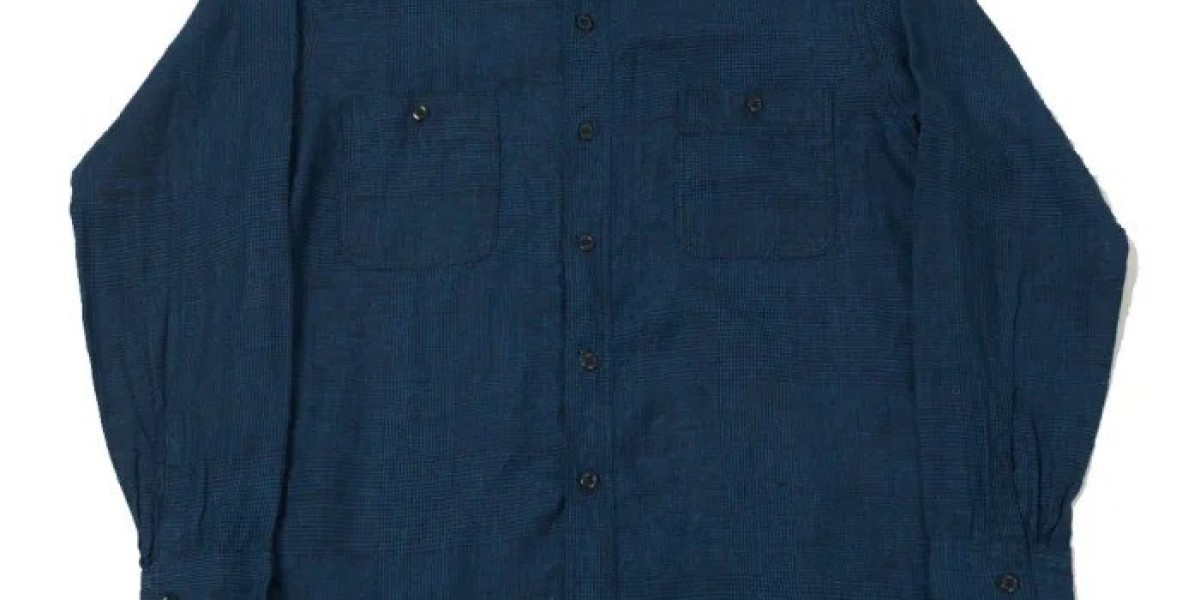

Clothing can change noticeably after washing, and the process is especially meaningful when the fabric is designed to develop character through use. Washing can soften fibers, alter the surface, reduce stiffness, and create subtle differences in color and texture. In orSlow garments, these changes are part of how materials settle into everyday wear, making the washing method an important consideration when caring for pieces such as orSlow Jeans, orSlow Shirts, and an orSlow Jacket.
Why Washing Matters for Workwear Fabrics
Workwear fabrics are often selected for their ability to handle repeated use, but washing still affects their appearance and feel. Water, detergent, agitation, temperature, and drying conditions can all influence the final result. A controlled wash may relax the fabric without dramatically changing its original character. For heavier materials, washing can gradually reduce stiffness and make the garment easier to move in. The effect is different from simply wearing the item because the entire fabric receives treatment at once rather than only the areas exposed to friction.
Washing and the Character of Denim
Denim responds strongly to washing because its color and surface can change as the fabric is repeatedly exposed to water and movement. Depending on the construction and dye, washing may soften the cloth and reduce some of its original rigidity. With orSlow Jeans, the goal for many wearers is to maintain the denim's character while allowing natural changes to develop. Frequent washing can produce a different appearance from infrequent washing, so care routines can influence how quickly the fabric loses depth and how evenly it changes.
Cold Water and Fabric Care
Cold or cool water is commonly preferred when the aim is to reduce unnecessary stress on cotton fabrics. Lower temperatures can help limit excessive shrinkage and reduce the chance of rapid color loss. For an orSlow Shirt, a gentle cold-water wash can help maintain the fabric's original feel while removing normal dirt and perspiration. The exact care method should still follow the garment's care label because different fabrics and finishes can require different treatment.
The Effect of Detergent
Detergent removes oils, dirt, and other residues from clothing, but stronger products are not always necessary for everyday washing. Excessive detergent or harsh cleaning agents can affect dyes and fabric surfaces over repeated cycles. Using an appropriate amount of mild detergent can be a practical choice for cotton workwear. This is useful for items such as orSlow Shirts and orSlow Shorts, which may be washed more frequently than heavy outerwear.
Agitation Changes the Surface
The amount of movement during washing also matters. Strong agitation creates more friction between fibers, which can accelerate changes in texture and color. A gentle cycle places less mechanical stress on the fabric. This distinction can be important for garments with distinctive woven surfaces. An orSlow Jacket may not require the same washing frequency as a shirt or pair of shorts, so reducing unnecessary agitation can help preserve its original structure.
Air Drying and Shape Retention
Drying is another stage that can influence the final condition of clothing. High heat can cause cotton fibers to contract and may increase shrinkage, particularly when a garment has not been pre-shrunk. Air drying allows the fabric to dry more gradually. Hanging or laying a garment according to its construction can also help maintain its intended shape. For heavier pieces, supporting the garment properly while damp can prevent unnecessary stretching.
Washing Frequency Should Match Use
Not every garment needs to be washed after every wear. Washing frequency can depend on sweat, dirt, weather, activity, and how close the fabric sits against the skin. Outerwear usually requires less frequent cleaning than a shirt. Reducing unnecessary washing can help preserve fabric texture and color. This approach can be useful for orSlow Jeans, where repeated cleaning may change the denim more quickly than some wearers prefer.
Different Fabrics React Differently
There is no single washing method that produces the same result across every fabric. Denim, herringbone, chambray, twill, and lightweight cotton can respond differently because their yarns, weave structures, weights, and finishing treatments vary. An orSlow Shirt made from lightweight chambray may require different handling from a pair of heavy denim jeans. Understanding the specific material is more useful than applying one general washing routine to every garment.
What to Avoid During Washing
Some habits can create unnecessary wear. Very hot water, excessive detergent, aggressive agitation, and high dryer temperatures may accelerate fading, shrinkage, or surface changes. For garments intended to develop naturally, gentle handling is usually preferable. This does not mean avoiding washing altogether. Clean clothing still needs proper care; the goal is to remove dirt while limiting avoidable stress on the fabric.
Washing as Part of the Garment's Life
A garment's appearance is shaped by more than its original construction. Wearing, washing, drying, folding, and storage all contribute to how the fabric changes. Over time, these small influences create a version of the garment that reflects how it has been used. This is especially noticeable with workwear-inspired pieces. orSlow Shorts may soften around frequently used areas, while an orSlow Jacket can develop subtle creases and changes at the elbows and cuffs. These differences are natural results of regular ownership.
How to Protect Long-Term Fabric Quality
A sensible care routine does not need to be complicated. Following the care label, choosing an appropriate water temperature, avoiding unnecessary harsh chemicals, and drying clothing carefully can reduce avoidable damage. For valuable everyday pieces, it is also useful to inspect the garment before washing. Small stains can sometimes be treated locally rather than subjecting the entire item to a full wash cycle.
Final Thoughts
Washing techniques can influence how cotton and denim feel, look, and age. Water temperature, detergent, agitation, drying method, and washing frequency all play a role in the long-term condition of a garment. Paying attention to these details can help preserve the qualities that made the clothing appealing in the first place. For anyone wearing orSlow garments, proper washing is less about following a complicated routine and more about understanding the material. Whether caring for orSlow Jeans, orSlow Shirts, an orSlow Jacket, or orSlow Shorts, gentle treatment can help the fabric retain its structure while still allowing the natural character of regular wear to develop.