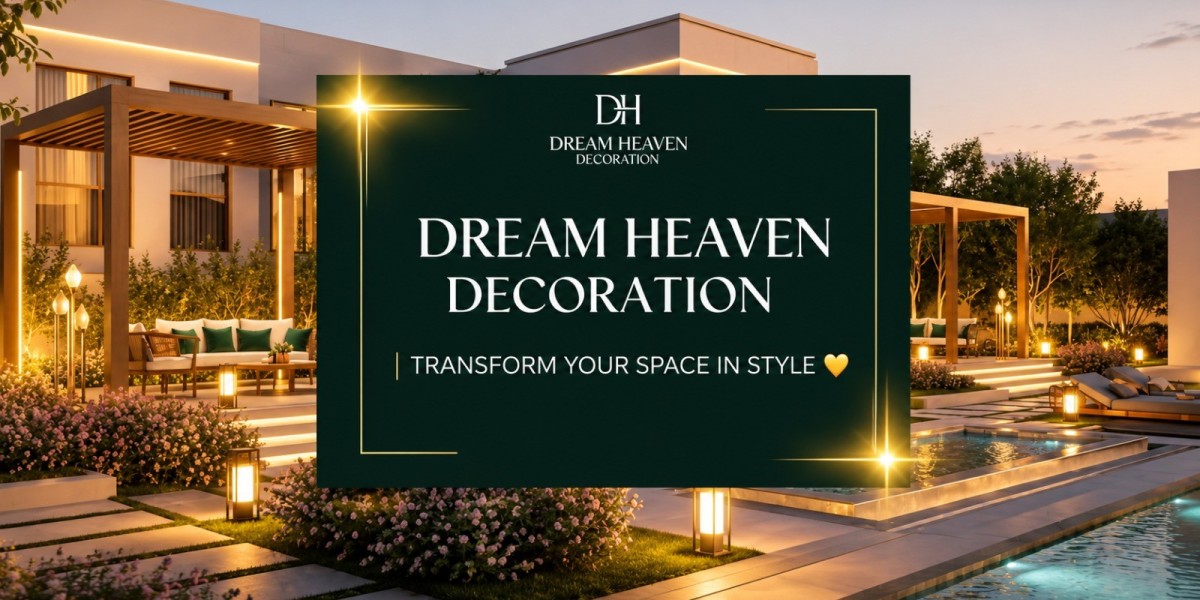

Interior Design is an important part of creating spaces that are comfortable, attractive, practical, and suited to the people who use them. Whether it is a home, apartment, office, restaurant, retail space, hotel, or commercial property, thoughtful interior design can transform an ordinary environment into a welcoming and functional place.
Good interior design is not simply about choosing beautiful furniture or attractive colors. It involves understanding how a space will be used, planning the layout, selecting suitable materials, balancing lighting, coordinating colors, and creating an atmosphere that reflects the personality and needs of the occupants.
A successful interior should look appealing while also making everyday activities easier. Furniture should be positioned thoughtfully, storage should be practical, lighting should support different activities, and materials should be selected according to the purpose of the space.
Modern homeowners and businesses increasingly look for interior solutions that combine style with functionality. This makes professional interior design valuable for anyone who wants to create a space that looks refined while remaining comfortable and practical.
What Is Interior Design?
Interior design is the process of planning and improving indoor spaces by combining aesthetics, functionality, comfort, materials, colors, lighting, furniture, textures, and architectural elements.
An interior designer considers the overall environment rather than focusing on individual decorative items. The objective is to create visual harmony while ensuring that the space works properly for its intended purpose.
Interior design can involve everything from selecting wall colors and flooring to planning furniture arrangements, lighting concepts, storage solutions, decorative features, and customized installations.
The best designs are created by considering the character of the property and the lifestyle or business requirements of its occupants.
Why Interior Design Matters
A well-designed interior can have a strong impact on how people experience a space. A comfortable home can feel more relaxing, while a thoughtfully designed office can support productivity and collaboration.
Interior design can also improve the functionality of a property. Poorly planned spaces may feel crowded, difficult to navigate, or lacking in storage. A carefully planned layout can make better use of available space and create a more organized environment.
Visual appearance is another important factor. Colors, materials, furniture, lighting, and decorative elements can work together to establish a particular mood.
Professional interior design also helps create consistency. Instead of selecting individual items without an overall plan, designers can develop a coordinated concept that connects different areas of the property.
Interior Design for Homes
Home interior design should reflect the lifestyle, preferences, and practical requirements of the people living in the property.
Living rooms often benefit from comfortable seating, appropriate lighting, practical storage, and a balanced arrangement of decorative elements. Bedrooms should create a calm and relaxing atmosphere while providing suitable storage and movement around the furniture.
Kitchens require particular attention because they combine functionality with visual appeal. Cabinets, countertops, lighting, appliances, storage, and movement should be considered together.
Bathrooms can also benefit from thoughtful design. Materials should be suitable for moisture-prone environments, while lighting, storage, fixtures, and finishes should create a comfortable and attractive setting.
Every room should contribute to the overall character of the home while serving its specific purpose.
Interior Design for Apartments
Apartments often require careful space planning because available floor area can be limited. Good interior design can make an apartment feel more spacious, organized, and comfortable.
Furniture selection plays an important role. Oversized furniture can make a room feel crowded, while appropriately scaled pieces can improve movement and create a more open atmosphere.
Storage solutions can also make a major difference. Built-in cabinets, multifunctional furniture, wall-mounted storage, and carefully planned wardrobes can help reduce clutter.
Lighting and color selection are equally important. Lighter tones, reflective surfaces, and layered lighting can help create a brighter and more welcoming environment when used appropriately.
Interior Design for Villas
Villas often provide more space and greater flexibility for interior planning. This allows homeowners to explore different layouts, materials, furniture styles, lighting concepts, and decorative features.
A villa design should create a sense of connection between rooms while allowing each area to have its own identity.
Large living spaces may benefit from carefully planned seating zones, statement lighting, feature walls, artwork, and elegant finishes. Bedrooms can be designed around comfort and privacy, while kitchens can combine practical storage with sophisticated finishes.
Entrance areas also deserve attention because they create the first impression of the home. A well-designed entrance can establish the style and character that continues throughout the property.
Interior Design for Offices
Office interior design should balance professionalism, comfort, productivity, and brand identity.
The layout should support the way employees work. Workstations, meeting areas, reception spaces, private offices, collaboration areas, and storage should be arranged according to practical requirements.
Lighting is especially important in office environments. Natural light should be used effectively where available, while artificial lighting should support comfortable working conditions.
Colors, materials, furniture, and decorative elements can also contribute to the identity of a business. A thoughtfully designed office can create a professional impression for clients while providing employees with a comfortable environment.
Choosing the Right Interior Design Style
There are many interior design styles, and the best choice depends on personal preferences, property characteristics, and practical requirements.
Modern interiors often emphasize clean lines, simple forms, practical layouts, and a balanced selection of materials.
Contemporary interiors may combine current trends with comfortable furniture, refined finishes, and flexible decorative elements.
Minimalist design focuses on simplicity, organization, and the careful use of furniture and decoration.
Traditional interiors may incorporate classic furniture, detailed finishes, rich textures, and timeless decorative features.
Industrial interiors often use materials such as metal, wood, concrete-inspired finishes, and exposed design elements.
A successful design does not necessarily need to follow one style strictly. Different influences can be combined carefully to create a personalized environment.
Importance of Color in Interior Design
Color has a significant influence on the appearance and atmosphere of an interior. Different colors can make a space feel warmer, cooler, brighter, calmer, or more energetic.
Neutral shades are popular because they provide flexibility and can create a sophisticated background for furniture and decorative elements.
Accent colors can be introduced through cushions, artwork, rugs, curtains, furniture, feature walls, and accessories.
The best color scheme should consider natural lighting, room size, furniture, flooring, and the overall design concept.
Using too many unrelated colors can make a space feel visually confusing. A coordinated palette can create harmony and make different areas feel connected.
Lighting and Interior Design
Lighting is one of the most important elements of interior design. Even a beautifully decorated room can feel uncomfortable if the lighting is poorly planned.
Natural light can make interiors feel open and inviting. Window treatments should therefore be selected carefully to control brightness while maintaining privacy.
Artificial lighting can be divided into different functions. General lighting provides overall illumination, task lighting supports activities such as reading or cooking, and accent lighting highlights artwork, architectural features, or decorative elements.
Layered lighting can create flexibility and allow the atmosphere of a room to change according to different activities and times of day.
Furniture Selection
Furniture should be selected according to the size, layout, style, and purpose of the space.
Comfort is important, but furniture should also provide suitable proportions and support the movement of people around the room.
A balanced arrangement can make a room feel organized. Furniture that is too large can overwhelm a space, while pieces that are too small may make a large room feel empty.
Material and finish selection should also complement the wider interior concept. Wood, metal, glass, fabric, leather, and other materials can be combined to create texture and visual interest.
Flooring and Wall Finishes
Flooring and wall finishes provide an important foundation for interior design.
Wood-inspired flooring can create warmth, while stone and tile can provide a refined and durable appearance. Carpets and rugs can add softness and help define different areas.
Walls can be enhanced with paint, wallpaper, decorative panels, textured finishes, artwork, or architectural features.
The choice of finishes should consider appearance, maintenance, durability, moisture exposure, and the purpose of the room.
Storage and Organization
Good interior design should make it easier to keep a property organized.
Storage should be integrated into the design rather than treated as an afterthought. Built-in wardrobes, cabinets, shelving, drawers, and multifunctional furniture can provide practical solutions.
In smaller spaces, efficient storage can make a major difference. Using vertical space, hidden storage, and furniture with multiple functions can help reduce clutter.
An organized interior generally feels more comfortable and visually balanced.
Sustainable Interior Design
Sustainability has become increasingly important in modern interior design. Homeowners and businesses are becoming more interested in materials, furniture, lighting, and finishes that support responsible use of resources.
Durable materials can reduce the need for frequent replacement. Energy-efficient lighting can also contribute to lower energy consumption.
Natural materials and responsibly selected finishes can create attractive interiors while supporting more environmentally conscious choices.
Sustainable design does not have to sacrifice style. With careful planning, attractive interiors can also be practical and environmentally responsible.
Smart Interior Design Solutions
Technology is increasingly becoming part of modern interiors. Smart lighting, automated curtains, climate controls, security systems, and integrated entertainment solutions can improve convenience.
Technology should be incorporated carefully so that it supports the design rather than dominating the visual appearance.
Concealed wiring, integrated controls, and thoughtfully positioned devices can help maintain a clean and sophisticated interior.
Interior Design for Luxury Spaces
Luxury interior design focuses on quality, comfort, detail, and visual sophistication. High-quality materials, customized furniture, statement lighting, decorative features, and carefully selected accessories can create an elegant environment.
Luxury does not necessarily mean excessive decoration. A refined space can feel luxurious through proportion, craftsmanship, material quality, lighting, and attention to detail.
Personalization is also important. Custom furniture, unique artwork, distinctive finishes, and carefully selected accessories can make a luxury interior feel individual rather than generic.
How to Plan an Interior Design Project
A successful interior design project begins with understanding the property and the client's requirements.
The designer should consider the available space, intended use, lifestyle, preferred style, storage requirements, lighting conditions, materials, and budget.
A clear design concept can then be developed to establish the direction of the project. This helps coordinate colors, furniture, finishes, lighting, and decorative elements.
Planning should also consider practical matters such as maintenance, durability, accessibility, and future needs.
Good preparation can reduce unnecessary changes and help create a more consistent final result.
Benefits of Professional Interior Design
Working with a professional interior designer can make the design process more organized and efficient.
Designers can help clients make suitable decisions about layouts, materials, colors, furniture, lighting, storage, and decorative elements.
Professional planning can also help avoid common mistakes, such as selecting furniture that is poorly proportioned, using incompatible colors, overlooking storage, or creating layouts that restrict movement.
A designer can bring together different elements into a cohesive concept while keeping the client's preferences and practical requirements in mind.
Common Interior Design Mistakes to Avoid
One common mistake is focusing too heavily on appearance while ignoring functionality. A beautiful room still needs to be comfortable and practical.
Another mistake is choosing furniture without considering the size of the space. Proper measurements and planning are essential.
Poor lighting can also affect the overall result. A room should ideally have lighting that supports both practical activities and atmosphere.
Ignoring storage can lead to clutter, while using too many decorative elements can make a space feel crowded.
A successful interior balances beauty, comfort, practicality, and personality.
Frequently Asked Questions
What is Interior Design?
Interior Design is the process of planning and improving indoor spaces through layouts, furniture, colors, lighting, materials, textures, finishes, storage, and decorative elements.
Why is Interior Design important?
Interior design can improve the appearance, comfort, functionality, organization, and overall experience of a property.
Can Interior Design be used for small spaces?
Yes. Careful space planning, suitable furniture, smart storage, appropriate colors, and effective lighting can make smaller spaces feel more comfortable and organized.
What Interior Design style is best?
There is no single style that is best for everyone. The right style depends on personal preferences, property characteristics, lifestyle, and functional requirements.
How does lighting affect Interior Design?
Lighting influences the mood, appearance, and functionality of a room. A combination of natural and artificial lighting can create a more comfortable and flexible environment.
Can Interior Design improve property value?
Thoughtful interior design can improve the appearance, functionality, and overall appeal of a property. The effect on value depends on the property, market conditions, quality of work, and preferences of potential buyers.
Is professional Interior Design worth considering?
Professional interior design can be valuable when a project involves complex layouts, multiple rooms, customized solutions, or detailed material and lighting planning.
How important is color selection?
Color plays an important role in creating atmosphere and visual harmony. A carefully coordinated palette can make a space feel more balanced and comfortable.
What should be considered before starting an Interior Design project?
Important considerations include the purpose of the space, preferred style, available area, furniture requirements, storage, lighting, materials, maintenance, and overall budget.
Can Interior Design include smart technology?
Yes. Smart lighting, climate control, automated curtains, security systems, and entertainment solutions can be incorporated into modern interior designs when they support the needs of the occupants.
Conclusion
Interior Design is about creating spaces that combine beauty, comfort, functionality, and personality. Whether the project involves a small apartment, spacious villa, modern office, retail environment, or luxury property, thoughtful planning can transform the way people experience the space.
Successful interior design considers much more than decoration. Layout, furniture, colors, lighting, flooring, wall finishes, storage, materials, technology, and decorative elements all work together to create a cohesive environment.