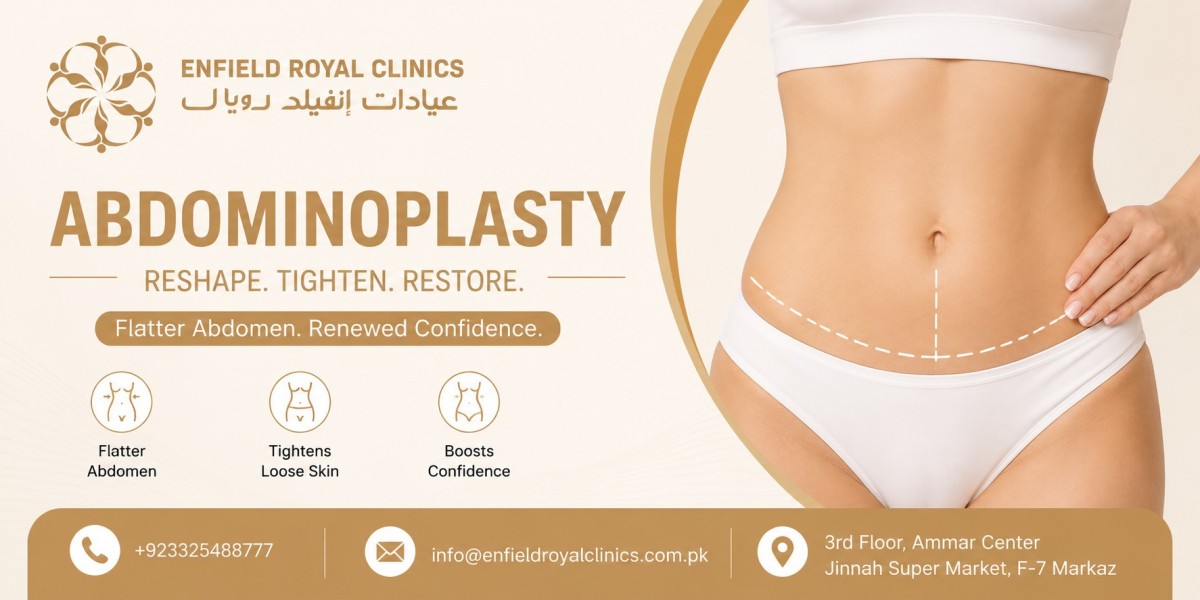

Abdominoplasty, commonly known as a tummy tuck, is a surgical procedure used to remove excess abdominal skin and improve the shape and firmness of the stomach area. It may also involve tightening weakened or separated abdominal muscles. Like any major surgery, Abdominoplasty has potential benefits as well as risks.
For suitable patients, the procedure can generally be performed safely when appropriate surgical planning, qualified medical care, and proper postoperative monitoring are provided. However, no surgical procedure is completely risk-free. Understanding the safety considerations can help patients make informed decisions.
Is Abdominoplasty Generally Safe?
Abdominoplasty is an established surgical procedure, but its safety depends on several factors. The patient's overall health, surgical technique, anesthesia, facility standards, and postoperative care can all influence the outcome.
A qualified plastic surgeon should assess the patient's medical history and physical condition before surgery. This helps identify factors that could increase the risk of complications.
Patients should also provide accurate information about medications, allergies, previous operations, smoking or nicotine use, and existing health concerns during the consultation.
What Are the Common Risks?
Like other surgical procedures, a tummy tuck can involve risks. Possible complications may include infection, bleeding, fluid accumulation, delayed wound healing, changes in skin sensation, scarring, and reactions related to anesthesia.
Some patients may experience temporary numbness or tightness around the abdomen during recovery. These sensations can improve as the tissues heal.
Although many patients recover without major problems, it is important to discuss potential complications with your surgeon before deciding to proceed.
Does Abdominoplasty Involve Anesthesia Risks?
Anesthesia is an important part of surgical safety. The type of anesthesia used depends on the procedure and the patient's individual circumstances.
Before surgery, the anesthesia team reviews relevant medical information to help determine an appropriate approach. Patients should disclose all medications, supplements, allergies, and previous reactions to anesthesia.
Following preoperative instructions carefully can help the medical team prepare for the procedure and reduce avoidable risks.
Who May Be at Higher Risk?
Not everyone has the same level of surgical risk. Certain factors may make complications more likely.
Examples can include uncontrolled medical conditions, significant obesity, smoking or nicotine use, previous abdominal surgery, and certain medications or health problems.
This does not automatically mean that surgery is impossible. A surgeon may recommend medical evaluation, lifestyle changes, or other preparation before considering Abdominoplasty.
Is Abdominoplasty Safe After Weight Loss?
People who have lost significant amounts of weight may consider a tummy tuck to remove excess abdominal skin. However, the patient's weight should ideally be relatively stable before surgery.
If someone is still planning substantial weight loss, postponing surgery may be recommended. Major weight changes after the procedure can affect results and may create additional skin laxity.
A consultation can help determine whether the timing of surgery is appropriate.
Is Abdominoplasty Safe After Pregnancy?
Many people consider a tummy tuck after pregnancy because pregnancy can stretch abdominal skin and muscles.
However, people who are planning another pregnancy may be advised to postpone Abdominoplasty. Future pregnancy can stretch the abdominal tissues again and potentially change the surgical results.
Women considering surgery after childbirth should discuss their family-planning goals with their surgeon.
How Can Patients Improve Surgical Safety?
Good preparation is an important part of safe surgery. Patients should follow all preoperative instructions provided by their surgical team.
This may include completing recommended medical assessments, adjusting certain medications under medical supervision, avoiding nicotine as advised, and arranging appropriate support during recovery.
Patients should never hide relevant medical information simply because they are worried that surgery might be postponed. Honest communication allows the medical team to make safer decisions.
What Happens During Recovery?
Recovery is an important part of Abdominoplasty safety. Patients may experience swelling, bruising, tightness, soreness, and limited mobility during the early stages.
Following activity restrictions can help protect healing tissues. Heavy lifting and strenuous exercise should generally be avoided until the surgeon provides clearance.
Keeping follow-up appointments allows the surgeon to assess healing and identify potential problems early.
What Warning Signs Should Patients Watch For?
Some discomfort, swelling, and bruising are expected after surgery. However, patients should contact their surgical team if they experience symptoms that are severe, suddenly worsening, or significantly different from the expected recovery process.
The surgeon should provide specific postoperative instructions explaining which symptoms require medical attention.
Patients should not rely on online information alone when they are concerned about a postoperative symptom. Direct communication with the surgical team is more appropriate.
Does Surgeon Experience Affect Safety?
The surgeon's qualifications and experience are important considerations when choosing a provider for Abdominoplasty.
Patients should verify that the surgeon is appropriately qualified to perform the procedure and that the surgery will take place in a suitable medical facility with appropriate support.
Cost should not be the only factor when selecting a surgeon. Patient safety, surgical standards, experience, and quality of postoperative care should also be considered.
Can Abdominoplasty Be Combined With Other Procedures?
Some patients may combine a tummy tuck with procedures such as liposuction. Combining treatments can sometimes provide more comprehensive body contouring, but it may also increase surgical complexity.
Whether combining procedures is appropriate depends on the patient's health, anatomy, treatment goals, and the surgeon's assessment.
Patients should discuss the advantages and potential additional risks before agreeing to multiple procedures.
Final Thoughts
So, is Abdominoplasty safe? For appropriately selected patients, tummy tuck surgery can be performed safely when carried out by a qualified surgical team in an appropriate medical setting. However, it remains a major operation with potential complications.
Good patient selection, thorough preparation, appropriate anesthesia, careful surgical technique, and proper postoperative care all contribute to safer outcomes.
If you are considering Abdominoplasty, speak with a qualified plastic surgeon about your medical history, individual risks, expected recovery, and realistic results. A personalized assessment is the best way to determine whether the procedure is suitable for you.
For more information visit Enfield royal clinic in islamabad