
A Better Way to Think About Hydraulic Connections
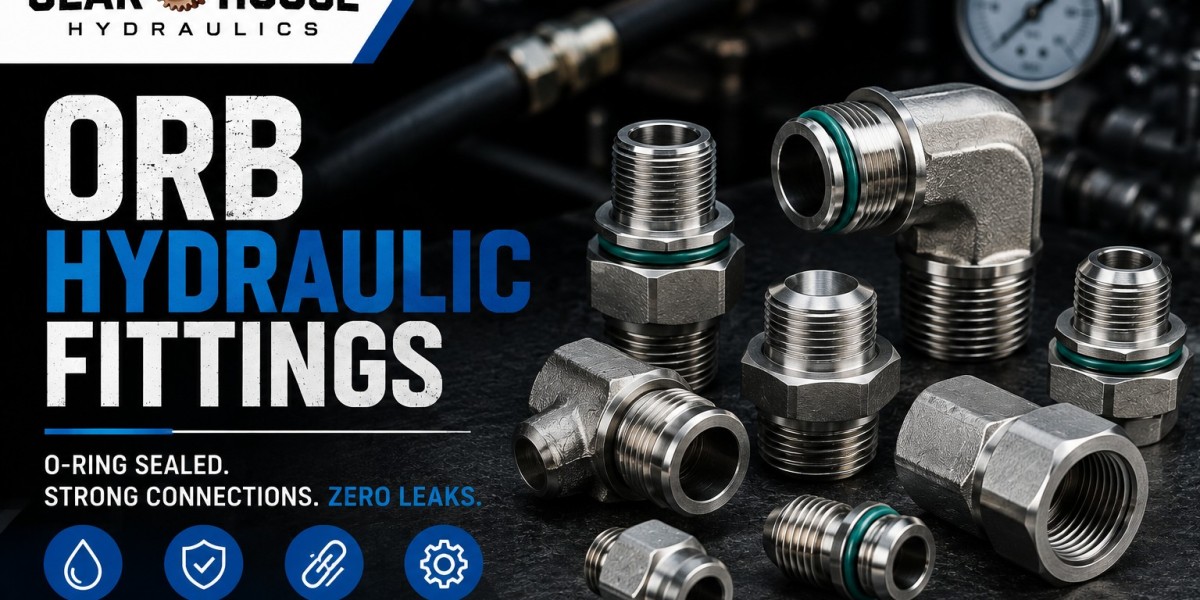
Not every hydraulic fitting seals in the same way. Some connections depend on thread engagement, while others use a dedicated sealing surface. With an ORB connection, the threads primarily help hold the fitting in place, while the O-ring provides the sealing action.
This separation between fastening and sealing is one of the key reasons ORB fittings are commonly used in hydraulic systems.
When the fitting is installed correctly, the O-ring sits in the proper position and creates a seal against the port. The result is a connection designed to support reliable hydraulic performance without depending entirely on the threads to prevent leakage.
Where ORB Hydraulic Fittings Make Sense
ORB hydraulic fittings are often found in equipment where hydraulic fluid needs to move efficiently between different components. They can be used with pumps, valves, cylinders, manifolds, and other hydraulic connections.
They are especially useful when a system requires:
- Reliable fluid sealing
- Strong threaded connections
- Easy connection to hydraulic components
- Different fitting configurations
- Durable performance in demanding equipment
From heavy-duty machinery to industrial hydraulic systems, the right fitting can make installation and maintenance more manageable.
The O-Ring Does More Than People Think
The O-ring may be a small component, but it performs one of the most important jobs in the connection. A damaged, worn, or incorrectly positioned O-ring can affect the sealing performance of the entire fitting.
Before installing ORB fittings, it is important to inspect the O-ring carefully. Look for cuts, cracks, flattening, or other signs of wear. The sealing area should also be clean and free from debris.
Replacing a damaged O-ring before installation is much easier than dealing with a hydraulic leak after the system is operating.
Installation Is Not About Tightening as Much as Possible
One common mistake with hydraulic fittings is assuming that extra force always creates a better seal. With ORB hydraulic fittings, overtightening can create unnecessary stress and may damage the fitting, threads, or sealing components.
The fitting should be installed correctly and tightened according to the requirements of the specific application. Proper alignment is also important. Starting the fitting at the wrong angle can damage the threads and make it difficult to achieve a reliable connection.
A clean port, compatible fitting, good O-ring, and correct installation work together to create the best result.
Choosing the Right ORB Fittings for Your System
Selecting an ORB fitting should start with understanding the connection you need. Check the port size, thread requirements, fitting configuration, and the equipment where it will be installed.
You may need a straight connection in one location and an elbow or adapter in another. The right configuration can make routing easier and help avoid unnecessary stress on hydraulic hoses and components.
Material quality also matters, especially in demanding applications. High-quality ORB fittings are designed to provide robust connections and dependable performance where hydraulic systems operate under challenging conditions.
When a Hydraulic Leak Keeps Coming Back
If the same connection repeatedly develops a leak, replacing the fitting alone may not solve the problem. The real issue could be a damaged O-ring, worn sealing surface, incorrect fitting size, contaminated port, or improper installation.
A better approach is to inspect the complete connection before replacing parts. Check the fitting, threads, port, and O-ring together.
This can help identify the actual cause of the problem and prevent repeated maintenance.
Built for Connections That Need to Perform
Hydraulic systems depend on every component working together. ORB fittings may be small compared with pumps, cylinders, and hoses, but they have a direct impact on the reliability of the system.
The right ORB fittings can help create secure hydraulic connections, support efficient fluid flow, and reduce the risk of problems caused by poor sealing. Whether you are building new equipment, replacing an existing connection, or repairing a hydraulic system, selecting compatible and high-quality ORB hydraulic fittings is an important part of keeping the system running.
A reliable hydraulic connection starts with the right fitting and sometimes, the smallest component is what makes the biggest difference.