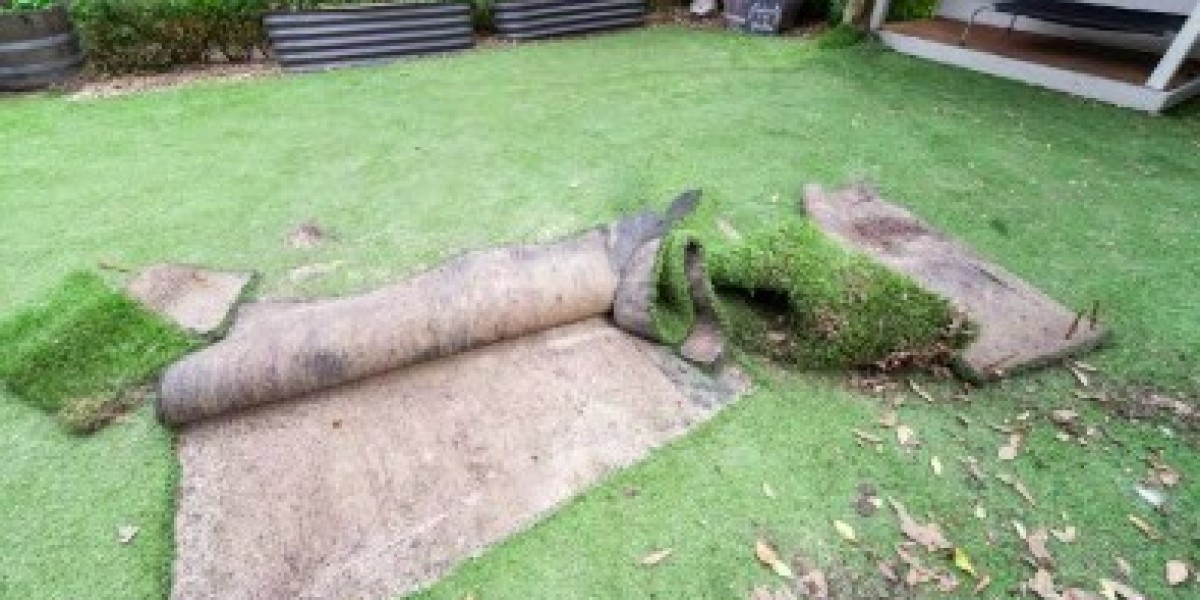

Artificial turf looks great for years, and then one day you notice it's matted down, faded, or starting to peel up at the seams. Replacing it means dealing with the old turf first, and that's where a lot of homeowners run into a surprise: artificial turf is significantly heavier and more awkward to remove than it looks sitting flat in the yard.
Why Artificial Turf Is Heavier Than It Looks
Artificial turf isn't just a thin layer of fake grass. Most systems include a backing material, infill (often sand or crumb rubber mixed into the fibers), and sometimes a weed barrier or base layer underneath. Over time, dirt, moisture, and debris also work their way into the turf, adding even more weight than the material had when it was first installed.
A single roll or section of turf pulled up from a yard can be surprisingly heavy and awkward to fold or roll, especially once it's saturated with dirt and moisture from sitting outdoors for years. This is part of why turf removal often catches people off guard, it looks like it should be simple, but the actual weight and bulk make it a genuinely physical job.
What's Involved in Removing Artificial Turf
The general process for removing old turf looks like this:
- Cutting the turf into manageable sections, since trying to move an entire yard's worth of turf as one piece usually isn't practical.
- Rolling or folding each section, which helps with handling but adds to the weight being lifted at once.
- Removing the infill and backing material, if it's being separated for disposal or recycling purposes.
- Addressing the base layer underneath, which may include gravel, sand, or a weed barrier that also needs to be dealt with depending on what's being installed next.
- Hauling everything away.
DIY Turf Removal
For smaller areas, DIY removal is realistic with a utility knife for cutting sections and enough people to handle the weight of each rolled piece. Larger yards, especially full backyard installations, get considerably more difficult, since the cumulative weight and volume of material adds up fast.
Once removed, turf sections can sometimes be recycled depending on local facilities, since some of the materials involved, like the plastic backing and fibers, have recycling potential, though acceptance varies and it's worth checking with a local recycling center before assuming turf can go into standard recycling.
When Professional Turf Removal Makes Sense
DIY works for smaller sections or a single area being replaced. Professional removal tends to make more sense when:
- You're removing turf from a large yard or full backyard installation
- The turf and base material are heavier than expected due to years of accumulated dirt and moisture
- You're preparing the space for a new installation and want the old material cleared quickly
- You don't have a truck or trailer suited for hauling bulky, heavy rolled material
- You'd rather not spend a weekend cutting, rolling, and hauling turf sections yourself
A professional junk removal team can handle the cutting, rolling, and hauling in a fraction of the time it would take to do it alone, which matters when heavy, awkward material is involved.
What to Expect From a Professional Turf Removal Service
The process generally looks like this:
- You describe the area, including the approximate size of the turf being removed.
- You get a quote, based on the volume and weight involved.
- A pickup or removal day is scheduled.
- The crew handles the cutting, rolling, and hauling, managing the weight safely.
- Materials are sorted for recycling where possible.
- The area is left clear, ready for new landscaping or a new turf installation.
Common Mistakes to Avoid
- Underestimating the weight. Turf that's absorbed years of dirt and moisture is significantly heavier than it appears, and attempting to move large sections alone can lead to injury.
- Not cutting the turf into manageable sections first. Trying to move an entire yard's worth of turf as one piece is rarely practical.
- Assuming all turf materials are recyclable. Recycling options vary by facility, so it's worth checking before assuming old turf can go into standard recycling streams.
- Forgetting about the base layer. Gravel, sand, or weed barrier underneath the turf may also need to be addressed depending on your plans for the space.
How Junk Is Removed Can Help With Artificial Turf Removal in Kent, WA
If old artificial turf has become heavier and more stubborn than expected, Junk Is Removed can help clear it out throughout Kent and the surrounding King County area, including Auburn, Federal Way, Renton, Maple Valley, Black Diamond, Hobart, and Pacific. The team has handled turf removal jobs before, including particularly heavy, dirt-saturated sections that were too much to move alone. For a broader look at handling heavy debris removal, this guide on debris removal services covers the range of materials the team can take on.
Contact Junk Is Removed
Junk Is Removed 21207 125th Ave SE, Kent, WA 98031 Phone: (253) 678-5114
Call or text to get a quote for your artificial turf removal.
Frequently Asked Questions
Why is old artificial turf so much heavier than expected? Years of accumulated dirt, moisture, and infill material add significant weight beyond what the turf weighed when it was first installed.
Can artificial turf be recycled? Some materials in turf, like the plastic backing and fibers, have recycling potential, though acceptance varies by facility, so it's worth checking locally before assuming it's accepted through standard recycling.
Do I need to cut the turf into sections myself before pickup? Not necessarily. A professional removal crew can typically handle the cutting, rolling, and hauling as part of the service.
Can you also remove the base layer underneath the turf? Yes, gravel, sand, or weed barrier material underneath can often be addressed as part of a full turf removal, depending on the scope of the project.
How much does artificial turf removal typically cost? Cost depends on the size of the area and how heavy the material is, so it's best to ask for a quote based on your specific yard.
Is turf removal a common request? Yes, especially for yards being re-landscaped or having turf replaced after years of wear.