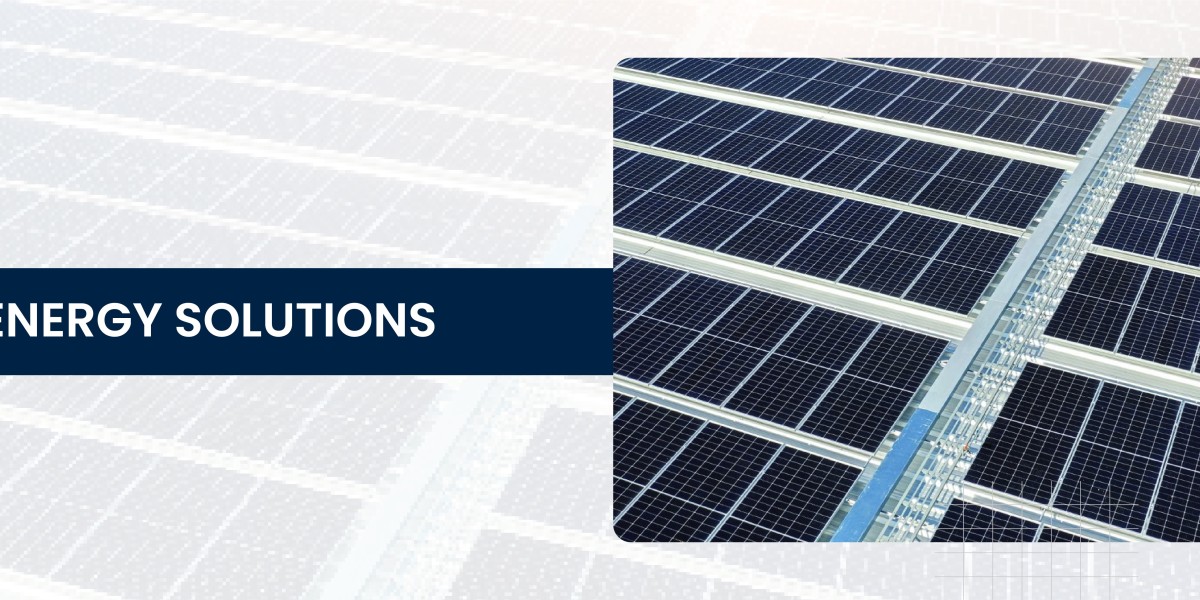

The demand for renewable energy has grown rapidly as homeowners, businesses, and industries search for practical ways to manage their electricity needs. Among the many renewable energy technologies available today, solar power has become one of the most widely discussed options. A solar plate, commonly known as a solar panel, is the main component responsible for capturing sunlight and converting it into electricity.
Modern solar systems can be installed on homes, offices, commercial buildings, farms, and industrial facilities. However, selecting the right equipment requires more than simply purchasing a panel. Understanding how a solar plate works, what types are available, and which factors influence performance can help buyers make more informed decisions.
What Is a Solar Plate?
A solar plate is a device designed to capture energy from sunlight and convert it into usable electricity. The term solar plate is commonly used in many markets to describe a photovoltaic solar panel.
A solar panel contains multiple solar cells. When sunlight reaches these cells, they generate direct current electricity, commonly known as DC electricity.
Since most homes and businesses use alternating current electricity, an inverter is generally used to convert the electricity generated by the panels into usable AC power.
A complete solar system includes several components working together, but the solar plate is the part that begins the electricity generation process.
How Does a Solar Plate Work?
The working process begins when sunlight reaches the photovoltaic cells inside the panel.
The solar cells absorb energy from sunlight and generate an electrical current. This electricity is then transferred through the system to other components.
An inverter converts the generated electricity into a form suitable for many household and commercial electrical systems.
Depending on the type of installation, the generated power may be used immediately, stored in batteries, or managed through a connection with an electricity network.
The amount of electricity produced can depend on sunlight conditions, panel capacity, system design, installation angle, shading, and equipment quality.
Why Solar Plates Are Becoming More Popular
Solar technology has become increasingly popular because it allows users to generate electricity from sunlight, a naturally available resource.
Homeowners may install a solar system to support household electricity requirements. Businesses and industries may use larger installations based on their energy consumption.
Another reason for the growing popularity is the variety of available equipment. Buyers can now choose panels with different capacities, efficiency levels, and technologies.
Modern solar systems can also be designed according to the available installation area.
A small property may require a limited number of panels, while a larger building can support a higher-capacity system.
Different Types of Solar Plates
Different solar technologies are available, and each type has its own characteristics.
Monocrystalline Solar Plates
Monocrystalline solar panels are commonly used in residential and commercial installations.
They are often selected for properties where available installation space is an important consideration.
Their performance, capacity, warranty, and price can vary depending on the manufacturer and product design.
Before selecting a panel, buyers should compare the technical specifications and determine whether the equipment is suitable for their specific system.
Polycrystalline Solar Plates
Polycrystalline panels are another type of solar technology used in many installations.
They can provide a different balance between initial cost and performance.
The right choice depends on factors such as the available installation area, electricity requirements, budget, and expected system performance.
Comparing the complete solar system rather than focusing on only one feature can help buyers make a more practical decision.
Advanced Solar Panel Technologies
Solar manufacturers continue to develop new technologies designed to improve efficiency and durability.
Modern panels may include improved cell designs and other features intended to support better performance.
These features can influence the cost of the equipment, but buyers should evaluate whether the additional features are necessary for their project.
Understanding Solar Plate Capacity
Solar plate capacity is generally measured by the amount of electrical power the panel can produce under specific testing conditions.
Higher-capacity panels can potentially generate more electricity, but the total system output also depends on sunlight exposure and installation conditions.
The number of panels required for a property depends on electricity consumption.
A household with modest energy requirements may need a different system compared with a large home, office, shop, or industrial facility.
Reviewing previous electricity consumption can provide useful information when estimating the appropriate system capacity.
Factors That Affect Solar Plate Performance
Several factors can influence how effectively a solar panel performs.
Sunlight Exposure
Solar panels require sunlight to generate electricity. The amount of available sunlight can influence daily and seasonal energy production.
Panel Orientation
The direction and angle of installation can affect how much sunlight reaches the solar plate.
A properly planned installation considers the location and position of the panels.
Shading
Trees, nearby buildings, walls, and other objects can create shade that reduces sunlight exposure.
Before installation, potential shading should be carefully evaluated.
Temperature and Weather Conditions
Environmental conditions can influence solar system performance.
Modern solar equipment is designed to operate in different environments, but actual performance may vary based on local conditions.
Equipment Quality
The quality of the solar panels and other components can influence the reliability and long-term performance of the complete system.
Choosing the Right Solar Plate for Your Property
Selecting the right solar equipment begins with understanding your electricity requirements.
Reviewing previous utility bills can provide information about average energy consumption.
The available installation area should also be evaluated.
Roof size, structural condition, orientation, and shading can influence the number and type of panels that can be installed.
Future electricity requirements are also important.
If a homeowner plans to add more electrical appliances or a business expects to expand operations, these changes may increase future energy consumption.
Choosing a system with long-term requirements in mind can help avoid unnecessary changes later.
A Solar Plate Is Only One Part of the System
While solar panels are essential, a complete solar installation involves additional equipment.
An inverter is needed to convert the electricity generated by the panels into usable power.
Mounting structures support the panels and keep them securely positioned.
Wiring and electrical protection equipment connect the different components.
Some systems also include batteries for energy storage.
For this reason, buyers should evaluate the complete system instead of focusing only on the solar plate.
Compatible equipment and proper installation are important for overall performance.
Common Mistakes When Buying Solar Plates
One common mistake is selecting panels based only on the lowest price.
Lower-cost equipment may not always provide the best long-term value.
Another mistake is choosing a system without first reviewing actual electricity consumption.
A system that is too small may not meet the property's requirements, while unnecessary capacity can increase the initial investment.
Some buyers also ignore shading and roof conditions.
Even high-quality panels may not perform as expected if the installation location receives limited sunlight.
It is also important to review warranty terms and understand the support available from the supplier or installer.
Maintenance and Long-Term Care
Solar panels generally require relatively simple maintenance, but regular inspections can help maintain system performance.
Dust, dirt, and other materials may collect on the panel surface and reduce the amount of sunlight reaching the solar cells.
The required maintenance approach depends on the installation environment and manufacturer recommendations.
Electrical components should also be inspected according to appropriate maintenance schedules.
Monitoring system performance can help identify significant changes in electricity generation.
The Future of Solar Plate Technology
Solar technology continues to evolve as manufacturers focus on improving performance, durability, and energy generation.
New designs may allow panels to produce more electricity within the same installation area.
Solar systems are also becoming increasingly connected with battery storage and smart energy management technologies.
These developments may allow users to monitor electricity generation and manage consumption more effectively.
As renewable energy technology continues to expand, solar panels are expected to remain an important part of residential, commercial, and industrial energy systems.
Final Summary
A solar plate is the foundation of a solar power system because it captures sunlight and begins the process of generating electricity. However, selecting the right panel requires careful consideration of electricity requirements, installation conditions, equipment quality, and long-term goals.
Different panel technologies and capacities are available, making it important to compare technical specifications rather than selecting equipment based only on price.
Sunlight exposure, shading, orientation, and proper installation can all influence the performance of a solar system.
A successful solar project should also consider the complete system, including the inverter, mounting structure, electrical equipment, and potential energy storage.
By understanding how a solar plate works and carefully evaluating available options, homeowners and businesses can make better decisions about their energy requirements. With proper planning and suitable equipment, solar technology can become a practical part of a long-term renewable energy strategy.