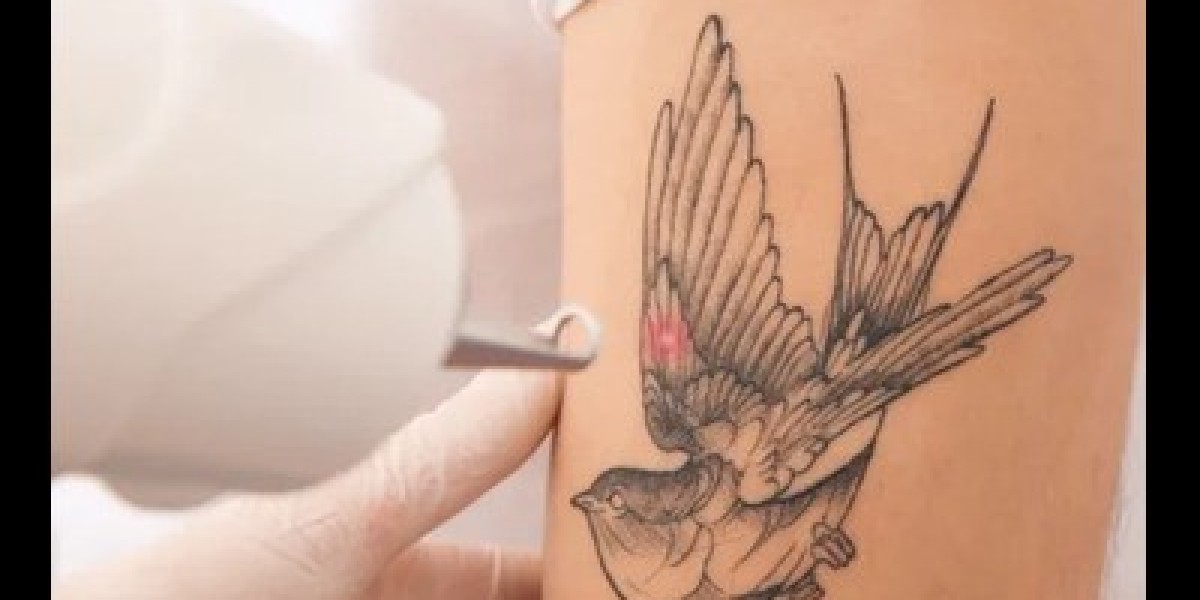

Professional tattoos are often created with high-quality inks, precise equipment, and carefully controlled techniques. While this produces a long-lasting and attractive design, it can also make removal more complex. If you have a professional tattoo you no longer want, modern laser tattoo removal may offer an effective way to significantly fade the ink.
However, professional tattoos can vary greatly in their composition, depth, color, and density. These characteristics influence how the tattoo responds to treatment. Understanding what affects the process can help you develop realistic expectations before beginning.
How Does Laser Tattoo Removal Work on Professional Tattoos?
Professional tattoo ink is deposited into the dermis, where it becomes embedded within the skin. During laser tattoo removal, specialized laser energy targets the tattoo pigment and breaks it into smaller particles.
Once the ink particles are fragmented, the body's natural processes gradually remove them. Because the body needs time to clear the pigment, tattoo removal usually requires multiple sessions rather than one appointment.
The laser does not simply lift the ink from the skin. Instead, it starts a gradual process that continues between treatment sessions.
Are Professional Tattoos Harder to Remove?
Professional tattoos can sometimes be more challenging to remove than lightly applied amateur tattoos because they may contain greater amounts of pigment. Tattoo artists often use equipment that deposits ink consistently and deeply enough to create a durable design.
A densely saturated tattoo therefore has more pigment that needs to be broken down and cleared.
However, this does not mean professional tattoos cannot respond well to treatment. Modern laser tattoo removal technology can target many professional tattoo pigments effectively, although the required number of sessions varies.
Does Tattoo Color Affect the Results?
Ink color is one of the most important factors affecting removal. Different pigments absorb different laser wavelengths, so certain colors may respond more readily than others.
Black ink is often considered more responsive to appropriate laser treatment because it absorbs a broad range of laser energy. Other colors may require different wavelengths or treatment strategies.
Professional tattoos frequently contain several colors, which can make treatment more complex. Your provider may evaluate each pigment individually when developing a treatment plan.
Does Ink Density Matter?
Yes. The amount of pigment used in a professional tattoo can influence the treatment timeline. Heavily saturated areas contain more ink particles and may require more sessions to achieve significant fading.
Lighter shading may respond differently from solid blocks of color. Some sections of a professional tattoo may fade faster than others, resulting in an uneven appearance during the treatment process.
This is normal and does not necessarily mean that treatment is failing.
How Many Sessions Might Be Needed?
There is no standard number of laser tattoo removal sessions for professional tattoos. Some may show substantial fading after several appointments, while others require a longer series of treatments.
Factors that influence the number of sessions include:
Tattoo size
Ink color
Pigment density
Ink depth
Tattoo location
Age of the tattoo
Skin characteristics
Individual healing response
A professional consultation is the best way to receive a personalized estimate.
Why Are Treatment Sessions Spaced Apart?
It can be tempting to schedule appointments as frequently as possible, especially when you want your tattoo gone quickly. However, the skin and body need time between treatments.
After laser tattoo removal, the body gradually clears the fragmented pigment. The skin also needs adequate time to recover from the laser's effects.
Spacing treatments appropriately allows the healing process to continue and gives your provider an opportunity to assess how your tattoo is responding before the next appointment.
Can Older Professional Tattoos Be Easier to Remove?
Tattoo age may influence how the design responds, but it is not the only factor. Older tattoos may have naturally faded because of sun exposure and gradual changes in the skin.
A tattoo that has already lost some pigment may sometimes respond differently from a fresh, heavily saturated design. However, an older professional tattoo can still contain deep or dense ink.
Therefore, age should be considered alongside color, density, depth, and other characteristics.
What Results Can You Expect?
The goal of laser tattoo removal is often significant fading, although complete removal cannot be guaranteed. Some professional tattoos may become extremely faint, while small traces of pigment can remain.
Results also develop gradually. You may notice progressive fading between appointments as the body clears the fragmented ink.
It is important to understand that every tattoo is different. Your provider can discuss the likely outcome based on the specific characteristics of your design.
Does Skin Tone Affect Treatment?
Skin tone can influence the choice of laser settings and treatment approach. Different skin types may respond differently to laser energy, making professional assessment important.
People with darker skin tones may require particularly careful treatment planning because certain laser settings can increase the risk of temporary pigmentation changes.
A qualified provider with experience treating different skin types can select appropriate settings and monitor your skin throughout the process.
How Can You Support Better Results?
Proper aftercare is an important part of the treatment journey. Follow your provider's instructions carefully after each laser tattoo removal session.
Avoid picking or scratching the treated area, and protect your skin from excessive sunlight. Allow the treated skin to heal before exposing it to unnecessary irritation.
Patience is equally important. Trying to rush sessions may not speed up the body's natural pigment-clearing process.
Why Choose an Experienced Provider?
Professional tattoo removal requires more than simply using a laser. The provider must understand tattoo pigments, skin characteristics, laser wavelengths, treatment settings, and recovery.
An experienced professional can evaluate your tattoo and create a customized plan. They can also monitor your progress and adjust future treatments when appropriate.
Avoid relying on unqualified providers or unregulated home treatments, as improper laser use can increase the risk of burns, scarring, and pigmentation changes.
Final Thoughts
Laser tattoo removal can be an effective option for fading unwanted professional tattoos, even when they contain dense or multicolored ink. However, professional tattoos may require several sessions because of their pigment depth and saturation.
Results depend on tattoo color, size, density, age, location, skin characteristics, and individual response. Complete removal cannot always be guaranteed, but significant fading may be possible with an appropriate treatment plan.
A consultation with a qualified professional can help you understand your tattoo's specific characteristics, expected treatment timeline, potential risks, and realistic results.
| For more information visit Enfield royal clinic in islamabad |