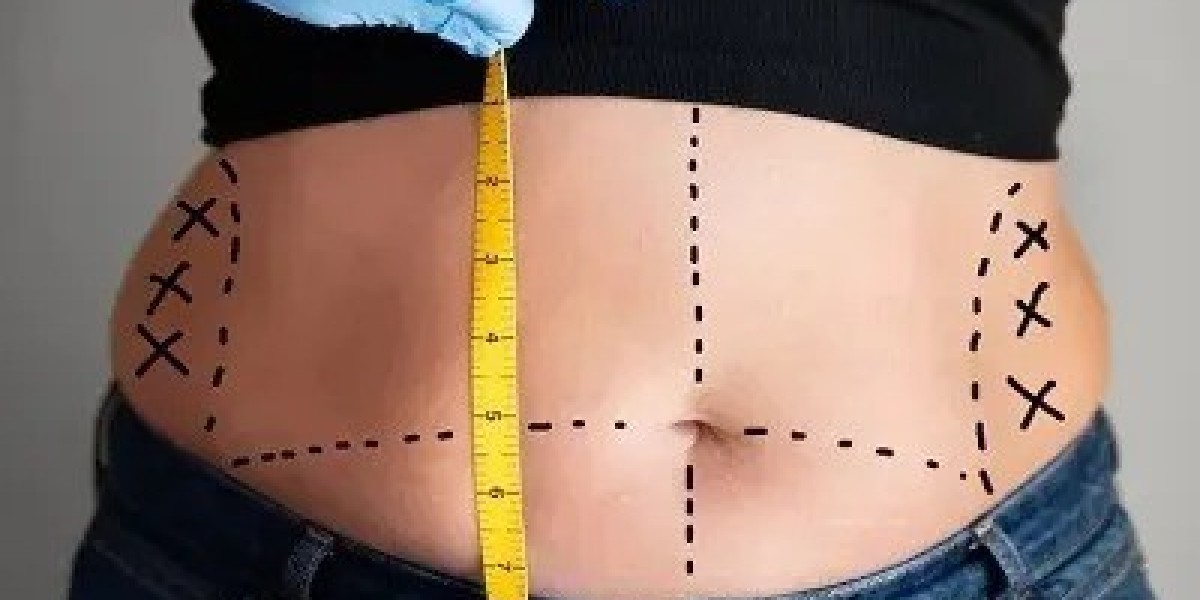

Bariatric Surgery is a specialized medical approach for managing severe obesity. For people who have experienced difficulty losing weight through traditional dieting and exercise, weight-loss surgery can provide additional support when recommended by a qualified medical professional. Bariatric Surgery in Islamabad gives suitable patients the opportunity to explore different surgical options and receive professional guidance throughout their treatment journey.
Obesity can affect physical movement, energy levels, confidence, and everyday activities. It can also be associated with several health problems. For this reason, effective weight management can be important for both physical well-being and quality of life.
Personalized Bariatric Treatment
Every patient has different weight-loss requirements. A procedure that is appropriate for one person may not necessarily be the best choice for another. This is why personalized assessment is an important part of Bariatric Surgery.
During a consultation, the surgeon can review the patient's BMI, weight history, medical background, lifestyle, eating habits, and previous weight-loss attempts. Based on the assessment, different treatment options can be discussed.
Patients considering Bariatric Surgery in Islamabad should take time to understand the recommended procedure before deciding to proceed.
The Importance of BMI Assessment
BMI is commonly used as one of the factors when evaluating obesity and potential eligibility for bariatric treatment. However, BMI is not the only consideration.
A surgeon may also look at obesity-related medical conditions, previous treatments, nutritional health, medications, and overall fitness for surgery. A complete evaluation provides a better understanding of the patient's individual circumstances.
Preparing for Bariatric Surgery
Preparation can begin several weeks before the actual procedure. Patients may be advised to make dietary changes and follow specific instructions provided by their healthcare team.
Medical tests may also be required before surgery. These assessments can help identify potential concerns and ensure that the patient is appropriately prepared.
Patients should provide complete and accurate information about their medical history and medications. Following all preoperative instructions carefully can help make the treatment process more organized.
What Happens After Surgery?
After Bariatric Surgery, the body needs time to adjust. Patients usually begin with a carefully controlled diet and gradually progress toward more solid foods.
Eating smaller portions becomes an important part of daily life. Patients may also be advised to eat slowly, chew food thoroughly, and avoid foods that are not suitable during the recovery stages.
The postoperative plan should always be followed according to the instructions of the treating surgeon and nutrition team.
Importance of Protein and Nutrition
Nutrition is particularly important following Bariatric Surgery. Since patients consume smaller portions, selecting foods with good nutritional value becomes essential.
Protein is often an important component of the postoperative diet. Depending on the surgical procedure and individual requirements, patients may also need specific vitamins and minerals.
Regular nutritional monitoring can help identify deficiencies and ensure that dietary requirements are being addressed appropriately.
Managing Hunger After Bariatric Surgery
One of the goals of many bariatric procedures is to help patients manage food intake and feelings of fullness. Changes to the stomach can allow patients to feel satisfied with smaller meals.
However, patients still need to develop healthy eating behaviors. Bariatric Surgery should be viewed as a tool that supports weight management rather than a replacement for healthy habits.
Physical Activity After Treatment
Physical activity can become an important part of life after Bariatric Surgery. During the early recovery period, patients may be encouraged to move gently and gradually increase their activity.
As recovery continues, an appropriate exercise routine can help improve strength, fitness, and mobility. The type and intensity of exercise should be increased according to the patient's recovery and medical advice.
Regular Medical Monitoring
Regular follow-up is an important part of Bariatric Surgery in Islamabad. Follow-up appointments allow the healthcare team to monitor recovery, nutritional health, weight-loss progress, and general well-being.
Patients can also discuss any difficulties they experience with eating, exercise, or lifestyle changes.
Long-term medical supervision can be particularly useful because bariatric treatment involves ongoing changes rather than a single event.
Benefits of Professional Bariatric Care
Professional bariatric care provides patients with guidance before, during, and after surgery. It can help patients understand the available procedures and the responsibilities involved in maintaining their results.
A comprehensive approach may include surgical treatment, nutritional guidance, lifestyle counseling, physical activity recommendations, and follow-up care.
Enfield Royal Clinic Islamabad
Patients searching for Bariatric Surgery in Islamabad can consult Enfield Royal Clinic Islamabad to discuss their weight-management concerns and available treatment options.
The clinic provides bariatric treatment and focuses on individualized assessment and treatment planning. Patients can discuss procedures such as gastric sleeve and gastric bypass and learn more about preparation, recovery, dietary changes, and follow-up requirements.
A consultation can help patients understand whether Bariatric Surgery is appropriate for their individual situation.
Frequently Asked Questions
Can Bariatric Surgery help with significant weight loss?
Bariatric procedures are designed to support significant weight reduction in appropriately selected patients. Individual results vary and depend on factors including the procedure, starting weight, lifestyle, and adherence to postoperative recommendations.
Is Bariatric Surgery a cosmetic procedure?
Bariatric Surgery is primarily a medical treatment for severe obesity. Its purpose is weight management and, in suitable patients, improvement of obesity-related health concerns.
Will eating habits change after surgery?
Yes. Patients generally need to eat smaller portions and follow a structured nutritional plan after surgery. These changes are an important part of long-term treatment.
Is follow-up necessary?
Yes. Regular follow-up helps the medical team monitor recovery, nutritional status, weight-loss progress, and overall health.
Conclusion
Choosing Bariatric Surgery in Islamabad is an important medical decision that should be made after a complete professional assessment. Gastric sleeve, gastric bypass, and other bariatric procedures may provide effective weight-management support for appropriately selected patients.