
What Is Masonry in Construction?
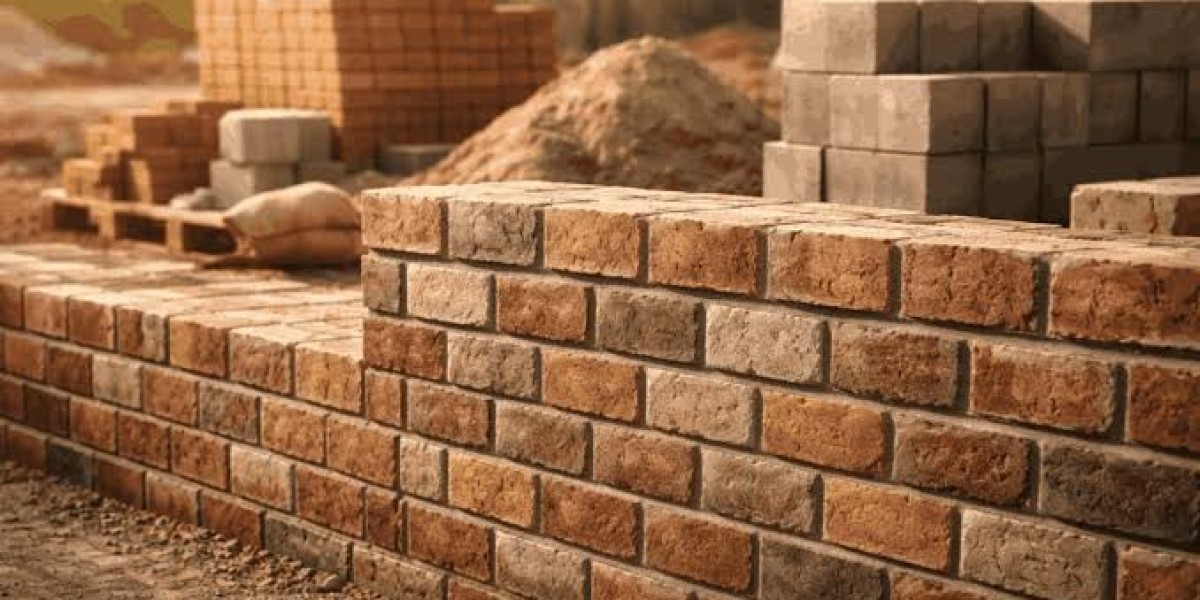
What Is Masonry is an important question for homeowners who want to understand how brick, stone, concrete blocks, and mortar are used to create durable structures. Masonry is a construction method that involves arranging individual units and joining them with mortar or another suitable bonding material. It has been used for centuries and remains popular because it can provide strength, durability, and an attractive appearance. Masonry can be found in exterior walls, chimneys, foundations, patios, walkways, retaining walls, fireplaces, steps, and decorative features. The quality of masonry depends on proper material selection, suitable installation techniques, a stable foundation, effective drainage, and regular maintenance.
Why Is Masonry Important for Residential Properties?
What Is Masonry becomes especially useful for homeowners because masonry can serve both functional and decorative purposes around a property. Brick walls can provide a traditional appearance, while natural stone can create a distinctive and durable exterior feature. Concrete blocks can be used for foundations, retaining walls, and other structural applications. Masonry can also be incorporated into patios, walkways, outdoor kitchens, fireplaces, columns, and landscaping features. When properly installed, masonry can withstand many outdoor conditions and provide long-term value. However, even durable masonry requires inspection and maintenance because moisture, weather, ground movement, and aging can eventually affect mortar joints and masonry surfaces.
What Materials Are Used in Masonry?
What Is Masonry can be better understood by looking at the different materials used in masonry construction. Brick is one of the most recognizable masonry materials and is commonly used for walls, chimneys, facades, fireplaces, and decorative features. Natural stone offers variations in texture, shape, and color and can be used for retaining walls, patios, walkways, and exterior features. Concrete blocks are often selected for structural walls and foundations because they provide consistent dimensions and strength. Mortar is commonly used between masonry units to create joints and connect the individual materials. The appropriate material depends on the project's purpose, design, weather exposure, structural requirements, and existing construction.
What Are the Main Types of Masonry?
What Is Masonry includes several different construction methods, with brick masonry, stone masonry, and concrete block masonry among the most common. Brick masonry uses individual bricks arranged in specific patterns and connected with mortar. Stone masonry uses natural or manufactured stone and can create both structural and decorative walls. Concrete block masonry uses manufactured concrete units that are commonly used for foundations, retaining walls, and structural applications. Some projects combine several masonry materials to achieve a particular appearance or function. Each type requires appropriate preparation and installation methods. The right masonry system depends on the property's conditions, intended use, design requirements, and expected exposure to weather and moisture.
What Is Brick Masonry Used For?
What Is Masonry often refers to brick construction because brick has been used in residential and commercial buildings for generations. Brick masonry can be used for exterior walls, chimneys, fireplaces, columns, garden walls, walkways, and decorative architectural details. Brick offers a classic appearance and is available in different colors, sizes, textures, and patterns. However, the mortar joints between bricks can deteriorate over time due to moisture, weather exposure, temperature changes, and age. When mortar becomes damaged, repointing may be necessary to restore the joints. Properly maintained brick masonry can remain an attractive and functional part of a property for many years.
What Is Stone Masonry and Where Is It Used?
What Is Masonry also includes stone construction, which can use natural stone or manufactured stone products depending on the project. Stone masonry is commonly used for retaining walls, exterior walls, patios, walkways, fireplaces, columns, steps, and landscaping features. Natural stone can provide a unique appearance because individual pieces may vary in color, texture, size, and shape. Proper support and drainage are important because poorly installed stonework can shift, settle, or allow water to collect in vulnerable areas. Stone masonry should be designed according to the intended application and surrounding conditions. Professional installation can help ensure that the finished structure is stable, functional, and visually appealing.
Why Is Mortar Important in Masonry Construction?
What Is Masonry cannot be fully explained without understanding the role of mortar. Mortar is commonly placed between bricks, stones, and concrete blocks to connect masonry units and create stable joints. The mortar used for a project should be compatible with the surrounding masonry and appropriate for the conditions in which the structure exists. Over time, mortar joints may become cracked, loose, recessed, or crumbly because of moisture, weather exposure, and natural aging. Damaged mortar can allow water to penetrate deeper into the masonry system. Proper repointing can restore deteriorated joints, improve the appearance of the wall, and help protect the masonry from continued moisture exposure.
What Are the Benefits of Masonry Construction?
What Is Masonry is also important because masonry construction can provide several practical and aesthetic benefits. Brick, stone, and concrete masonry can create durable structures that withstand everyday outdoor exposure when properly designed and installed. Masonry can also provide fire resistance in suitable applications and can contribute to the overall appearance and character of a property. Homeowners have many design options because masonry materials come in different colors, textures, shapes, and patterns. Proper masonry can be used to create both structural features and decorative improvements. The actual performance depends on the quality of materials, installation, foundation conditions, drainage, weather exposure, and ongoing maintenance.
Can Masonry Improve a Home's Curb Appeal?
What Is Masonry is not limited to structural construction because masonry can significantly improve the visual appearance of a property. A brick walkway can create a welcoming entrance, while a stone retaining wall can add character to a landscaped yard. Masonry patios, outdoor fireplaces, columns, steps, and decorative walls can also make exterior areas more attractive and functional. Homeowners can select materials and patterns that complement the existing architecture of the property. Even older masonry can sometimes be improved through cleaning, repointing, restoration, or replacement of damaged units. Good design and proper maintenance can help masonry features remain attractive while serving their intended purpose.
What Is Masonry Repair and Why Is It Necessary?
What Is Masonry repair involves restoring brick, stone, concrete block, mortar joints, or other masonry components that have become damaged or deteriorated. Common masonry problems include cracked bricks, loose stones, deteriorated mortar, water damage, crumbling surfaces, and sections that have shifted over time. Effective repair should identify the cause of the damage instead of simply covering the visible defect. For example, if water is entering through damaged flashing or poor drainage, repairing a mortar joint alone may not stop the problem. Depending on the condition, repairs may involve repointing, replacing individual masonry units, rebuilding sections, correcting drainage, or addressing another underlying issue.
How Does Weather Affect Masonry?
What Is Masonry maintenance becomes particularly important because outdoor masonry is exposed to rain, snow, freezing temperatures, sunlight, wind, and repeated seasonal changes. Moisture can enter cracks and deteriorated mortar joints and may become trapped within porous masonry materials. During freezing conditions, trapped water can expand and place stress on surrounding materials. Repeated cycles of wetting, freezing, thawing, and drying can gradually contribute to cracking and deterioration. Proper drainage can help reduce unnecessary moisture exposure, while regular inspections can identify damage at an earlier stage. Addressing deteriorated joints and damaged masonry promptly can help protect the structure from more extensive weather-related deterioration.
What Is Masonry Maintenance?
What Is Masonry maintenance refers to the regular inspection, cleaning, protection, and repair of masonry structures and surfaces. Homeowners should periodically look for cracked bricks, open mortar joints, loose stones, staining, water penetration, surface deterioration, and other visible changes. Gutters and downspouts should remain clear so water is directed away from masonry walls and foundations. Cleaning methods should also be appropriate for the material because overly aggressive techniques can damage brick, stone, or mortar. Small problems should be evaluated before they develop into larger defects. Regular maintenance can help preserve the appearance and functionality of masonry while potentially reducing the need for extensive repairs.
Where Is Masonry Commonly Used Around a Home?
What Is Masonry can be seen in many different parts of residential properties. Masonry may be used for exterior walls, chimneys, fireplaces, foundations, retaining walls, patios, walkways, steps, driveways, columns, outdoor kitchens, and decorative landscaping features. Some masonry applications are primarily structural, while others are designed to improve appearance or create usable outdoor spaces. Different applications require different materials and construction techniques. For example, a chimney is exposed to moisture and temperature changes in a different way than a garden wall. Understanding the purpose of the structure helps determine which materials, mortar, drainage methods, and installation techniques should be used.
Why Should You Hire a Professional Masonry Contractor?
What Is Masonry may look simple when viewed as individual bricks, stones, or blocks, but quality masonry requires knowledge of materials, mortar, drainage, structural support, grading, and installation techniques. Professional masonry work involves more than simply placing units together. Contractors need to understand how different materials interact and how weather, moisture, soil movement, and structural loads can affect the finished work. Professional evaluation is particularly important when repairing cracked walls, deteriorated chimneys, leaning structures, or widespread mortar damage. Proper workmanship can help ensure that repairs address the underlying problem rather than providing only a temporary cosmetic improvement.
How Can Promaster Maintenance Corp Paving and Masonry Help With Masonry Projects?
What Is Masonry ultimately involves understanding how brick, stone, concrete blocks, mortar, and related materials can be combined to create durable and attractive structures. From walls and chimneys to patios, walkways, retaining walls, fireplaces, and decorative features, masonry can provide important functional and visual benefits to a property. Proper installation, drainage, inspection, and maintenance can help protect these structures from weather and moisture-related deterioration. Promaster Maintenance Corp Paving and Masonry is committed to providing dependable paving and masonry workmanship for property owners who need quality exterior improvements and repairs. With suitable materials, careful planning, professional installation, and timely maintenance, masonry features can remain strong, attractive, and useful for many years