
Healthcare has changed greatly with the development of modern medical tools. Today, doctors, nurses, surgeons, and other healthcare workers use different devices to check patients, find health problems, provide treatment, and manage emergencies. Biomedical devices have become an important part of this process because they help medical teams work with greater accuracy and speed.
The importance of these devices can be seen in almost every part of healthcare. From patient monitoring systems and diagnostic tools to infusion pumps and respiratory equipment, each device has a specific role. Good-quality biomedical equipment can support better patient care, reduce delays, and help healthcare professionals make informed decisions. As medical needs continue to grow, biomedical technology is also creating new ways to improve healthcare services.
What Are Biomedical Devices?
Biomedical devices are medical tools and systems used to support the diagnosis, monitoring, treatment, and care of patients. They include both simple instruments and advanced electronic systems. Some devices are used for a short procedure, while others may monitor a patient for many hours or even days.
These devices are designed to support healthcare professionals rather than replace them. They provide useful information and help medical staff perform different tasks. Their proper use can make healthcare services more organized and effective.
Importance in Patient Care
One of the main reasons biomedical devices are important is their role in patient care. Medical professionals need accurate information about a patient's condition before deciding on treatment. Devices can provide information about vital signs and other body functions, helping doctors and nurses understand changes in a patient's health.
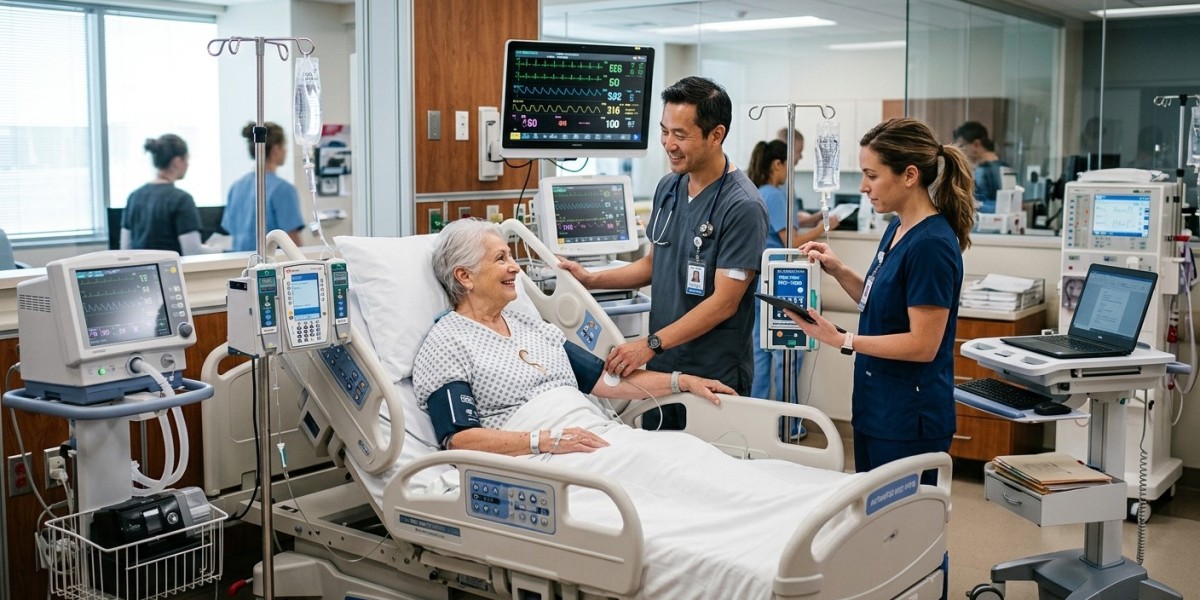
For example, patient monitors can display heart rate, blood pressure, oxygen levels, and temperature. This information can help healthcare workers notice changes quickly. In critical care areas, fast access to this information can be especially important.
Reliable biomedical equipment also helps healthcare facilities provide consistent care. When devices work properly, medical teams can focus more on the patient and less on technical problems.
Supporting Early Diagnosis
Early diagnosis can make a major difference in healthcare. When a health problem is identified at an early stage, doctors may have more options for treatment and management. Biomedical devices support this process by helping healthcare professionals perform tests and collect useful information.
Diagnostic systems can be used to examine different parts of the body and detect signs of disease or injury. Laboratory equipment can also help analyze blood, tissue, and other samples. The results from these devices give doctors information that can support clinical decisions.
Modern biomedical technology is also helping improve the speed and accuracy of some diagnostic processes. Digital systems can process information quickly and make it easier for healthcare workers to review results.
Improving Emergency Care
Emergency situations require quick action. In these cases, medical teams need reliable tools that can help them assess and treat patients without unnecessary delay. Biomedical devices are widely used in emergency rooms, ambulances, intensive care units, and other critical areas.
Defibrillators, patient monitors, infusion systems, and respiratory devices can all play an important role in emergency care. These tools help medical professionals manage serious situations and provide the required support to patients.
The value of biomedical equipment becomes especially clear when every second matters. Properly maintained devices can help medical teams respond quickly and provide appropriate care.
Supporting Surgical Procedures
Surgery requires careful planning, skilled professionals, and suitable medical tools. Biomedical devices and surgical equipment help doctors and surgeons perform procedures in a controlled environment.
Monitoring systems can track a patient's vital signs during surgery, while other equipment supports specific surgical tasks. Electrosurgical devices, surgical lights, operating tables, and related systems can improve the working environment for medical teams.
The quality of equipment matters greatly during surgery. Devices should be reliable, easy to operate, and properly maintained. This helps create a safer environment for both patients and healthcare professionals.
Better Medication Management
Correct medication delivery is another important area where medical devices provide support. Infusion pumps and syringe pumps can help deliver medicines and fluids at controlled rates. This can be useful when patients need specific amounts of medication over a set period.
Manual medication management can sometimes be difficult, especially when a patient needs continuous treatment. Modern devices can help healthcare workers control the delivery process more accurately.
However, technology does not remove the need for trained professionals. Medical staff still need to select the correct medicine, check the settings, and monitor the patient throughout treatment.
Supporting Respiratory Care
Breathing problems can affect patients of different ages and may require immediate medical attention. Respiratory devices help healthcare workers provide support to patients who have difficulty breathing.
Oxygen systems, ventilators, and other respiratory equipment are used in hospitals and critical care settings. These devices can help provide oxygen or breathing support when a patient's normal breathing is not enough.
The development of biomedical technology has helped improve respiratory care by supporting more accurate control and monitoring. Better device design can make treatment easier to manage while giving healthcare workers useful information about the patient's condition.
Improving Healthcare Efficiency
Healthcare facilities manage many patients, tests, treatments, and records every day. Efficient equipment can help medical teams complete tasks more smoothly. Digital biomedical systems can also make it easier to collect, display, and manage patient information.
When equipment is reliable and easy to use, healthcare workers can spend more time caring for patients. This can reduce unnecessary delays and help hospitals manage their resources more effectively.
Modern systems may also connect with other hospital technologies. This allows information to move between devices and departments, creating a more organized healthcare environment.
Role of Biomedical Technology
Biomedical technology is changing the way medical devices are designed and used. New systems can combine hardware, software, sensors, and digital data to provide better healthcare support.
Remote monitoring is one example. Connected devices can collect health information and send it to healthcare professionals. This can allow some patients to receive monitoring without staying in a hospital for long periods.
Artificial intelligence and data-based tools are also becoming part of modern healthcare. These technologies can help process large amounts of information and may support doctors in identifying patterns or making decisions. Human expertise remains essential, but technology can provide additional support.
Importance of Quality and Maintenance
The benefits of biomedical devices depend on their quality and proper maintenance. A device that is not working correctly may provide incorrect information or fail when it is needed. For this reason, healthcare facilities need regular testing, cleaning, inspection, and repair procedures.
Staff training is equally important. Healthcare professionals should understand how to operate equipment correctly and know what to do when a problem occurs. Proper training can reduce mistakes and improve patient safety.
Manufacturers also have a responsibility to produce reliable devices and provide clear instructions and technical support. A strong focus on quality can help healthcare organizations use their equipment safely for a longer period.
Future of Biomedical Devices
The future of healthcare will continue to be shaped by advances in biomedical technology. Devices are becoming smaller, smarter, more connected, and easier to use. Wearable health devices, remote monitoring systems, smart sensors, and digital diagnostic tools are likely to become more common.
Portable devices may also help provide healthcare in remote locations and homes. This can improve access to basic monitoring and medical support for people who may not always be close to a hospital.
At the same time, healthcare providers will need to focus on data security, proper training, device safety, and responsible use. New technology is useful only when it is safe, reliable, and suitable for real healthcare needs.
Conclusion
Biomedical devices are essential to modern healthcare because they support diagnosis, monitoring, treatment, emergency care, surgery, and patient management. Reliable biomedical equipment helps medical professionals collect useful information and provide better care.
As biomedical technology continues to advance, medical devices will become more connected and capable. However, technology alone cannot improve healthcare. Quality products, skilled professionals, regular maintenance, and responsible use are equally important. When these elements work together, biomedical devices can make healthcare safer, faster, and more effective for both patients and medical professionals.
More info: Amg Medical