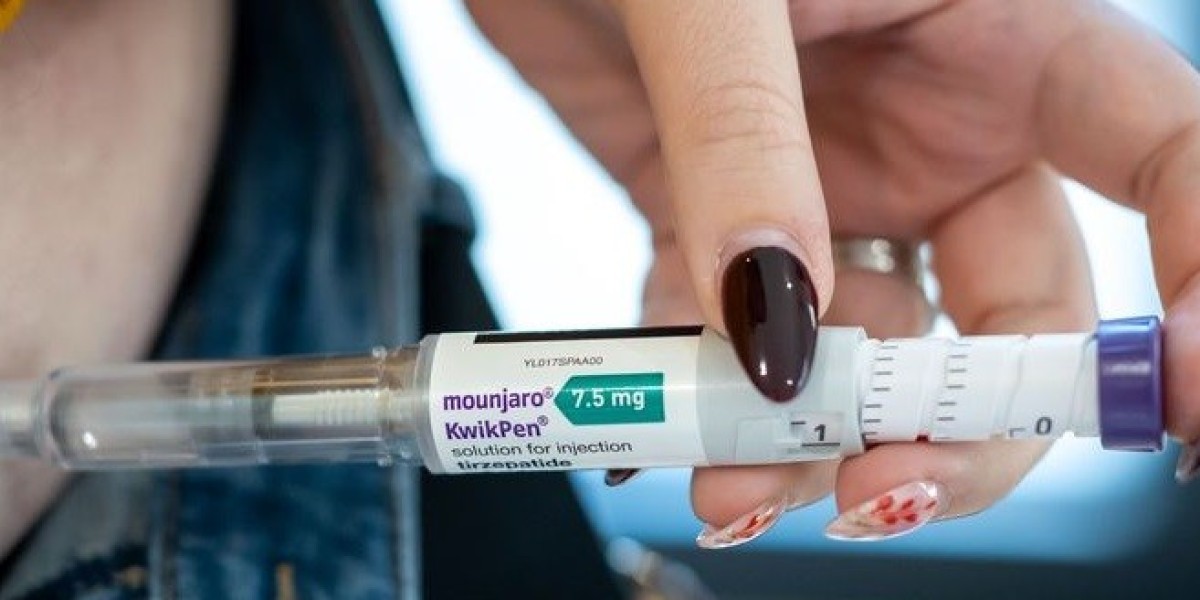

Preparing properly before starting a weight-management treatment can help you understand what to expect and make your treatment experience more comfortable. Mounjaro injection in Islamabad is a prescription treatment containing tirzepatide that is used for specific medical conditions and may support weight management when prescribed by a qualified healthcare professional. Before beginning treatment, it is important to have a medical assessment, discuss your health history, understand how the medication is used, and follow your provider's instructions carefully.
Whether you are considering Mounjaro for weight management or have already been prescribed it, knowing how to prepare can help you approach your treatment with realistic expectations. Here is what you should know before your first Mounjaro injection.
What Is Mounjaro Injection?
Mounjaro contains tirzepatide, a medication that works on two hormone receptors called GIP and GLP-1. These hormones are involved in appetite regulation, blood sugar control, and digestion.
The medication is administered as a subcutaneous injection, meaning it is injected beneath the skin. Depending on your medical needs, your healthcare provider may gradually adjust your dose rather than starting with a higher dose immediately.
Mounjaro should only be used according to a qualified healthcare professional's prescription and instructions. Your provider can determine whether this treatment is appropriate based on your health, medications, medical history, and treatment goals.
Schedule a Medical Consultation First
One of the most important steps before starting Mounjaro is having a consultation with a qualified healthcare professional. Do not begin treatment simply because someone else has experienced good results with the medication.
During your consultation, your provider may assess your:
- Current weight and overall health
- Medical history
- Existing health conditions
- Current medications and supplements
- Previous weight-management attempts
- Eating and lifestyle habits
- Treatment expectations
Your provider may also determine whether additional tests or evaluations are appropriate before treatment.
This consultation gives you an opportunity to ask questions and understand whether Mounjaro is suitable for your individual circumstances.
Share Your Complete Medical History
Before receiving Mounjaro, tell your healthcare provider about any existing or previous health problems. Providing accurate information allows the provider to make safer treatment decisions.
You should discuss any relevant medical conditions, previous medication reactions, allergies, and ongoing treatments. Also tell your provider about prescription medications, over-the-counter medicines, vitamins, and supplements you currently take.
Certain medical histories may require additional consideration before using tirzepatide. Never hide information because you are concerned that it could prevent you from receiving treatment. Your provider needs a complete picture of your health to recommend an appropriate plan.
Discuss Your Current Medications
Medication interactions and overlapping treatments should be considered before beginning Mounjaro.
Make a complete list of everything you currently take and share it during your consultation. This includes medications prescribed by different doctors as well as supplements or herbal products.
If you are using medication for diabetes or another condition, your healthcare provider may need to consider how your treatments work together. Do not stop or change any prescribed medication without professional guidance.
Understand Your Prescribed Mounjaro Dose
Mounjaro treatment may involve gradual dose adjustments. Your healthcare provider will determine the appropriate starting dose and explain whether and when the dose may change.
It is important not to increase the dose yourself if you feel that the medication is not producing results quickly enough. Weight changes can vary between individuals, and increasing the dose without medical supervision may increase the risk of side effects.
Before your first injection, make sure you understand:
- The prescribed dose
- How frequently the injection should be taken
- Where it should be administered
- How to store the medication
- What to do if you miss a dose
- When to contact your healthcare provider
If anything is unclear, ask your provider before starting.
Follow Your Provider's Injection Instructions
Mounjaro is administered under the skin rather than into a vein or muscle. If you are going to administer the medication yourself, your healthcare professional should explain the correct technique.
Common injection areas may include the abdomen, thigh, or upper arm, depending on the product instructions and your healthcare provider's advice.
Use the medication exactly as directed. Do not share injection devices with another person, even if the needle has been changed.
If you are receiving your first dose at a clinic, the healthcare team can guide you through the process and answer questions about future doses.
Eat Sensibly Before Treatment
There is generally no need to follow an extreme diet before starting Mounjaro. Instead, focus on establishing balanced eating habits that you can maintain throughout treatment.
Consider choosing meals containing nutritious sources of protein, vegetables, whole grains, and other nutrient-dense foods. Avoid making drastic dietary changes immediately before treatment unless your healthcare provider recommends them.
Because Mounjaro may affect appetite and digestion, it can be useful to begin paying attention to portion sizes and eating patterns before treatment starts. This can make it easier to adapt to changes in appetite later.
Stay Adequately Hydrated
Maintaining adequate fluid intake is an important part of a healthy weight-management routine. Some people may experience gastrointestinal effects such as nausea, vomiting, or diarrhea while using tirzepatide.
Drinking enough fluids can help support general hydration, particularly if you experience fluid loss. Your individual fluid requirements can vary depending on your health, activity level, climate, and medical circumstances.
If you have a medical condition that requires you to restrict fluids, follow your healthcare provider's recommendations instead of increasing your fluid intake independently.
Prepare for Possible Digestive Changes
Some people experience digestive symptoms after starting tirzepatide, particularly as the body adjusts to treatment. Possible effects can include nausea, diarrhea, constipation, decreased appetite, abdominal discomfort, or vomiting.
This does not mean that everyone will experience these effects, and their severity can vary.
Before treatment, ask your healthcare provider what symptoms you should expect and which symptoms require medical attention. Being prepared can help you respond appropriately instead of becoming unnecessarily concerned about normal treatment-related changes.
Plan Your Meals Around Your Appetite
Mounjaro can influence appetite and food intake. If your appetite decreases, it becomes especially important to focus on the nutritional quality of the food you consume.
Rather than relying heavily on large meals, you may find it easier to eat smaller portions if your healthcare provider recommends this approach. Eat slowly and pay attention to signs of fullness.
Your healthcare provider or a registered dietitian can provide individualized nutritional advice if needed.
Maintain a Healthy Lifestyle
Mounjaro should not be viewed as a substitute for healthy lifestyle habits. Your overall treatment plan may include nutritional improvements, physical activity, sleep, and behavioral changes.
Before starting treatment, establish realistic habits that you can maintain long term. Depending on your health and fitness level, this may include regular walking, resistance exercises, or other forms of physical activity.
If you have not exercised regularly, speak with your healthcare provider before beginning an intensive workout program.
Know the Potential Side Effects
Understanding possible side effects is an important part of preparing for treatment.
Commonly reported effects associated with tirzepatide can include gastrointestinal symptoms such as nausea, diarrhea, decreased appetite, vomiting, constipation, and abdominal discomfort.
However, not every person experiences the same effects.
Your healthcare provider should explain the potential risks associated with the medication and tell you when medical advice is necessary. Seek prompt medical attention for severe or unusual symptoms rather than attempting to manage them yourself.
Set Realistic Weight-Loss Expectations
One of the most important preparation steps is developing realistic expectations.
Mounjaro does not produce identical results for everyone. Changes in weight can depend on factors such as your starting weight, health status, diet, physical activity, treatment adherence, and individual response to the medication.
Avoid comparing your progress with another person's results. A healthcare professional can help you monitor your progress and determine whether your treatment plan needs adjustment.
Remember that sustainable weight management generally involves gradual changes rather than expecting an immediate transformation.
Keep Track of Your Progress
Before beginning treatment, consider recording relevant baseline information according to your healthcare provider's advice. This may include weight, waist measurements, eating patterns, physical activity, or other health indicators.
Keeping track of your progress can help your provider evaluate your response to treatment during follow-up appointments.
However, avoid becoming overly focused on daily fluctuations. Body weight can naturally change from day to day due to hydration, food intake, and other factors.
Store and Handle the Medication Correctly
Proper medication storage is another important consideration. Follow the storage instructions provided with your specific Mounjaro product and by your healthcare professional.
Do not use medication that appears damaged, improperly stored, or otherwise unsuitable. If you are unsure whether your medication has been stored correctly, contact your pharmacist or healthcare provider before using it.
Ask Questions Before Your First Injection
Your first appointment is the right time to clarify anything you do not understand. You may want to ask:
- How should I use my prescribed dose?
- How often will I need the injection?
- What side effects should I watch for?
- What should I do if I miss a dose?
- How should the medication be stored?
- When should my progress be reviewed?
- Which lifestyle changes should I make alongside treatment?
Understanding the answers can help you feel more confident and prepared.
Final Thoughts
Preparing for Mounjaro injection in Islamabad involves more than simply receiving an injection. A proper medical consultation, accurate health history, appropriate dosing, healthy nutrition, hydration, realistic expectations, and regular follow-up can all contribute to a well-managed treatment plan. Mounjaro is a prescription medication, so it should be used only under appropriate medical supervision and according to your provider's instructions. If you are considering medically supervised weight-management treatment, SKN Cosmetics can be consulted to learn more about available treatment options and whether Mounjaro may be appropriate for your individual needs.