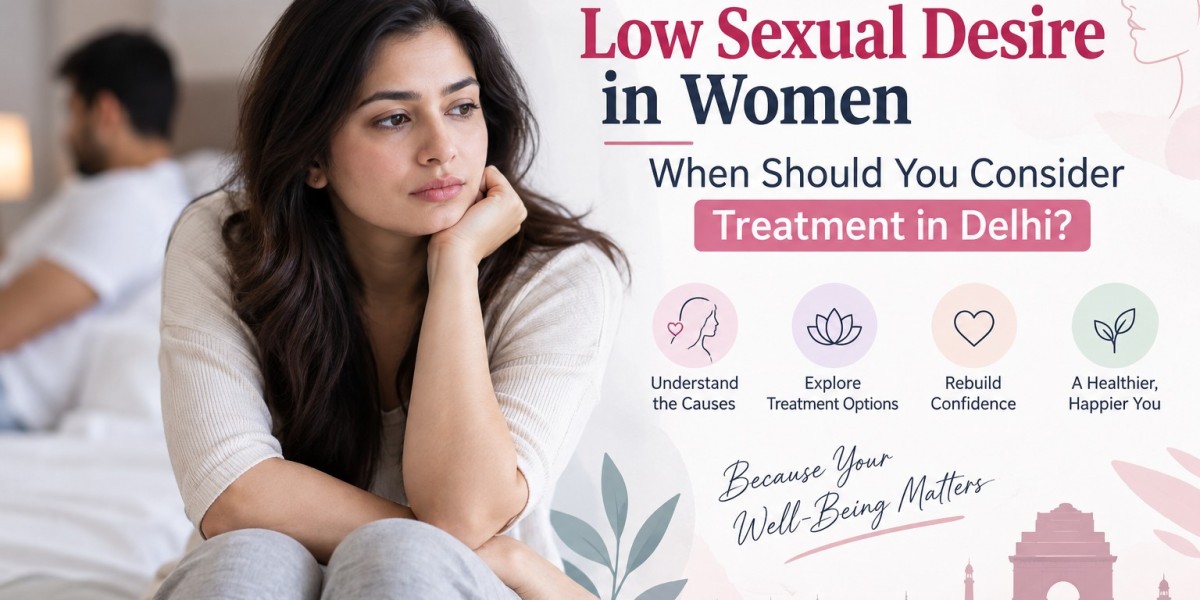

Low libido is a typical issue encountered by women throughout their lives. Though there can be a range of fluctuating factors including emotional or physical concerns in a relationship, stress from a busy or overwhelmed life, bodily changes (such as during pregnancy, or throughout menopause), or even lifestyle, there are also issues where significant changes in libido warrant seeking medical advice. The understanding of why low libido happens to women can enable females to know when it could be appropriate to consult with a physician.
Due to stigmas that are often linked with sexual experiences, many females avoid seeking advice about intimate problems because they feel embarrassed, or it may be something to simply adapt to. However sexual enjoyment does impact upon ones quality of life and if the desire is causing an impairment to personal and or relationship needs, or is of a continuing nature, then speaking with appropriate healthcare professionals might be necessary.
What Is Low Sexual Desire in Women?
Low sexual interest refers to a decrease in one's desire for sex which can either be transient or ongoing. These might involve: fewer sexual fantasies or thoughts; decreased eagerness to initiate sex, and; a less enthusiastic approach to sex.
One significant point is that there is not an "ideal" or "normal" sexual response in women as there can be no set amount for every woman, as personal variation in sexual interest is the norm. Treatment only comes into consideration where reduced desire is noticeable, and causes the women distress or relationship problem.
Low sexual desire in women can have physical, emotional, psychological, and relationship-related causes. Identifying the underlying factor is therefore an important part of appropriate management.
Common Causes of Low Sexual Desire
Several factors can contribute to reduced sexual interest. These may include:
Hormonal Changes
Changes in estrogen and other hormones can influence sexual desire and comfort. Hormonal fluctuations may occur during pregnancy, after childbirth, perimenopause, and menopause. Vaginal dryness or discomfort can also make intimacy less comfortable and indirectly reduce sexual interest.
Stress and Emotional Factors
Long-term stress, anxiety, emotional exhaustion, and poor sleep can affect sexual desire. Work pressure, family responsibilities, and other everyday concerns can make it difficult to feel mentally prepared for intimacy.
Relationship Concerns
Communication difficulties, unresolved disagreements, emotional distance, or lack of intimacy within a relationship may influence sexual desire. In some situations, improving communication and emotional connection can be an important part of addressing the concern.
Medications and Health Conditions
Certain medications and underlying health conditions may affect libido. Depression, thyroid disorders, diabetes, chronic pain, and other health concerns can sometimes be associated with changes in sexual function. A healthcare professional can evaluate whether an existing condition or medication may be contributing to the problem.
Pain or Sexual Discomfort
Women experiencing painful intercourse, vaginal dryness, or pelvic floor problems may begin avoiding sexual activity because they associate intimacy with discomfort. Addressing the physical cause can therefore be an important component of improving sexual wellbeing.
When Should You Consider Treatment?
Occasional changes in sexual interest are not necessarily a reason for concern. However, professional evaluation may be appropriate when:
- Reduced sexual desire continues for an extended period.
- The change is noticeably different from your usual level of interest.
- Low desire causes personal distress or affects your confidence.
- Intimacy is being avoided because of pain or discomfort.
- Relationship difficulties are developing because of reduced sexual interest.
- You suspect that hormonal changes, medication, or another health condition may be involved.
- Lifestyle changes alone have not improved the concern.
The decision to seek treatment should be based on your individual experience rather than comparison with another person's level of sexual desire.
How Is Low Sexual Desire Evaluated?
In this first phase of the consultation, the doctor might address current symptoms, health history, all existing medications, your life circumstances, emotional status, relationships, any other concerns or associated sexual symptoms.
Depending on each individual case, your health state, along with hormonal background, or another biological aspect, would also be assessed. The reason for consulting a doctor should not be for just the motivation of increasing sexual desire but to identify how such change happened and how to address any problems.
In addition, an individualized assessment would be really useful since different causes can lead to identical symptoms in distinct females.
Treatment Options for Low Sexual Desire
Treatment depends on the underlying cause and may involve one or more approaches.
Lifestyle and Stress Management
Improving sleep, physical activity, stress management, and overall wellbeing may support sexual health. Reducing excessive stress and creating sufficient time for rest and emotional connection can also be beneficial.
Psychological Support
If anxiety, depression, body-image concerns, past negative experiences, or other psychological factors are affecting sexual desire, counseling or appropriate psychological therapy may be recommended.
Relationship or Couples Counseling
When communication or relationship difficulties contribute to reduced desire, couples counseling can help partners understand each other's concerns and improve communication around intimacy.
Medical Treatment
If hormonal changes, medication side effects, vaginal dryness, or another medical condition contributes to low desire, treatment may focus on the underlying cause. Depending on individual circumstances, a doctor may recommend appropriate medical therapies or treatments for associated symptoms.
Women searching for low libido treatment women in Delhi should consider consulting a qualified specialist who can assess the underlying cause rather than relying on self-medication or unverified remedies.
What Is Female Sexual Dysfunction Treatment in Delhi?
To address female sexual dysfunction in Delhi, physicians consider physical, hormonal, emotional, and relational influences, and treatment can be designed. These interventions may include lifestyle management, counseling, treatment for pain/dryness, Hormone Replacement Therapy (if medically indicated), treatment targeting pelvic floor muscles and exercises, or other customized strategies for each patient.
First and foremost, not all women who report diminished libido will need pills or a surgery. In conjunction with a skilled expert, women can clarify if therapy is needed and what option would be best to meet their complaints.
Does Cosmetic Gynecology Have a Role?
Some women researching sensitive intimate issues may also be seeking treatments related to cosmetic gynaecology treatment Delhi, although cosmetic functional gynaecology encompasses numerous women's sensitive issues and treatment should be sought out of necessity only and professional advice.
Women experiencing issues such as painful intercourse or vaginal dryness, or considering issues after childbirth, will have discussions with relevant gynaecology experts in order to reach the appropriate functional or cosmetic treatment decision for their health condition.
Why Choose Swaaya Cosmetic Gynecology Clinic in Delhi?
For women looking for specialized intimate healthcare, Swaaya Cosmetic Gynaecology Clinic in Delhi focuses on personalized care for women's intimate and gynaecological concerns. Every woman's symptoms and circumstances are different, which is why professional assessment is important before choosing any treatment.
Whether the concern involves reduced sexual desire, vaginal discomfort, dryness, or another intimate-health issue, seeking expert guidance can help identify potential contributing factors and appropriate treatment options.
Take the First Step Toward Better Sexual Wellbeing
Low sexual desire in women should not automatically be considered a normal consequence of age, marriage, childbirth, or daily responsibilities. While temporary changes are common, persistent low desire accompanied by distress, pain, or relationship difficulties deserves attention.
Women considering female sexual dysfunction treatment in Delhi can benefit from a confidential consultation to understand the possible causes and available options. Similarly, those searching for low libido treatment women in Delhi should prioritize professional evaluation over self-diagnosis.
If you are considering cosmetic gynaecology treatment in Delhi , make sure your treatment decision is guided by a qualified specialist after a proper assessment. Swaaya Cosmetic Gynaecology Clinic provides a supportive setting where women can discuss intimate concerns and explore personalized care options with greater confidence.