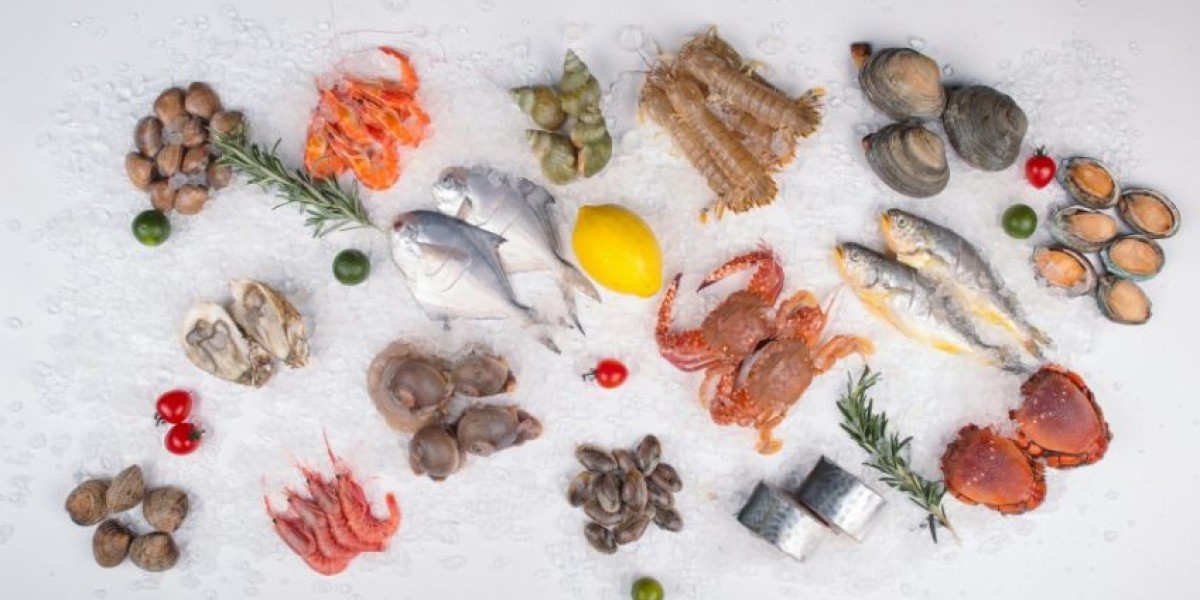

Frozen food products provide longer shelf life and can be stored for extended periods without significant preparation. From frozen vegetables and fruits to ready-to-eat meals, meat, seafood, bakery products, and snacks, the category has expanded significantly to meet changing consumer preferences. Improvements in freezing and packaging technologies are also helping manufacturers maintain product quality and increase the availability of frozen food across retail channels.
The global frozen food market reached a value of USD 5.13 Billion in 2025 and is projected to grow at a CAGR of 7.10% during the forecast period 2026-2035, reaching USD 10.19 Billion by 2035. The rising demand for convenient meal options, changing lifestyles, increasing urbanisation, and growing participation in the workforce are supporting the expansion of the frozen food industry. Consumers are increasingly looking for food products that reduce preparation time while still offering variety and convenience.
Changing Lifestyles Increasing Demand for Convenience
Busy lifestyles are one of the major factors driving demand for frozen food products. Consumers often have limited time for grocery shopping and meal preparation due to work, education, family responsibilities, and other activities. Frozen foods provide an option that can be stored at home and prepared quickly when required.
The growing number of urban households is also contributing to this trend. Consumers living in cities may prefer products that require less preparation and can be consumed without extensive cooking. Frozen meals, snacks, vegetables, and other products can help reduce the time spent on daily food preparation while offering convenient meal solutions.
Convenience is particularly important for younger consumers who are more accustomed to online grocery shopping and ready-to-cook food options. Manufacturers are responding by introducing products in smaller portions, easy-to-use packaging, and formats that can be prepared through ovens, microwaves, air fryers, and other kitchen appliances.
Expansion of Ready-to-Eat and Ready-to-Cook Products
Ready-to-eat and ready-to-cook products are gaining popularity as consumers seek faster meal solutions. Frozen pizzas, prepared meals, snacks, meat products, and other convenience foods allow consumers to prepare meals with minimal effort. This is helping frozen food become a regular part of household grocery purchases.
Manufacturers are also expanding their product ranges to meet different dietary and taste preferences. Vegetarian, vegan, high-protein, low-calorie, and gluten-free frozen products are increasingly available in many markets. This wider selection is allowing consumers to choose convenient foods that fit their individual dietary requirements.
Product innovation is also helping companies differentiate their offerings. Manufacturers are experimenting with new flavors, international cuisines, portion sizes, and meal combinations. These developments are making frozen food more appealing to consumers who want convenience without limiting their food choices.
Improvements in Freezing and Packaging Technologies
Advancements in freezing technologies are helping improve the quality and shelf life of frozen products. Modern freezing processes can help preserve the texture, flavor, and nutritional characteristics of food while reducing deterioration during storage. This is important for manufacturers seeking to provide products that meet consumer expectations for quality.
Packaging is also playing an important role in the development of the frozen food market. Manufacturers are introducing packaging formats that make products easier to store, open, portion, and prepare. Resealable packaging can also help consumers use products according to their needs while reducing unnecessary food waste.
Technological improvements across the cold chain are further supporting market growth. Better refrigeration, transportation, warehousing, and temperature monitoring systems can help maintain product quality from manufacturing facilities to retail stores and ultimately to consumers.
Key Convenience Trends Shaping the Frozen Food Market
Changing consumer behaviour is encouraging frozen food companies to develop products that offer greater convenience while addressing evolving expectations around quality and nutrition. Retailers are also expanding their frozen food sections to provide consumers with a broader selection.
Some of the major trends shaping the market include:
- Ready-to-eat meals: Frozen prepared meals provide quick solutions for consumers with limited cooking time.
- Ready-to-cook products: Products that require minimal preparation are becoming popular among busy households.
- Portion-controlled packaging: Smaller portions and single-serve products can provide convenience for individuals and smaller households.
- Air-fryer-friendly products: The growing use of air fryers is encouraging manufacturers to develop frozen foods specifically suited to quick preparation.
E-Commerce Supporting Frozen Food Sales
The expansion of online grocery shopping is creating new opportunities for frozen food manufacturers and retailers. Consumers can now order frozen products through online grocery platforms and receive them at home, reducing the need to visit physical stores for routine purchases.
Cold-chain delivery is particularly important for this segment. Retailers and logistics providers are investing in temperature-controlled transportation and storage to ensure that frozen products remain at appropriate temperatures throughout the delivery process. Improvements in these systems can increase consumer confidence in purchasing frozen food online.
Digital platforms are also providing manufacturers with opportunities to introduce new products directly to consumers. Online product descriptions, customer reviews, recipes, and promotional campaigns can help consumers discover different frozen food options and understand how they can be prepared.
Health and Nutrition Influencing Product Development
Convenience remains important, but consumers are increasingly considering nutritional value when purchasing frozen foods. This is encouraging manufacturers to develop products with simpler ingredient lists, reduced sodium, higher protein content, and greater use of vegetables and other nutritious ingredients.
Frozen fruits and vegetables can also appeal to consumers looking for convenient ways to include more plant-based foods in their diets. Because freezing can extend shelf life, these products can be stored for longer periods and used when needed, helping consumers reduce dependence on frequent fresh produce purchases.
Manufacturers are therefore balancing convenience with health considerations. The development of nutritious frozen meals and snacks can help companies reach consumers who want quick food options without compromising their dietary goals.
Sustainability and Food Waste Reduction
Frozen food can contribute to reducing food waste by extending the usable life of many products. Consumers can store frozen items for longer periods and use only the quantity they require. This can be particularly useful for households that have difficulty consuming fresh food before it spoils.
Companies are also exploring more sustainable packaging and production practices. Improvements in packaging materials, energy-efficient cold storage, and optimized transportation can help reduce the environmental impact associated with frozen food supply chains.
As consumers become more aware of sustainability, manufacturers may face greater pressure to improve their environmental performance. Companies that combine convenience with responsible sourcing, efficient production, and recyclable or reduced packaging could gain an advantage in the market.
Future Growth Opportunities in the Frozen Food Market
The future growth of the frozen food market is expected to be supported by continued demand for convenient meal solutions. Urbanisation, changing household structures, busy working schedules, and growing consumer interest in quick preparation are likely to maintain demand for frozen products.
There is also considerable potential for innovation in premium and health-oriented frozen foods. Manufacturers can develop products using higher-quality ingredients, specialized dietary formulations, and international flavors to attract consumers looking for greater variety. The expansion of online grocery channels can further increase access to these products.
Another opportunity lies in improving cold-chain infrastructure in developing markets. Better refrigerated transportation, storage facilities, and retail infrastructure can help reduce distribution challenges and allow frozen food manufacturers to reach new consumers and regions.