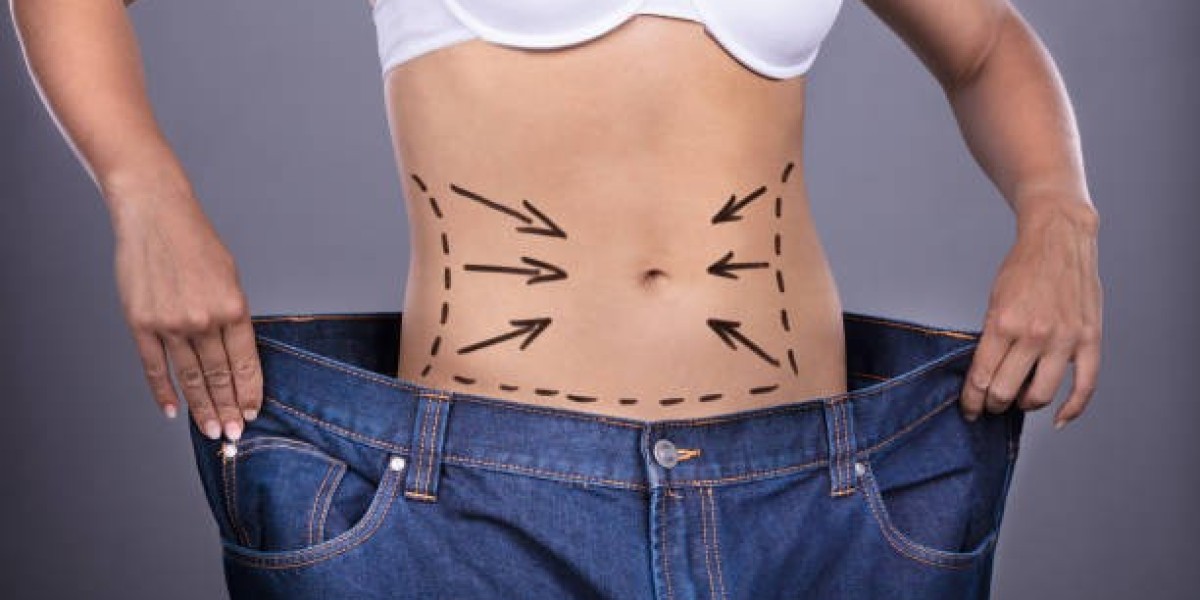

Liposuction recovery is an important part of the body-contouring journey, and knowing what to expect can make the healing period feel much more manageable. While recovery varies according to the treatment area, technique, and individual healing response, most patients experience a gradual reduction in swelling and discomfort. If you are considering Liposuction in Riyadh (عملية شفط الدهون في الرياض), understanding the typical recovery timeline can help you prepare properly and recognize how your body may change from the first day onward.
What to Expect on Day 1
The first day is focused primarily on rest, monitoring, and following your surgeon's postoperative instructions. It is normal for treated areas to feel tender, swollen, or sensitive. Bruising may also begin to appear. Depending on your treatment plan, compression garments may be recommended to support the treated areas and help manage swelling.
You should arrange appropriate transportation and follow any instructions regarding activity, medications, wound care, and fluid intake. Avoid unnecessary physical exertion and give your body time to begin the healing process.
Days 2–3: Early Healing
During the second and third days, swelling and bruising may become more noticeable. This does not necessarily indicate a problem, as these effects can be part of normal early recovery. Mild discomfort may continue, and your movements may feel more restricted than usual.
Focus on Gentle Movement
Your surgeon may encourage light movement when appropriate rather than remaining completely inactive. Gentle activity can support circulation, but strenuous exercise, heavy lifting, and demanding household tasks should be avoided unless your medical team says otherwise.
Days 4–7: Adjusting to Recovery
By the end of the first week, some patients begin to feel more comfortable and mobile. Swelling can still be present, and the treated areas may not yet show their final contours. Compression garments may continue to be used according to your surgeon's instructions.
This is also an important period for monitoring your healing. Keep follow-up appointments as recommended and contact your medical team if you notice symptoms that seem unusual or concerning.
Week 2: Gradual Improvement
During the second week, bruising and tenderness often begin to improve, although swelling may remain. Many people gradually become more comfortable with normal daily activities, depending on the extent of their procedure and individual recovery.
Returning to Daily Activities
Your return to work and routine activities depends on the type of work you do and how your body is healing. Office-based activities may be possible sooner than physically demanding work. Your surgeon should determine when it is appropriate to resume specific activities.
Weeks 3–4: Developing Contours
By the third and fourth weeks, the body may begin to look more refined as swelling continues to settle. However, some areas may still feel firm, swollen, or sensitive. These temporary changes can take time to resolve.
Patients should continue following their surgeon's aftercare instructions rather than trying to speed up the healing process through excessive exercise or unapproved treatments.
One Month and Beyond
After the first month, recovery often continues gradually. While many visible changes may already be noticeable, the body can continue adjusting for several more weeks or longer. The final appearance depends on factors such as the amount of fat removed, treatment areas, skin elasticity, and individual healing.
For people researching Liposuction in Riyadh, it is important to understand that recovery is not identical for everyone. A day-by-day guide provides a general framework, but your surgeon's personalized instructions should always take priority.
How Can You Support Recovery?
Following postoperative instructions is one of the most important ways to support healing. Get adequate rest, stay appropriately hydrated, follow your surgeon's activity recommendations, and wear compression garments if they have been prescribed. Avoid smoking and follow all medication instructions provided by your medical team.
Follow Your Follow-Up Schedule
Follow-up appointments allow your surgeon to monitor your progress and determine whether your recovery is developing as expected. These visits are also an opportunity to ask questions about swelling, discomfort, activity, compression garments, and when you can return to specific routines.
When Should You Contact Your Surgeon?
Some swelling, bruising, tenderness, and temporary sensitivity can occur during normal recovery. However, symptoms that are severe, worsening, or unexpected should not be ignored. Contact your surgical team promptly if you have concerns about your recovery or notice symptoms that your surgeon has identified as requiring medical attention.
Do not rely solely on online recovery timelines to determine whether a symptom is normal. Your surgical team understands your procedure and can provide appropriate guidance based on your individual circumstances.
When Will You See the Final Results?
Liposuction results develop gradually. Early swelling can make the treated areas appear larger or less defined than expected. As healing progresses, swelling decreases and the underlying contours become increasingly visible.
Maintaining a stable weight and healthy lifestyle can help support the long-term appearance of the treated areas. Remember that liposuction is intended primarily for body contouring rather than major weight reduction.
Book a Consultation at Royal Clinic Saudia
If you are considering liposuction and want to understand your expected recovery timeline, a professional consultation can help you prepare.Royal Clinic Saudia (عيادات رويال كلينك) can provide personalized guidance about the procedure, aftercare, healing process, and steps you can take to support a comfortable recovery.