
The financial services industry is increasingly influenced by technology. Digital payments, online banking, financial platforms and automated services are creating new opportunities while also introducing new compliance challenges. As these changes continue, professionals need a strong understanding of financial regulation, risk and financial crime prevention.
A FinTech compliance course UK can help learners develop knowledge that connects traditional financial services with the requirements of modern technology-driven businesses. Studying financial regulation, investment risk, taxation and anti-money laundering can provide a broader understanding of how today's financial sector operates.
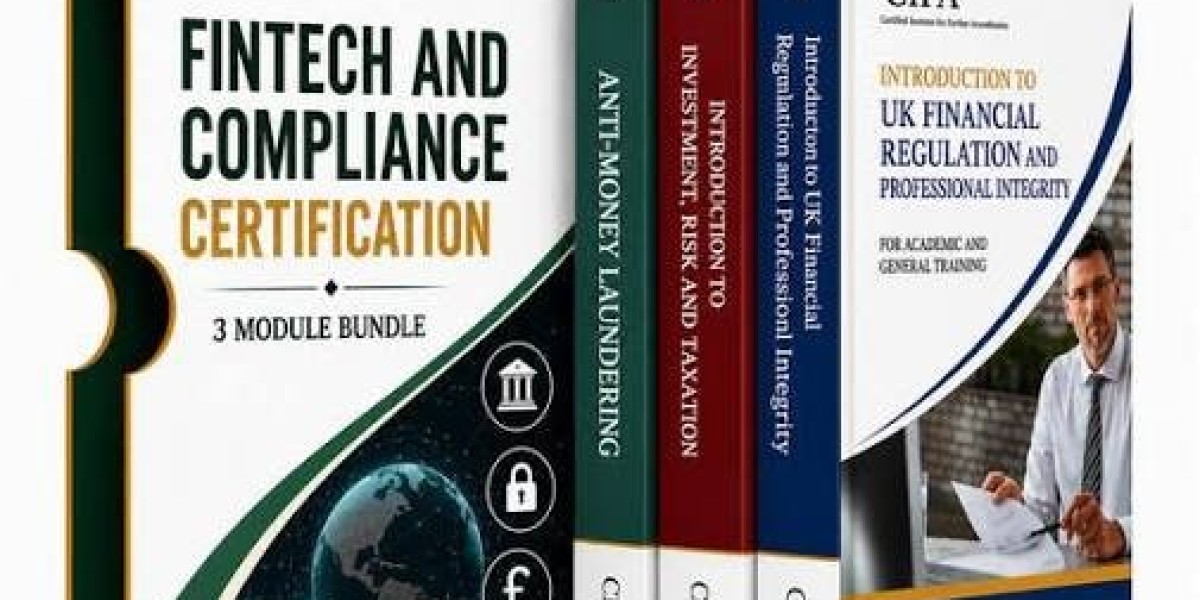
CIFA's FinTech and Compliance Certification brings these subjects together through three courses, creating a structured pathway for people who want to develop their knowledge of finance, compliance and FinTech.
What Is a FinTech Compliance Course UK?
A FinTech compliance course UK is designed to help learners understand how regulatory and compliance principles apply within technology-driven financial services.
FinTech organisations may offer digital banking, payment services, investment platforms and other financial solutions. While technology can improve accessibility and efficiency, businesses still need to address regulatory responsibilities and financial crime risks.
A comprehensive course can introduce learners to areas including:
- UK financial regulation
- Professional integrity
- Investment risk
- Taxation
- Anti-money laundering
- Customer due diligence
- KYC procedures
- Sanctions compliance
- Financial crime prevention
Why Is FinTech Compliance Becoming Important?
The growth of digital financial services has increased the importance of professionals who understand both technology and regulation.
Financial businesses need systems and processes that support responsible operations. Compliance teams may be involved in identifying risks, reviewing procedures, monitoring transactions and supporting regulatory requirements.
Professionals with knowledge across multiple areas of finance can develop a more complete understanding of the challenges faced by modern financial organisations.
What Does the CIFA FCC Programme Include?
CIFA's FinTech and Compliance Certification combines three core courses into one programme. The current bundle contains three courses and 410 hours of learning and is listed as a digital product.
UK Financial Regulation and Professional Integrity
This course introduces the UK financial regulatory framework, regulatory bodies, professional ethics, consumer protection and professional conduct.
Understanding these principles can help learners appreciate how financial organisations operate within a regulated environment.
Investment Risk and Taxation
The second course focuses on investment products, portfolio fundamentals, financial risk management and taxation principles.
This provides learners with useful financial knowledge that can complement their understanding of compliance and regulatory responsibilities.
Anti-Money Laundering
The AML course focuses on preventing financial crime through appropriate controls and procedures.
Topics include customer due diligence, KYC, sanctions compliance and suspicious activity reporting.
Who Can Study a FinTech Compliance Course?
A FinTech compliance course UK can be relevant to a wide range of learners.
Finance Graduates
Graduates can develop specialist knowledge in regulation, investment and AML to complement their existing academic background.
Career Changers
Individuals moving into finance can use structured professional education to understand important concepts before progressing into a specific financial services career.
Compliance Professionals
Existing compliance professionals can broaden their knowledge by studying investment risk, taxation and financial regulation alongside AML.
FinTech Employees
People already working in financial technology can strengthen their understanding of compliance requirements relevant to digital financial services.
Risk and AML Professionals
Professionals working in risk or financial crime prevention can expand their knowledge across related financial disciplines.
CIFA lists aspiring finance and FinTech professionals, compliance and risk professionals, graduates, career changers and people working in banking, payments, insurance and wealth management among the programme's intended learners.
What Skills Can You Develop?
A comprehensive FinTech compliance programme can provide knowledge across several areas.
Financial Regulatory Knowledge
Learners can develop an understanding of the structure and purpose of the UK financial regulatory environment.
Compliance Awareness
Studying professional conduct and regulatory requirements can help learners understand why compliance is important within financial organisations.
Investment Knowledge
Understanding investment products, risk and taxation provides useful context for professionals working across financial services.
AML Knowledge
Learners can explore how organisations use AML controls, KYC, customer due diligence and sanctions screening to manage financial crime risks.
FinTech Awareness
Combining traditional financial concepts with FinTech compliance can help learners understand the relationship between innovation and regulation.
CIFA's stated learning outcomes include understanding UK financial regulation, professional ethics, investment fundamentals, financial risk, taxation and financial crime prevention.
How Does AML Support FinTech Businesses?
Anti-money laundering is an important part of responsible financial operations.
Digital financial businesses may process large numbers of transactions and interact with customers through online platforms. Effective compliance procedures can help organisations identify customers, assess risks and respond appropriately to suspicious activity.
Important AML concepts include:
- Customer identification
- Customer due diligence
- KYC
- Sanctions screening
- Transaction monitoring
- Suspicious activity reporting
- Financial crime risk management
Learning these principles can help professionals understand how AML fits into modern financial services.
Why Study Financial Regulation Alongside FinTech?
Technology changes how financial services are delivered, but regulatory responsibilities remain important.
A professional who understands only the technological side of FinTech may not have a complete view of the industry's compliance requirements. Similarly, compliance professionals can benefit from understanding the financial products and services used by technology-driven organisations.
Combining regulation, investment, taxation and AML therefore creates a broader learning experience.
Can an Online FinTech Compliance Course Support Professional Development?
Online learning can be useful for professionals who need flexibility.
CIFA provides digital learning options and states that its programmes support flexible learning and online exam accessibility.
This can allow learners to study alongside employment or other commitments.
Before enrolling, however, learners should check the course level, curriculum, learning hours, assessment method and relevance to their career objectives.
How Can FinTech Compliance Knowledge Help Your Career?
Professional education cannot guarantee employment, but developing relevant knowledge can support long-term career planning.
FinTech compliance knowledge may be relevant to career interests in:
- Financial compliance
- AML
- Financial crime prevention
- FinTech
- Banking
- Payments
- Risk management
- Investment services
- Financial regulation
- Wealth management
The combination of regulatory and financial knowledge can also help learners understand which specialist area they may want to pursue further.
What Should You Look for When Choosing a FinTech Compliance Course?
Choosing the right programme requires more than comparing course titles.
Review the Curriculum
Check whether the programme covers the areas that are relevant to your career goals.
Check the Learning Level
Make sure the course is suitable for your existing knowledge and experience.
Consider the Study Hours
Look at the total learning commitment and determine whether it fits your schedule.
Review the Assessment
Understand how your knowledge will be evaluated and what is required to complete the programme successfully.
Consider the Certification
Check what certification is awarded and how it fits into your professional development plans.
Why Consider CIFA's FCC Programme?
CIFA's FinTech and Compliance Certification provides a combined learning pathway rather than focusing on a single compliance topic.
The programme includes UK Financial Regulation and Professional Integrity, Investment Risk and Taxation, and Anti-Money Laundering. The current listing shows 410 hours, three courses, and a £897 bundle price.
This structure can be useful for learners who want to develop a wider understanding of financial services rather than studying AML or regulation in isolation.
Building a Stronger Foundation for Modern Finance
The financial sector continues to evolve as technology changes how financial products and services are delivered.
Professionals who understand regulation, investment, risk and financial crime prevention can develop knowledge that is relevant across different areas of the industry.
A FinTech compliance course UK can therefore form part of a wider professional development strategy for people entering finance or strengthening their existing expertise.
Conclusion
A FinTech compliance course UK can help learners understand the connection between financial technology, regulation and responsible financial services.
CIFA's FinTech and Compliance Certification combines three areas of study covering UK financial regulation and professional integrity, investment risk and taxation, and anti-money laundering. The current programme provides 410 hours across three courses.
For graduates, career changers, compliance professionals, AML specialists and people working in FinTech, this type of structured education can provide a useful foundation for developing broader financial services knowledge.
Frequently Asked Questions
What is a FinTech compliance course UK?
A FinTech compliance course UK provides structured learning about financial regulation, professional conduct, AML, investment risk, taxation and compliance within modern financial services.
Who can benefit from FinTech compliance training?
Graduates, career changers, compliance professionals, AML specialists, risk professionals and people working in FinTech, banking, payments, insurance or wealth management may benefit.
What courses are included in CIFA's FCC?
CIFA's FCC includes UK Financial Regulation and Professional Integrity, Investment Risk and Taxation, and Anti-Money Laundering. The programme currently provides 410 hours of learning.