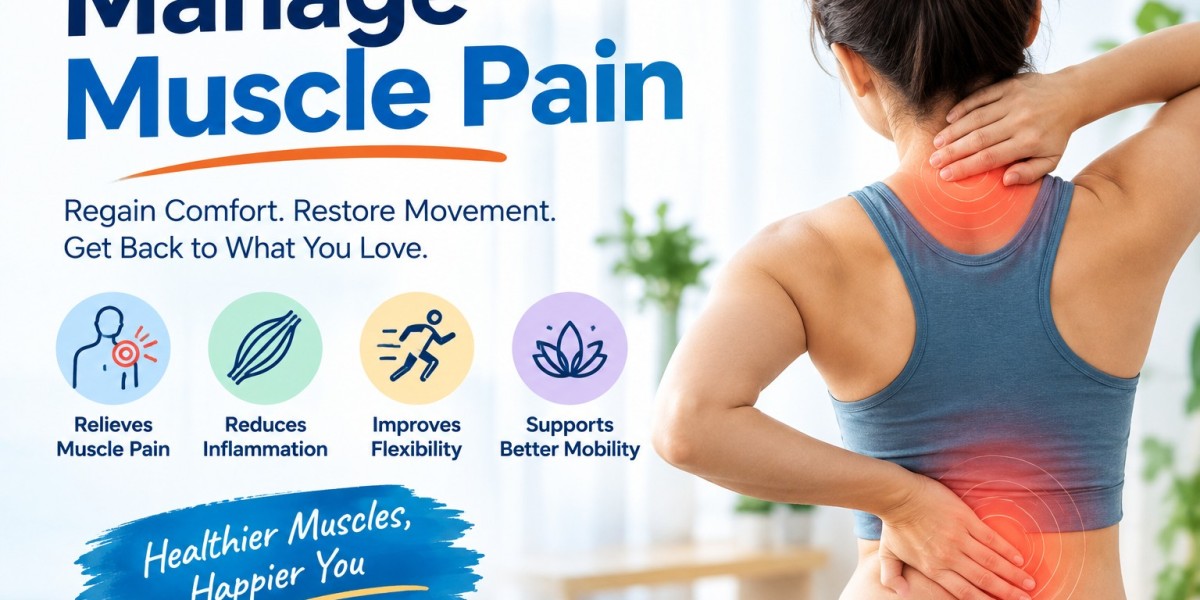

Pain in muscles makes performing daily activities difficult. Activities like walking, sitting, exercising, picking up objects, or getting out of bed may become painful due to sore or stiff muscles. Muscular pain may be experienced after engaging in physical exercise, physical activities, incorrect posture, mild sprain, or lack of movement for a prolonged period. Knowing the causes of muscle pain and taking the necessary measures can be of great help to you.
For people suffering from painful muscles, a suitable remedy would be Pain O Soma 350mg and Pain O Soma 500mg. They are medications containing carisoprodol. They are administered as an adjunct therapy in case of some painful muscle conditions. It is important that the proper dosage of medication taken, which will depend on each person's needs.
What Causes Muscle Pain?
Muscle discomfort can have many everyday causes. Identifying a possible trigger can help you choose sensible ways to manage it.
Common causes include:
- Overuse during exercise or physical activity
- Muscle strain from lifting or sudden movement
- Poor sitting or standing posture
- Long periods of sitting
- Repetitive work or movements
- Minor sports-related injuries
- Physical stress and tiredness
- Not getting enough rest after activity
Some muscle pain improves within a short time, while persistent or severe discomfort may need professional evaluation.
Use Gentle Movement
Rest can feel helpful when your muscles hurt, but staying completely inactive for too long can increase stiffness. Gentle movement can keep the body flexible and support normal mobility.
Try short walks, gentle stretching, or light movements that do not increase your pain. Avoid sudden, forceful exercises until your muscles feel stronger. If a particular movement causes sharp or worsening pain, stop and give the affected area time to recover.
Apply Heat or Cold Carefully
Heat and cold can offer temporary relief from certain cases of muscle pain.
A hot shower or heating pad can be used to loosen tight muscles, making it easier to move around. Ice can also be applied in order to relieve pain after certain injuries or physical exercises. Be sure to cover your skin with a towel before applying heat or cold.
These methods should only be used temporarily.
Improve Your Posture
Poor posture can place extra stress on muscles, especially around the neck, shoulders, back, and hips. Improving your posture throughout the day may reduce unnecessary muscle tension.
When sitting at a desk:
- Keep your back supported.
- Place your feet comfortably on the floor.
- Keep your shoulders relaxed.
- Avoid leaning forward for long periods.
- Adjust your screen so you do not constantly bend your neck.
- Take regular movement breaks.
Small changes can make a noticeable difference when you spend many hours working at a desk.
Give Your Body Enough Rest
Recovery time is essential to the muscles after engaging in physical activities. Engaging in activities while being in constant pain might lead to increased pain levels and even affect the recovery period.
Make sure to have a steady sleep pattern and ensure that your body gets some rest after performing exhausting exercises. When you engage in physical activities frequently, ensure that there are days where you have low-intensity physical activities.
Stay Hydrated and Eat Well
Proper hydration is essential for the proper functioning of the body. Make sure that you drink enough water. Exercise and hot weather will make you dehydrated, but you should always be drinking water.
Another thing that will benefit your physical condition is proper nutrition. Eating different healthy foods will make you stronger and give you energy to move around.
Practice Gentle Stretching
Gentle stretching can help reduce feelings of tightness and improve flexibility. Stretch slowly and avoid bouncing. Hold a comfortable position and stop if you feel sharp pain.
You can include simple stretches for areas that often become tight, such as:
- Neck and shoulders
- Upper and lower back
- Hips
- Thighs
- Calves
Choose movements that match your fitness level and physical condition.
Use Prescription Treatment Responsibly
Individuals suffering from painful muscle disorders may be put on prescription medication by the healthcare provider. In case your healthcare provider suggests you use Pain O Soma, follow all instructions for use.
Do not exceed the recommended dosage and the period of use. Contact your healthcare provider or pharmacist for any side effects, interactions, and precautions related to your medication. Do not change your prescription without the advice of your healthcare provider.
Individuals living in the USA should also ensure that their prescription medication is accessed via the right channels.
Those looking for online pharmacy services should note that BuyRxSafe specializes in offering pharmacy services online.
Know When to Seek Medical Help
Most minor muscle soreness improves with time and appropriate self-care. However, some symptoms require professional attention.
Contact a healthcare professional if:
- Pain becomes severe or keeps getting worse.
- Muscle pain continues without improvement.
- You have significant swelling or weakness.
- You cannot move the affected area normally.
- Pain follows a serious injury.
- You develop unexplained or recurring muscle pain.
- Your symptoms interfere with normal daily activities.
Getting the cause checked can help you receive appropriate care instead of continuing to manage unexplained pain on your own.
Build Better Daily Habits
Preventing repeated muscle discomfort starts with everyday habits. Warm up before demanding exercise, use proper technique when lifting objects, change positions regularly, and avoid increasing your activity level too quickly.
If you work at a desk, take brief movement breaks throughout the day. If your job requires physical activity, use safe lifting techniques and give your body adequate recovery time.
Final Thoughts
Muscle aches can interfere with one’s comfort, mobility, job, physical activity, and everyday life. Some of the easy ways that can help alleviate the discomfort are engaging in light physical activity, stretching, resting, staying hydrated, correcting posture, and using the heat or cold properly.
If one’s muscle aches are chronic, intense, or associated with an injury, it is important to consult a health care professional. If the treatment should involve prescription drugs, one should strictly adhere to the doctor’s recommendations.