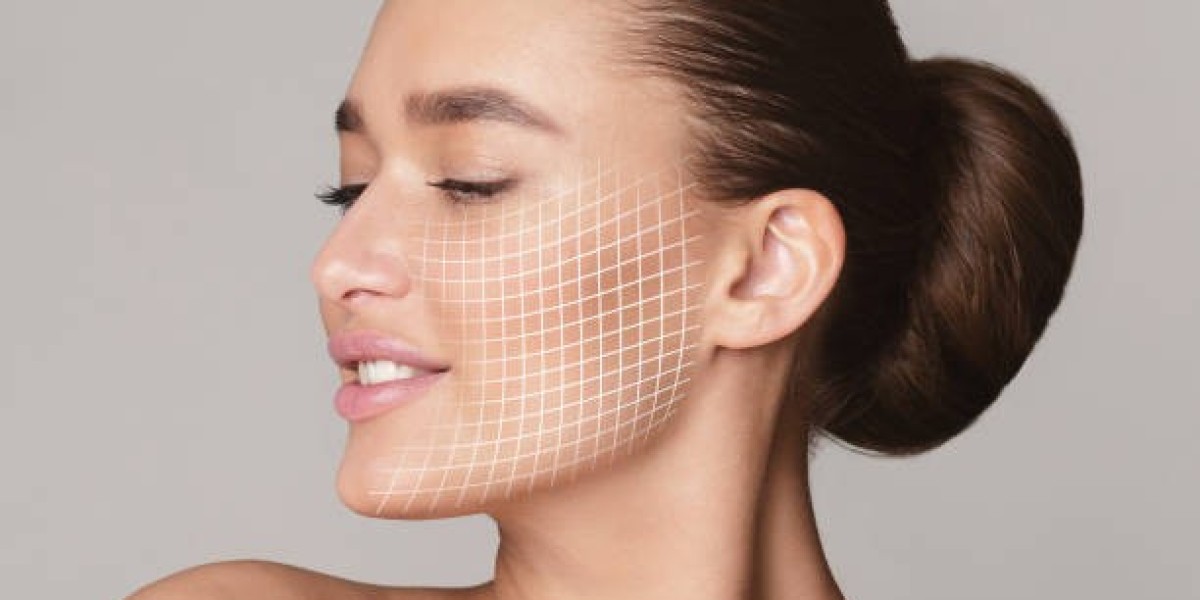

As the face ages, changes in skin elasticity and underlying tissues can gradually create sagging around the cheeks, jawline, and neck. For people exploring Facelift in Riyadh, modern facelift techniques offer a surgical approach to improving loose skin while supporting more defined and balanced facial contours. The objective is not to create an artificial appearance but to refresh the face while preserving natural proportions and expressions.
What Is a Facelift?
A facelift, also known as rhytidectomy, is a surgical facial rejuvenation procedure that addresses visible sagging and excess skin. Depending on individual needs, treatment may focus on the lower face, cheeks, jawline, or neck. A qualified surgeon assesses facial anatomy and skin condition before selecting the most suitable approach.
Supporting Facial Tissues
Facelift surgery can involve repositioning deeper facial tissues and carefully managing excess skin. This approach helps improve facial structure instead of simply pulling the skin. Personalized surgical planning allows the treatment to address specific areas of laxity while maintaining facial harmony.
How Does a Facelift Improve Loose Skin?
Loose skin can reduce the definition of the jawline and create a heavier appearance around the lower face. Facelift surgery can remove or reposition excess skin while improving the underlying tissue position. For individuals considering Facelift in Riyadh, understanding this combination of structural support and skin management is important when evaluating potential results.
Areas Commonly Improved
A facelift may improve sagging cheeks, jowls, lower-face laxity, and selected neck concerns. The exact areas treated depend on the patient’s facial structure and the degree of aging.
Why Natural-Looking Results Matter
Modern facial rejuvenation focuses on subtle, balanced improvement rather than excessive tightening. A carefully performed facelift aims to restore youthful definition while allowing facial expressions to remain natural. The final outcome depends on anatomy, surgical technique, skin quality, and individual healing.
Personalized Treatment Approach
No two faces age in exactly the same way. Factors such as skin elasticity, tissue laxity, facial proportions, and aesthetic expectations can influence treatment planning. A detailed consultation helps identify the appropriate surgical approach for each patient.
Who May Be Suitable for a Facelift?
Adults with noticeable facial sagging, loose skin, or reduced jawline definition may consider facelift surgery. Candidates should have realistic expectations and be prepared for the recovery process. A professional evaluation is necessary to determine whether surgery is appropriate.
Consultation and Assessment
During consultation, the surgeon can examine facial tissues, discuss concerns, review medical history, and explain realistic outcomes. This helps create a treatment plan that balances aesthetic goals with individual considerations.
What Is Facelift Recovery Like?
Recovery varies depending on the surgical technique and extent of treatment. Temporary swelling, bruising, tightness, and discomfort may occur during the initial healing period. Patients are given personalized instructions covering wound care, activity, sleeping positions, and follow-up visits.
Understanding the Final Results
Results become clearer as swelling gradually decreases and facial tissues heal. The final appearance develops progressively, so patients should allow adequate time for recovery before evaluating the outcome.
Choosing a Facelift Specialist
Selecting a qualified and experienced surgeon is an important step. Patients should consider professional credentials, surgical experience, facility standards, treatment approach, and the quality of communication during consultation. Understanding the procedure and realistic expectations can help support a confident decision.
Important Questions to Ask
Ask about the recommended technique, areas being treated, recovery timeline, expected results, possible risks, and aftercare. Clear answers can help you understand what to expect throughout the treatment journey.
Book an Appointment
If loose facial skin or reduced facial definition is affecting your appearance, a professional consultation can help you explore suitable rejuvenation options. Discuss your concerns and goals with the experienced team at Royal Clinic Saudi.
FAQs:
Can a facelift improve loose facial skin?
Yes. It can address excess skin and improve sagging facial contours.
Does a facelift support deeper facial tissues?
Modern techniques may reposition underlying tissues to create improved structural support.
Will facelift results look natural?
The goal is to create balanced improvement while preserving natural facial expressions.
How long does facelift recovery take?
Recovery varies, with swelling and bruising gradually improving as healing progresses.