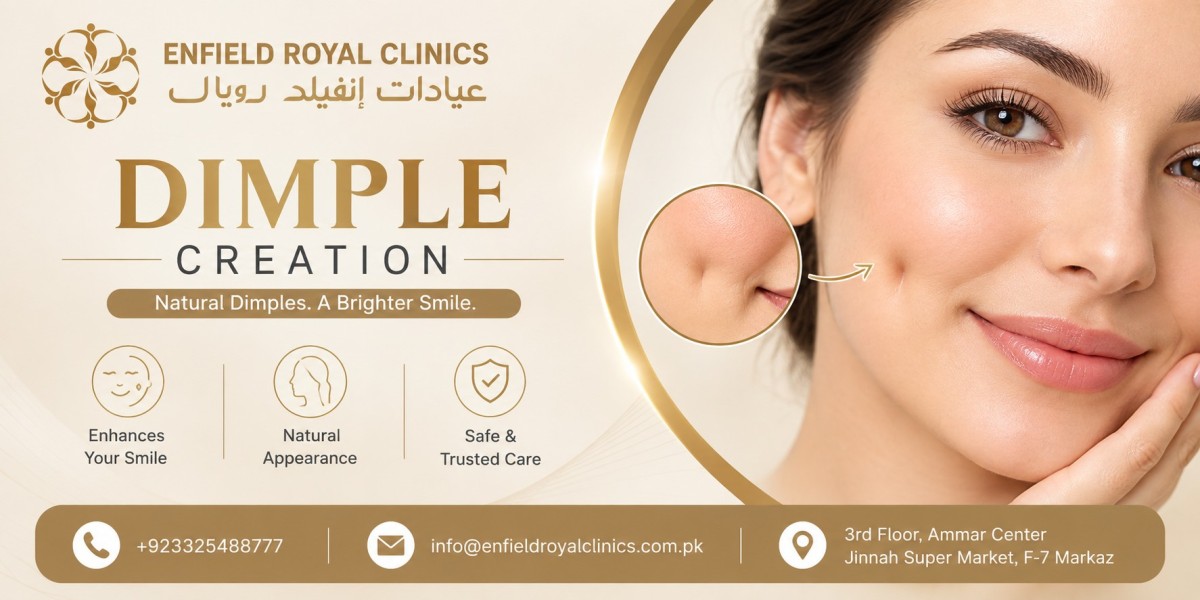

Dimples can add a distinctive feature to the cheeks and make a smile appear more expressive. While some people naturally develop dimples, others may consider a cosmetic procedure to create a similar appearance. Dimple Creation is designed to form a small indentation in the cheek that can become more noticeable during smiling.
The results are intended to complement the individual's existing facial features rather than dramatically change the overall appearance. Since every person's facial structure and healing response are different, the final result can vary from one patient to another.
What Does Dimple Creation Aim to Achieve?
The primary goal of Dimple Creation is to produce a controlled cheek indentation in a carefully selected location. The position is generally planned according to facial proportions, cheek structure, smile movement, and the patient's cosmetic preferences.
Some people may want a subtle dimple that is mainly visible while smiling, while others may prefer a more defined feature. During consultation, these expectations can be discussed with the surgeon.
The procedure is focused on adding a specific facial characteristic rather than reshaping the entire cheek or face.
Will the Dimples Be Visible When You Smile?
One of the most noticeable effects can be increased dimple visibility during smiling. The indentation is designed to interact with natural cheek movement, allowing it to become more apparent when facial muscles are engaged.
The level of visibility varies between individuals. Factors such as cheek anatomy, tissue characteristics, dimple placement, and healing can influence how clearly the indentation appears.
A consultation can help establish realistic expectations about how visible the dimple may become with different facial expressions.
Can the Results Look Natural?
A key objective is to create a dimple that complements the natural appearance of the face. Appropriate positioning and careful treatment planning can help the new feature work with the person's existing smile and facial proportions.
However, no cosmetic procedure can guarantee an identical appearance to naturally occurring dimples. Individual healing and tissue response can affect the final outcome.
For this reason, patients should focus on achieving a balanced and personalized result rather than expecting an exact copy of another person's dimples.
Can You Expect One or Two Dimples?
The number of dimples can be part of the treatment discussion. Some people prefer one dimple for a distinctive asymmetrical appearance, while others choose dimples on both cheeks for a more balanced look.
When two dimples are created, the surgeon can consider their relative position and facial symmetry. Natural facial asymmetry is common, so the objective is generally visual harmony rather than perfectly identical sides.
The choice depends on personal preference and what suits the individual's facial characteristics.
How Does the Result Change During Healing?
The appearance immediately after treatment may not represent the final result. Temporary swelling and tissue changes can make the dimple appear deeper or more prominent during the early healing period.
As recovery progresses, swelling gradually decreases and the tissues begin to settle. The appearance can therefore change over time.
Patients should be patient during the healing process and follow their surgeon's aftercare recommendations. Judging the final appearance too early may lead to unrealistic concerns about the result.
Does Dimple Depth Stay the Same?
Dimple depth can change as the treated tissues heal. Initially, the indentation may appear more pronounced, while later it may become softer or more subtle.
The final appearance is influenced by individual tissue characteristics and the way the cheek heals. Because of these variables, surgeons cannot always guarantee a specific depth.
During consultation, patients can discuss whether they prefer a delicate indentation or a more noticeable dimple, allowing the surgeon to understand their aesthetic goals.
Can Dimple Creation Enhance Your Smile?
For many people, the main attraction of the procedure is the way a cheek dimple can complement a smile. A small indentation may draw visual attention toward the cheeks and create an additional point of character.
The change is usually localized, meaning the fundamental structure of the face remains unchanged. Instead, the dimple becomes another feature that interacts with facial expressions.
The effect can be subtle when the face is relaxed and more visible during smiling, depending on the individual's result.
What Factors Influence Your Final Results?
Several factors can affect the outcome of Dimple Creation. These may include:
- Natural cheek structure
- Facial proportions
- Skin and soft-tissue characteristics
- Dimple placement
- Smile movement
- Surgical technique
- Individual healing response
- Following post-treatment instructions
Because these factors vary considerably, two people receiving similar procedures may experience different results.
Professional assessment before treatment helps the surgeon develop a plan based on the patient's individual characteristics rather than using a standard approach.
How Can You Support a Good Recovery?
Following the surgeon's instructions is an important part of the recovery process. Patients may receive specific advice about oral hygiene, eating habits, activity, and care of the treated area.
Keeping follow-up appointments can also allow the surgeon to monitor healing and assess how the dimple is developing.
Patients should avoid making assumptions about the final appearance during the earliest stage of recovery. Allowing the tissues adequate time to heal provides a better opportunity to appreciate the developing result.
Are Dimple Creation Results the Same for Everyone?
No. Results can differ because every person's facial anatomy, tissue response, and smile pattern are unique. Some people may develop a subtle indentation, while others may have a more noticeable dimple.
The desired outcome should therefore be discussed individually with a qualified cosmetic surgeon. Clear communication before treatment can help ensure that the patient's expectations are realistic and understood.
Final Thoughts
Dimple Creation can provide a personalized cheek feature that enhances the appearance of a smile and adds character to the face. Expected results may include a visible indentation that becomes more noticeable during smiling, with the exact appearance depending on placement, anatomy, healing, and individual tissue response.
The result develops over time, so early changes should not be mistaken for the final outcome. Careful planning, professional treatment, realistic expectations, and appropriate aftercare are all important when considering this cosmetic procedure.
For more information visit Enfield royal clinic in islamabad