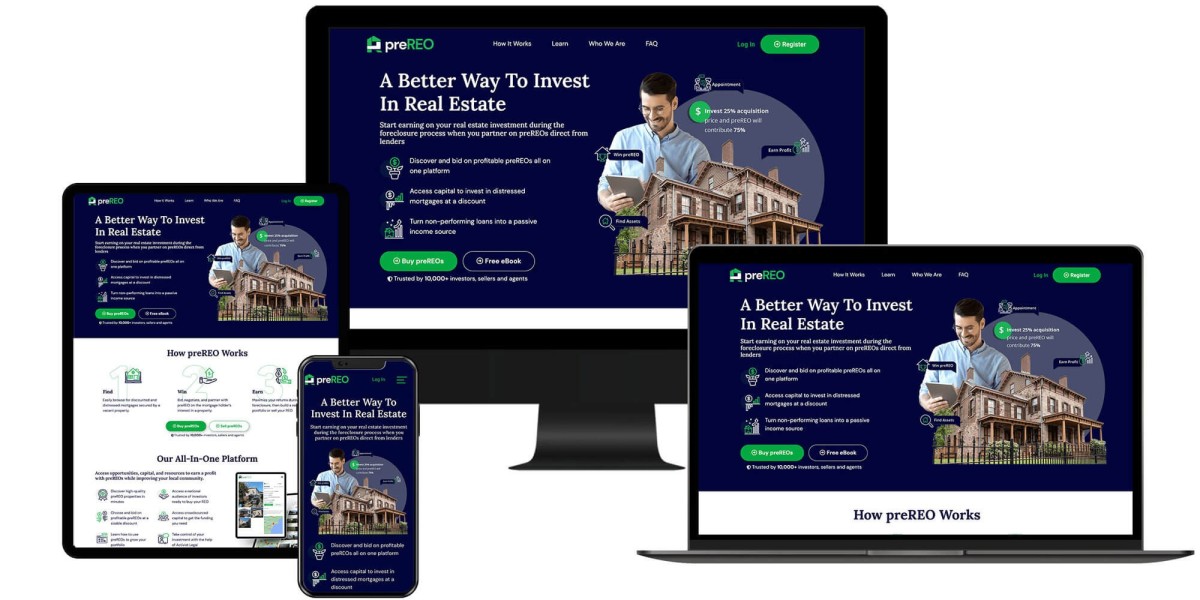

Once you've decided to hire a freelance website designer in Houston, the next set of questions usually isn't "who" — it's "what happens next, and how long will it take." Understanding the typical process and the platform options up front makes it much easier to set realistic expectations, avoid delays, and end up with a site that's actually easy for you to manage afterward.
What the Design Process Usually Looks Like
A well-run freelance project generally moves through a few clear stages:
- Discovery — the designer learns your business, goals, and audience, and you settle on what the site needs to do (bookings, lead capture, e-commerce, information only).
- Content gathering — copy, photos, pricing, and any other content get collected. This step is the single biggest variable in how long a project takes.
- Wireframes or mockups — a rough layout or visual design is shared for feedback before any full build begins.
- Design and build — the site gets built out on the chosen platform, incorporating your feedback along the way.
- Revisions — most freelance quotes include two to three rounds of revisions; changes beyond that typically bill hourly.
- Launch and handoff — the site goes live, and you're shown how to make basic updates yourself (or a maintenance plan is set up).
The timeline depends heavily on how ready your content is. A simple site can go live in one to three weeks if your copy and photos are ready Freelance Website Designer Houston on day one; the same project can stretch to six or eight weeks if content has to be written and gathered along the way. Having your text, images, and pricing organized before you sign a contract is the single easiest way to keep a project on schedule.
Choosing the Right Platform for Your Houston Business
Platform choice affects cost, timeline, and how much you'll be able to manage the site yourself afterward. Here's how the major options generally compare in 2026:
Wix — the easiest to use, with a genuinely beginner-friendly drag-and-drop editor and AI tools that can produce a rough first draft quickly. A solid fit for small service businesses, restaurants, and solo operators who want to make quick edits themselves. The trade-off: exporting your content later, if you ever want to switch platforms, is more limited than with other options.
Squarespace — known for the most visually consistent, professionally designed templates out of the box. Works especially well for creative businesses, boutiques, and service brands where visual polish matters, with solid built-in e-commerce for smaller stores.
Webflow — the most design-flexible option, producing cleaner code and finer control over layout and animation, but with a steeper learning curve. Best suited to projects where a designer or developer will keep managing the site, rather than a business owner planning to edit it solo.
WordPress — still the strongest choice for SEO-heavy sites, content-driven businesses, or anyone who wants full ownership and server-side control, though it typically requires more setup and ongoing maintenance than the all-in-one builders.
For most Houston small businesses — contractors, clinics, boutiques, professional services — Wix or Squarespace covers the need well and keeps ongoing costs predictable. Custom or content-heavy projects, or businesses planning to scale significantly, are usually better served by WordPress or Webflow.
What Typically Drives Cost and Timeline Up
- Content that isn't ready when the project starts (the most common delay by far)
- Custom features beyond what the chosen platform handles natively — bookings, membership areas, complex product catalogs
- More than the included rounds of revisions
- Needing the designer to also write copy or source/shoot photography
- Multiple decision-makers giving conflicting feedback during the review stage
Questions to Ask Before the Project Starts
- What platform do you recommend for my type of business, and why?
- What do you need from me before design work can begin?
- How many revision rounds are included, and what happens beyond that?
- Will I be able to make basic edits myself after launch, or will I need you for that?
- What's the realistic timeline if my content is ready on day one versus not?
The Bottom Line
A smooth freelance website project in Houston comes down to two things: picking a platform that matches how much control you want after launch, and having your content ready before the clock starts. Get clear on the stages of the process upfront, ask specifically why a designer is recommending one platform over another for your business, and treat content readiness as seriously as picking the designer — it's usually the real reason projects run long.