
Rhinoplasty in Riyadh has become an increasingly discussed aesthetic option, but many people are also interested in non-surgical approaches that can create subtle improvements without an operation. These treatments can help refine the appearance of certain nasal features while typically involving less downtime than surgical procedures.
Understanding Non-Surgical Rhinoplasty
Non-surgical rhinoplasty generally refers to injectable techniques used to temporarily improve the appearance of the nose. Unlike traditional rhinoplasty, these procedures do not remove bone, cartilage, or excess tissue. Instead, carefully placed injectable products may help improve proportions, smooth certain contours, or create a more balanced appearance.
For individuals researching rhinoplasty riyadh, understanding the difference between surgical and non-surgical approaches is important. The appropriate option depends on the person's nasal structure, aesthetic goals, and the type of improvement they want to achieve.
How the Treatment Works
During a consultation, the nasal structure and facial proportions are assessed to determine whether a non-surgical approach may be appropriate. Injectable material can then be strategically placed in selected areas to create a smoother and more harmonious contour.
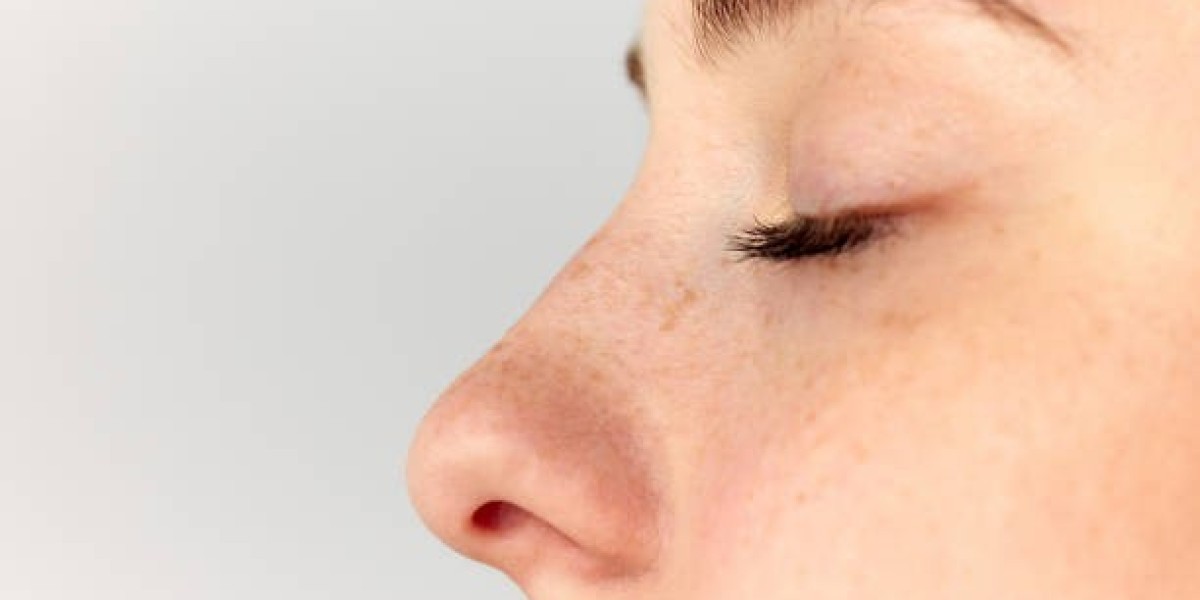
The goal is usually refinement rather than dramatic transformation. Because the treatment works by adding volume in specific areas, it may visually straighten a minor contour irregularity or improve the relationship between the nose and surrounding facial features.
Benefits of Non-Surgical Nose Enhancement
One of the main attractions of non-surgical rhinoplasty is that it can provide aesthetic refinement without traditional surgery. People who want to explore subtle changes may appreciate the shorter recovery period and the ability to return to many normal activities relatively quickly.
Subtle Facial Refinement
Non-surgical techniques can be useful when the desired change involves minor contour irregularities or improving overall facial balance. A carefully planned treatment can help create a smoother-looking nasal profile while maintaining natural facial proportions.
Minimal Downtime
Compared with surgical rhinoplasty, injectable nose enhancement generally involves less downtime. Temporary swelling, redness, or tenderness may occur after treatment, but these effects often settle as the treated area recovers. Patients should still follow all aftercare instructions provided by their qualified practitioner.
Who May Consider Non-Surgical Rhinoplasty?
Non-surgical rhinoplasty may appeal to adults who want subtle aesthetic refinement and are not ready for or do not require surgical correction. It may be considered for concerns such as minor contour irregularities, certain profile imperfections, or improving perceived symmetry.
Understanding Its Limitations
It is important to recognize that non-surgical rhinoplasty cannot perform the same functions as surgery. It does not reduce the size of the nose, remove excess tissue, correct significant structural problems, or provide permanent reshaping. In some cases, adding volume may even make the nose appear larger.
A professional assessment is therefore essential before choosing a treatment. An experienced practitioner can determine whether injectable treatment is suitable or whether another approach would better address the individual's goals.
Choosing a Rhinoplasty Clinic in Riyadh
Selecting an appropriate clinic is an important part of the treatment journey. Patients should look for a professional environment where consultations are thorough, treatment plans are individualized, and safety is prioritized.
Personalized Treatment Planning
Every nose has different anatomical characteristics, so a standardized approach may not provide ideal results. A personalized assessment allows the practitioner to consider facial proportions, skin characteristics, nasal structure, and the patient's desired outcome before recommending treatment.
Prioritizing Safety and Natural Results
Aesthetic treatments involving the nose require careful planning because the area contains important blood vessels and anatomical structures. Choosing a qualified medical professional and an established clinical setting is essential. Patients should also discuss their expectations, medical history, previous treatments, and potential risks during consultation.
Frequently Asked Questions
Is non-surgical rhinoplasty permanent?
No. Non-surgical rhinoplasty using injectable fillers generally provides temporary results. The duration can vary depending on the product used, individual factors, and how the body responds to treatment.
Can non-surgical rhinoplasty make the nose smaller?
Non-surgical treatment primarily reshapes the appearance of the nose by adding volume. It cannot physically remove tissue or reduce the underlying size of the nose.
How long is the recovery after non-surgical rhinoplasty?
Recovery is generally shorter than surgical rhinoplasty. Mild swelling, redness, or tenderness may occur, and the practitioner will provide specific aftercare guidance based on the treatment.
Is non-surgical rhinoplasty suitable for everyone?
No. Suitability depends on individual anatomy, aesthetic goals, medical history, and the type of correction desired. A professional consultation is necessary before treatment.
How can I determine whether non-surgical rhinoplasty is right for me?
A personalized consultation is the best way to understand your options. A qualified practitioner can assess your nose and facial proportions and explain whether a non-surgical approach can realistically achieve your desired improvement.
Short Consultation
If you are considering subtle nose enhancement and want to understand whether a non-surgical approach suits your goals, a personalized consultation can help you make an informed decision. Enfield Royal Clinic provides a professional setting where patients can discuss their aesthetic concerns, explore suitable treatment options, and develop an approach focused on natural-looking facial harmony.