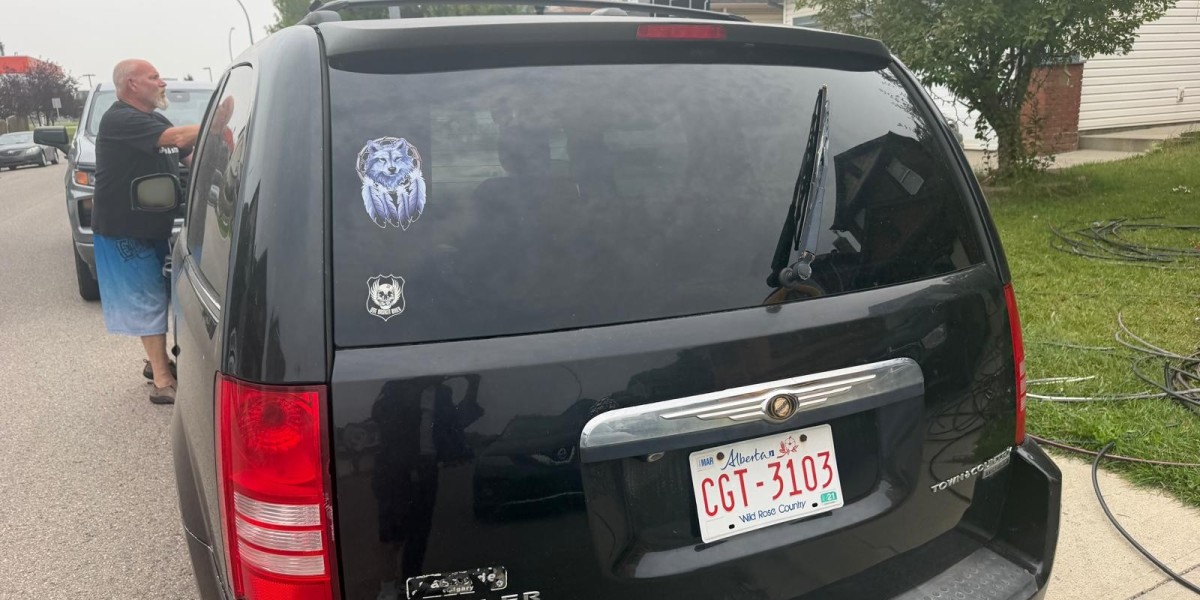

A rusty vehicle sitting in a Calgary driveway, garage, or backyard is more than just a piece of old machinery. For many people, that unused car represents memories, unfinished plans, financial decisions, and emotional attachments. While it may appear irrational to keep a vehicle that has not been driven for months or even years, there are often deeper psychological reasons behind the decision.
Across Calgary, many drivers hold onto old cars they no longer use. Some vehicles have flat tires, expired registrations, mechanical failures, or years of accumulated damage. Yet owners continue to say, “I might fix it someday.”
But why?
Why do people keep junk cars that take up valuable space and slowly lose value over time?
The answer is not simply about money. It involves emotions, decision-making habits, memories, and the human tendency to avoid difficult choices. Understanding these psychological barriers can help Calgary vehicle owners make smarter decisions about unwanted cars and turn a stressful situation into an opportunity.
The Emotional Connection Behind an Old Vehicle
A car is rarely just a machine. For many owners, it represents important moments in life.
A first vehicle may symbolize independence. A family SUV may remind someone of road trips and vacations. A truck may represent years of work, hobbies, or personal achievements.
Because of these emotional connections, selling an old car can feel like giving up a part of the past.
This emotional attachment is one of the biggest reasons people keep vehicles they no longer need. The owner may understand that the car is not practical, but the memories attached to it make the decision difficult.
A junk car can become a storage box for personal history, even when the vehicle itself no longer has a useful purpose.
The “I’ll Fix It Someday” Mindset
One of the most common reasons Calgary drivers keep unused vehicles is optimism.
Many owners believe:
- “I just need to find the right mechanic.”
- “I will repair it when I have extra money.”
- “I might need it in the future.”
- “It is too good to throw away.”
This mindset is understandable. People naturally want to believe that problems can be solved later when circumstances improve.
However, months can turn into years. A vehicle that needed a simple repair eventually develops additional issues from sitting unused. Batteries fail, tires deteriorate, fluids degrade, and rust spreads.
The longer a vehicle remains abandoned, the more difficult and expensive the decision becomes.
The Sunk Cost Trap: “I Already Invested So Much”
Another psychological factor is the sunk cost effect.
This happens when people continue holding onto something because they have already invested money, time, or effort into it.
For example, a Calgary driver may think:
“I spent thousands maintaining this car. I cannot just get rid of it.”
The problem is that past expenses cannot be recovered. The money already spent is gone, regardless of what happens next.
The better question is not:
“How much have I already invested?”
The better question is:
“Is keeping this vehicle the best decision from today forward?”
Sometimes selling an unwanted car is not giving up. It is accepting that the vehicle no longer provides enough value.
Fear of Making the Wrong Choice
Decision-making becomes harder when people are uncertain.
Many vehicle owners worry:
- What if I sell it and need it later?
- What if it is worth more than I think?
- What if someone else repairs it and makes money from it?
- What if I regret getting rid of it?
These questions can create hesitation.
However, keeping a junk car also has costs. A vehicle sitting unused may:
- Lose value over time
- Take up parking space
- Create maintenance problems
- Reduce property appearance
- Become harder to sell later
Avoiding a decision is still a decision. Sometimes the cost of waiting is greater than the risk of moving forward.
The Calgary Climate Factor
Calgary’s weather can accelerate vehicle deterioration. Cold winters, road salt, moisture, and temperature changes can negatively affect vehicles that sit unused.
A car parked outside for several years may experience:
- Rust damage
- Brake system corrosion
- Cracked tires
- Battery failure
- Paint deterioration
- Interior damage
Many owners underestimate how quickly environmental conditions affect a vehicle.
A car that was once repairable may become a much lower-value vehicle simply because it was ignored for too long.
The Convenience Problem: “I Don’t Know What To Do With It”
Sometimes people are not emotionally attached to their old vehicle. They simply do not know the easiest solution.
Selling an unwanted car can seem complicated.
Owners may wonder:
- Who buys a vehicle that does not run?
- How will I move it?
- Do I need expensive repairs first?
- What paperwork is required?
- How do I know I am getting a fair price?
Because the process feels overwhelming, many people choose the easiest short-term option: doing nothing.
The problem is that “doing nothing” creates a long-term problem.
Finding a simple solution, such as selling to a vehicle removal service, recycler, or cash car buyer, can eliminate the stress and free up valuable space.
Why People Overestimate Their Car’s Future Value
Human psychology often causes people to focus on potential rather than reality.
An owner may imagine:
“Maybe this car will become valuable someday.”
While some vehicles do become collectibles, most everyday cars continue losing value as they age.
Factors such as mileage, condition, repair costs, and market demand determine whether a vehicle has future potential.
A realistic evaluation helps owners separate emotional value from actual market value.
The Hidden Financial Cost of Keeping a Junk Car
Many people think an unused car costs nothing because they are not driving it.
In reality, keeping an unwanted vehicle can create hidden expenses.
These may include:
Storage Costs
A vehicle occupying garage or driveway space has a value. That space could be used for another purpose.
Maintenance Expenses
Even unused cars require attention to prevent deterioration.
Registration and Insurance Considerations
Depending on the situation, ownership responsibilities may continue even when the vehicle is not being driven.
Lost Selling Opportunity
A vehicle may be worth more today than it will be after several additional years of neglect.
Understanding these costs can help owners make more practical decisions.
How Calgary Drivers Can Break the Attachment Cycle
Letting go of an old vehicle does not mean forgetting the memories connected to it.
A helpful approach is separating the memories from the machine.
Consider asking:
- Does this vehicle still serve a purpose?
- How much would repairs realistically cost?
- Am I keeping it because I need it or because I feel attached?
- Would selling it create a better opportunity?
Taking photos, keeping a small memento, or documenting important memories can make the transition easier.
Turning a Problem Vehicle Into an Opportunity
Instead of viewing a junk car as a failure, consider its remaining value.
An unused vehicle may provide:
- Extra cash
- Recycling benefits
- Replacement parts for other vehicles
- More parking space
- Less stress
Many Calgary drivers are surprised to discover that their unwanted vehicle still has financial value.
The key is taking action before further deterioration reduces its worth.
Final Thoughts: Your Junk Car May Be Holding More Than Just Space
The psychology behind keeping an unused vehicle is complex. People hold onto junk cars because of memories, uncertainty, hope, fear, and the desire to avoid difficult decisions.
However, an old vehicle that no longer serves a purpose can become a burden instead of an asset.
For Calgary drivers, recognizing the emotional reasons behind keeping an unwanted car is the first step toward making a smarter choice. Whether the solution is selling, recycling, or finding another use, taking action can provide financial benefits and peace of mind.
That old vehicle sitting in your driveway is not just taking up space. It represents a decision waiting to be made.