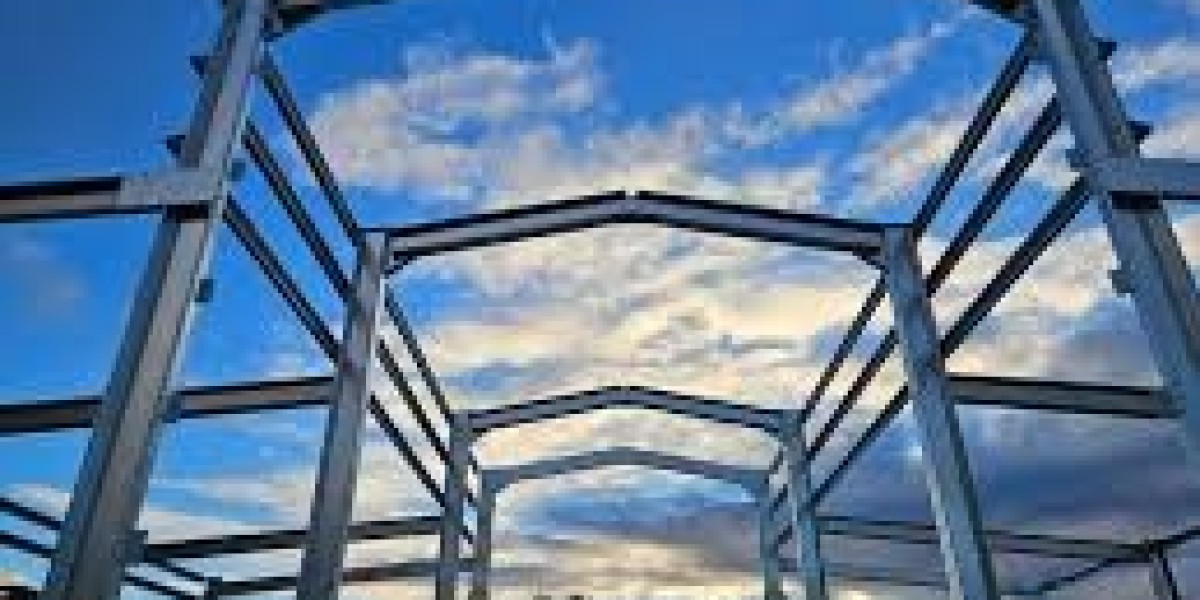

Finding the best sheds for your home, garden, or property means looking beyond appearance and price. A quality shed should provide reliable storage, withstand local weather conditions, use space efficiently, and remain practical for years. Whether you need somewhere to store gardening equipment, bicycles, tools, outdoor furniture, or workshop supplies, choosing the right shed can make your property more organized and functional.
This best sheds review explains the main shed types, important features to consider, and how to choose a model that matches your storage requirements and budget.
What Makes a Shed One of the Best?
The best shed is not necessarily the largest or most expensive option. It is the one that offers the right combination of durability, usable space, security, weather resistance, accessibility, and value.
When reviewing sheds, consider:
Construction materials
Frame strength
Roof design
Floor quality
Door size and placement
Ventilation
Weather resistance
Maintenance requirements
Available storage space
Warranty and installation options
A shed that performs well in these areas is more likely to provide long-term value.
1. Steel Sheds
Steel sheds are popular for homeowners who want strength and low maintenance. Galvanized or coated steel can provide good resistance against moisture, insects, and everyday wear.
One of the biggest advantages of steel sheds is their durability. They are particularly useful for storing tools, lawn equipment, bicycles, and other items that require secure storage.
Pros:
Strong and durable construction
Low maintenance
Resistant to insects and rot
Suitable for secure storage
Available in many sizes
Cons:
Can become hot in direct sunlight
May require insulation for certain uses
Some designs can be less attractive than timber sheds
2. Timber Sheds
Timber sheds are a traditional choice and can complement gardens and residential properties particularly well. Their natural appearance makes them attractive for homeowners who want their shed to blend with landscaping.
Wooden sheds can also be customized with paint, windows, shelving, and other features. However, timber generally requires more maintenance than steel or some plastic alternatives.
Pros:
Attractive natural appearance
Highly customizable
Can be insulated
Suitable for workshops and hobby spaces
Easy to modify
Cons:
Requires regular maintenance
Can be vulnerable to rot without proper treatment
May require repainting or resealing
3. Metal Storage Sheds
Metal storage sheds are designed primarily for practical outdoor storage. They are available in a variety of sizes and can provide a secure place for equipment that would otherwise occupy garage or indoor space.
When reviewing metal sheds, pay attention to the thickness and quality of the panels, frame construction, door hardware, and corrosion protection.
A strong locking system is especially important if you plan to store expensive tools or equipment.
4. Garden Sheds
Garden sheds remain one of the most versatile outdoor storage solutions. They can accommodate gardening tools, lawn equipment, pots, fertilizers, bicycles, and seasonal items.
The best garden shed should have enough interior height and floor space to make organization easy. Shelving and wall-mounted storage can further increase usable capacity without requiring a larger footprint.
Before buying, measure the available area and leave sufficient room around the shed for doors to open and for maintenance access.
5. Large Sheds and Workshop Sheds
If you need more than basic storage, consider a larger shed that can function as a workshop, hobby room, or equipment storage area.
A workshop-style shed benefits from:
Wide doors
Windows for natural light
Electrical access where appropriate
Strong flooring
Adequate ventilation
Higher wall height
Additional shelving
Think about how you will use the space before selecting dimensions. A shed that looks large from outside may have limited usable floor space once shelves, workbenches, and stored equipment are added.
How to Choose the Right Shed Size
Size is one of the most important factors in a shed purchase. Start by making a list of everything you intend to store.
For basic tools and garden equipment, a compact shed may be sufficient. For bicycles, lawn equipment, outdoor furniture, and larger tools, you may need considerably more floor space.
Also consider future storage needs. Buying a slightly larger shed now can be more economical than replacing a small shed later.
Consider the Shed Roof Design
Roof style affects both appearance and functionality.
A gable roof provides additional headroom and gives the shed a classic appearance. A skillion or pent roof has a simpler design and can work well where a modern or space-efficient structure is preferred. Other roof styles may provide additional architectural character.
Choose a roof based on the property's appearance, available clearance, drainage requirements, and the amount of interior headroom you need.
Doors and Accessibility
A shed is only useful if you can easily get items in and out. Check the door width before buying, particularly if you plan to store lawnmowers, bicycles, wheelbarrows, or large equipment.
Double doors can make larger sheds much easier to access. Sliding doors may also be useful where swing-door clearance is limited.
Good-quality hinges, handles, and locking hardware can improve both convenience and security.
Ventilation and Natural Light
Proper ventilation can help reduce condensation and improve airflow inside the shed. This is especially important when storing equipment that may be affected by prolonged moisture.
Windows can provide natural light and make a shed more pleasant to use as a workshop or hobby space. If security is a concern, consider the type and placement of windows carefully.
Foundation and Installation
Even the best shed can perform poorly if it is installed on an unsuitable foundation. The base should be stable, level, and appropriate for the shed design.
Depending on the product and site, possible foundation options can include concrete, paving, or other properly prepared bases.
Before installation, check local requirements and the manufacturer's recommendations. Some locations may also have planning or building rules that apply to certain shed sizes or uses.
Best Sheds for Different Needs
The ideal shed depends on how you plan to use it.
Best for basic garden storage: A compact metal or timber garden shed.
Best for low maintenance: A quality steel or metal shed.
Best for appearance: A well-built timber shed.
Best for workshops: A larger timber or purpose-built workshop shed.
Best for equipment storage: A strong metal shed with wide doors.
Best for growing storage needs: A larger shed with shelving and flexible interior space.
Final Verdict
The best sheds review comes down to matching the shed's construction and features with your actual needs. Steel sheds are excellent for durability and low maintenance, while timber sheds offer a traditional appearance and greater customization. Larger workshop-style sheds provide valuable flexibility when storage needs extend beyond basic garden equipment.
Before purchasing, compare construction quality, dimensions, roof design, doors, ventilation, security, foundation requirements, and maintenance needs. Most importantly, choose a shed with enough practical space for both your current belongings and future storage requirements.
A carefully selected shed can do much more than hide clutter. It can create an organized storage area, protect valuable equipment, and add useful functionality to your outdoor space for years to come.