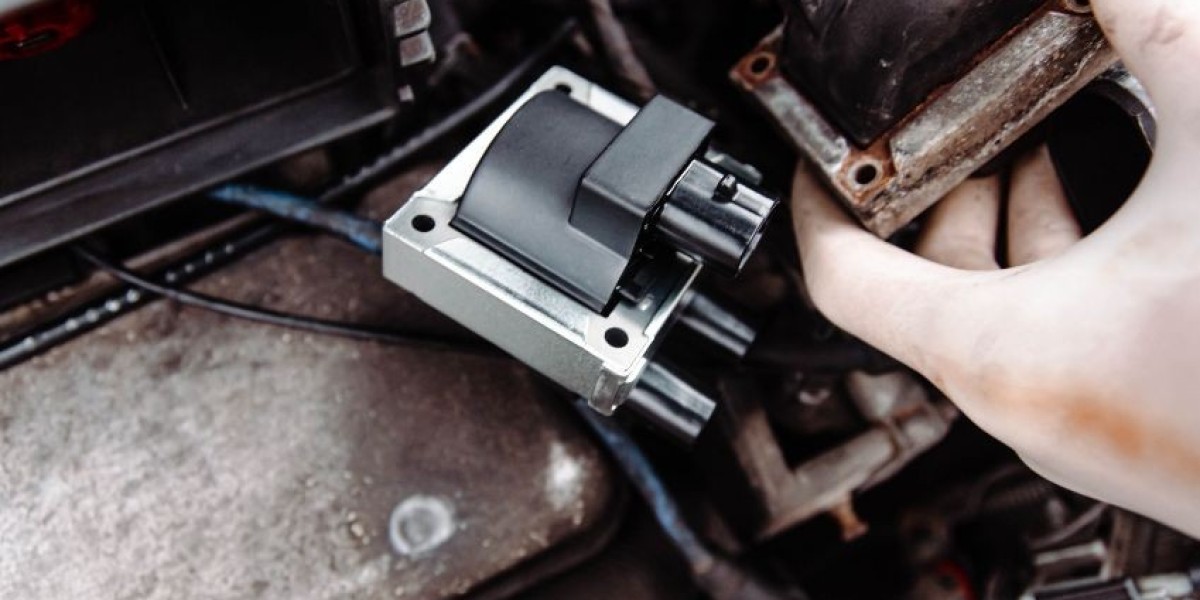

Vehicle ignition coils are essential components in internal combustion engine vehicles, converting the battery's low voltage into the high voltage required to create a spark at the spark plug. As automotive manufacturers continue to improve engine performance, fuel efficiency, and emissions control, ignition coil technology is also evolving to meet changing requirements.
The vehicle ignition coil market stood at approximately USD 6.29 Billion in 2025 and is projected to reach around USD 9.40 Billion by 2035, expanding at a CAGR of 4.10% over the 2026–2035 forecast period. This growth is supported by continued demand for passenger and commercial vehicles, replacement components, and advancements in engine technologies.
Rising Demand for Efficient Ignition Systems
Modern engines require precise ignition timing to achieve efficient combustion. Ignition coils play an important role in delivering the appropriate electrical energy to spark plugs, helping engines operate smoothly and efficiently.
Automakers are therefore focusing on ignition systems that can provide reliable performance under different operating conditions. Improvements in coil design, insulation materials, and electronic controls are helping manufacturers develop components that can withstand higher temperatures and demanding engine environments.
Growth of Coil-on-Plug Technology
One of the important trends in ignition systems is the increasing use of coil-on-plug technology. In this configuration, an individual ignition coil is positioned directly above each spark plug, reducing the need for traditional high-voltage ignition wires.
This design can improve ignition reliability and reduce electrical losses. It also allows the engine control system to manage ignition timing more precisely for individual cylinders. As manufacturers continue to optimise engine performance, coil-on-plug systems are expected to remain an important technology in modern vehicles.
Advancements in Ignition Coil Materials
Material innovation is another factor shaping the development of ignition coils. Components must operate reliably under high temperatures, vibration, and electrical stress.
Manufacturers are exploring improved insulation materials, magnetic cores, windings, and protective housings to increase durability and performance. Better materials can help ignition coils maintain stable electrical output while extending their operating life.
These improvements are particularly important for modern engines, where compact components are often required to operate under demanding conditions.
Integration with Advanced Engine Electronics
Modern vehicles use sophisticated electronic control systems to manage engine functions. Ignition coils are increasingly integrated with these systems to enable accurate control of ignition timing and spark generation.
Electronic engine management can adjust ignition parameters based on factors such as engine speed, load, and operating conditions. This integration can contribute to better combustion, fuel efficiency, and engine responsiveness.
As vehicle electronics become more advanced, ignition coil systems are likely to become increasingly connected with broader engine management technologies.
Focus on Fuel Efficiency and Emissions
Fuel efficiency and emissions regulations continue to influence automotive component development. Efficient combustion can help vehicles use fuel more effectively while supporting efforts to reduce harmful emissions.
Ignition coils contribute to this process by providing consistent spark energy. A reliable ignition system can support proper combustion and reduce the likelihood of misfires.
As automakers work to meet increasingly stringent environmental requirements, ignition components will continue to be developed with greater emphasis on efficiency and reliability.
Opportunities in the Replacement Market
The aftermarket is another important area for ignition coil demand. Ignition coils can experience wear or failure over time because of heat, vibration, electrical stress, and other operating conditions.
As the global vehicle fleet continues to expand, demand for replacement ignition coils is likely to remain relevant. Vehicle owners and repair workshops increasingly seek components that offer reliable performance and compatibility with specific vehicle models.
The growth of online automotive parts platforms is also making replacement components more accessible to consumers and repair professionals.
Impact of Hybrid Vehicles
The transition towards electrification is changing the automotive industry, but ignition coils remain relevant in vehicles that use internal combustion engines, including many hybrid models.
Hybrid vehicles can combine electric motors with internal combustion engines, meaning certain hybrid powertrains still require conventional engine components. This creates opportunities for ignition coil manufacturers to develop components suited to newer engine architectures.
At the same time, the increasing adoption of fully electric vehicles may gradually affect long-term demand for traditional ignition components because battery-electric vehicles do not use internal combustion ignition systems.
Future Innovations in Ignition Coils
Future ignition coil development is likely to focus on compact designs, improved thermal resistance, higher reliability, and better integration with electronic engine controls. Manufacturers may also continue to develop products that deliver consistent performance while reducing component size and weight.
Diagnostic capabilities could become increasingly important as well. Advanced vehicle systems can monitor ignition performance and detect potential faults, allowing maintenance issues to be identified earlier.
These innovations can help improve vehicle reliability and reduce the risk of engine performance problems caused by ignition system failures.
Conclusion
The vehicle ignition coil industry is evolving alongside broader changes in automotive technology. Improvements in materials, coil-on-plug designs, electronic engine management, and ignition efficiency are helping manufacturers meet the requirements of modern internal combustion engines.
Although the automotive industry is moving towards electrification, conventional and hybrid vehicles will continue to support demand for ignition components over the coming years. With the vehicle ignition coil market projected to reach around USD 9.40 Billion by 2035, ongoing technological development and replacement demand are expected to remain important factors shaping the market's future.