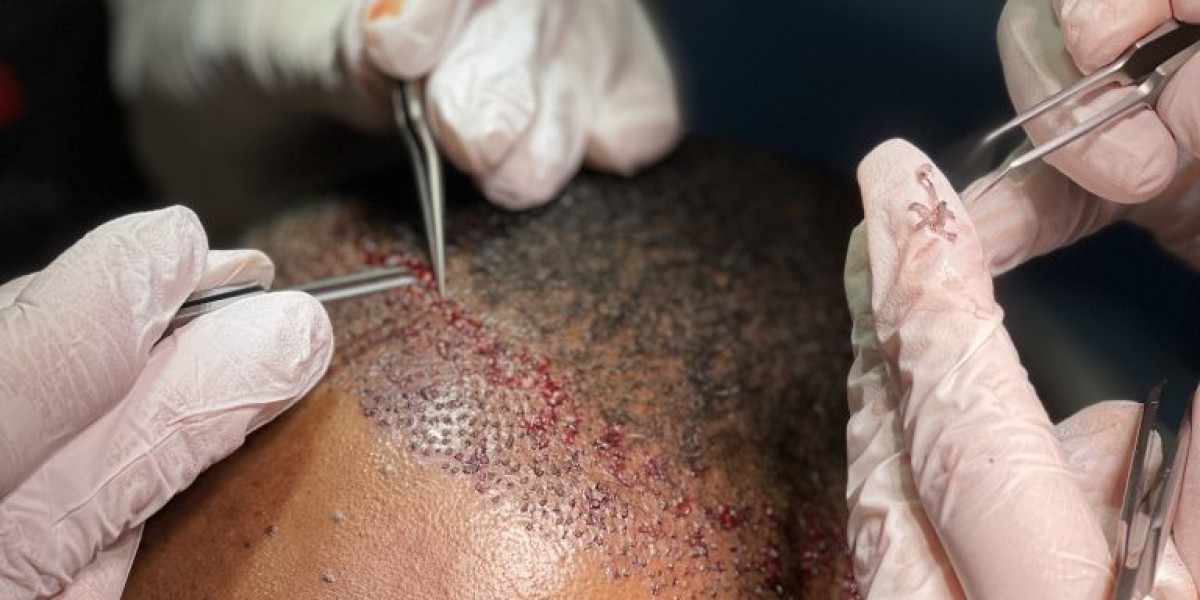

Hair loss can affect more than just physical appearance. For many people, thinning hair, receding hairlines, or visible bald patches can influence confidence and self-image. While shampoos, medications, and cosmetic products may provide temporary support, some individuals look for a more long-term approach to restoring their hair. A hair transplant can be an effective option for suitable candidates who want to improve areas affected by hair loss.
Modern hair restoration has advanced considerably, offering techniques designed to produce natural-looking results while minimizing unnecessary discomfort and downtime. Understanding the potential benefits can help individuals make an informed decision about whether this procedure is appropriate for their goals.
What Is a Hair Transplant?
A hair transplant is a surgical hair restoration procedure in which healthy hair follicles are taken from an area of the scalp with suitable donor hair and carefully placed into areas experiencing thinning or baldness. The transplanted follicles can continue producing hair because they are selected from regions that are generally more resistant to pattern hair loss.
Several techniques are available, with follicular unit extraction (FUE) and follicular unit transplantation (FUT) among the commonly discussed approaches. The appropriate method depends on factors such as hair characteristics, donor availability, the extent of hair loss, and the individual's restoration goals.
Natural-Looking Hair Restoration
One of the main advantages of a hair transplant is the possibility of achieving natural-looking hair growth. Unlike some cosmetic solutions that simply cover bald areas, transplanted follicles can produce real hair.
A qualified hair restoration specialist carefully considers the natural direction, angle, density, and placement of existing hair. Designing the hairline appropriately is especially important because an overly straight or dense hairline may look unnatural. Personalized planning allows the treatment to complement the individual's facial features and existing hair pattern.
Long-Term Hair Growth
Another important benefit is the potential for long-lasting results. Transplanted follicles are usually selected from donor areas that demonstrate greater resistance to common forms of hereditary hair loss. Once successfully established, these follicles can continue producing hair for many years.
However, results vary between individuals. Age, genetics, the pattern of ongoing hair loss, donor hair quality, overall health, and adherence to aftercare instructions can all influence the outcome. A consultation with a qualified professional is therefore important before treatment.
Improved Confidence and Self-Esteem
Hair plays an important role in personal appearance, and noticeable hair loss can sometimes affect how people feel about themselves. Restoring areas of thinning hair may help individuals feel more comfortable with their appearance.
A successful hair transplant does not change who a person is, but fuller-looking hair can provide a positive change in overall appearance. Some patients may feel more confident in social situations, photographs, professional environments, or everyday interactions after seeing their restoration progress.
Personalized Treatment Plans
Hair loss is not identical for everyone. Some people experience a receding hairline, while others have thinning around the crown or more widespread loss. A major benefit of modern hair restoration is the ability to create individualized treatment plans.
During a consultation, a specialist can assess the donor area, examine the pattern of hair loss, discuss expectations, and determine how many grafts may be appropriate. The treatment can then be planned around the patient's specific needs rather than following a one-size-fits-all approach.
Modern Techniques and Precise Placement
Advances in hair restoration technology have improved the precision of follicle extraction and placement. Techniques such as FUE allow individual follicular units to be extracted and implanted strategically.
Careful placement can help create a gradual transition at the front of the scalp while improving density behind the hairline. The objective is not simply to place as many grafts as possible but to use available donor hair efficiently and create a balanced appearance.
Minimal Maintenance Compared With Temporary Solutions
After the transplanted hair has fully grown, it generally does not require special daily procedures simply to remain in place. Patients can usually wash, style, and care for their restored hair as recommended by their specialist.
This can be convenient compared with temporary cosmetic options that need regular application or adjustment. Nevertheless, existing non-transplanted hair may continue to thin over time, so patients should discuss long-term hair management with their healthcare provider.
A Gradual and Natural Transformation
Hair restoration does not typically produce an instant transformation. New growth develops gradually, and the final appearance may take several months or longer to become apparent. This gradual process can be an advantage because the change may look more natural as the transplanted hair develops.
Patients should have realistic expectations and understand that individual growth rates differ. Following post-procedure instructions and attending recommended follow-up appointments can help support the recovery and evaluation process.
Is Hair Transplant Right for You?
A hair transplant can offer meaningful benefits for people experiencing certain types of permanent hair loss, but it is not suitable for everyone. Adequate donor hair, realistic expectations, and an appropriate cause of hair loss are important considerations.
A professional evaluation should come before making a decision. A qualified hair restoration specialist can determine whether transplantation is appropriate and explain the expected benefits, limitations, risks, recovery process, and likely timeline.
Conclusion
Choosing a hair transplant can be a positive step for individuals seeking a long-term approach to hair restoration. Potential benefits include natural-looking growth, personalized treatment, improved hairline appearance, and increased confidence.
Modern techniques have made it possible to plan and perform procedures with considerable precision. However, successful restoration depends on appropriate patient selection, skilled treatment, realistic expectations, and proper aftercare. Anyone considering hair transplantation should seek advice from a qualified medical professional to determine the most suitable approach for their individual needs.
For more information visit Royal Hair Transplant clinic in islamabad