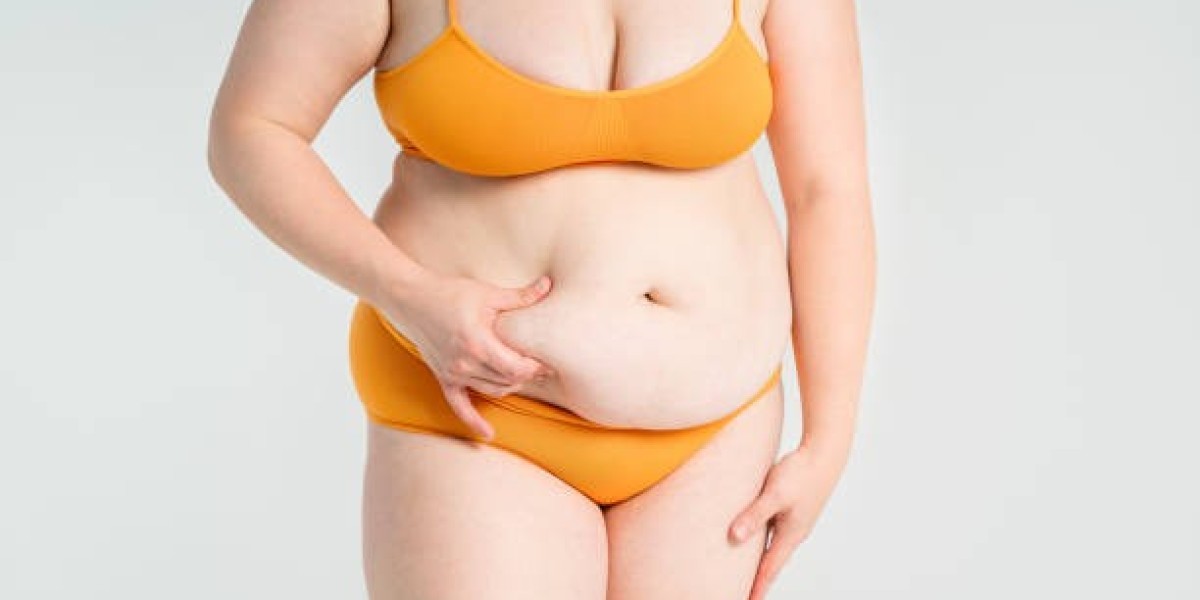

A tummy tuck can create a smoother, firmer, and more defined abdominal appearance, making it an appealing option for people dealing with excess skin or weakened abdominal tissues. If you are considering Tummy tuck surgery in Riyadh (عملية شد البطن في الرياض), one of the most important questions is how long the results can last. The good news is that tummy tuck results are designed to be long-lasting, although natural aging, significant weight changes, pregnancy, and lifestyle habits can influence how the abdomen looks over time.
Are Tummy Tuck Results Permanent?
A tummy tuck permanently removes the excess skin and fat treated during the procedure, while repaired abdominal tissues are designed to provide lasting improvement. However, the surgery cannot stop natural aging or prevent future changes in your body. Maintaining a stable weight and following healthy habits can help preserve the appearance achieved through surgery.
Understanding Long-Lasting Results
Unlike temporary cosmetic treatments, a tummy tuck involves surgical changes to the abdominal area. Once the removed tissue is gone, it does not simply grow back. However, remaining tissues can stretch or change due to weight fluctuations, pregnancy, or aging. This is why long-term maintenance remains important after recovery.
Factors That Can Affect Tummy Tuck Results
Several factors can influence how long your results remain noticeable. Understanding these factors can help you make informed decisions before and after Tummy tuck surgery in Riyadh.
Weight Stability
Significant weight gain or loss can stretch or loosen the abdominal skin and alter your body contours. Maintaining a relatively stable weight after surgery can help protect your results. If you are planning substantial weight loss, your surgeon may recommend reaching a stable weight before undergoing the procedure.
Pregnancy
Pregnancy can stretch the abdominal skin and muscles and may change the results of a previous tummy tuck. For this reason, people who plan to become pregnant may be advised to consider postponing surgery until they have completed their pregnancies.
Natural Aging
Aging naturally affects skin elasticity and body tissues. Over time, the skin may gradually become less firm, even after a successful tummy tuck. While aging cannot be prevented, healthy lifestyle habits can help support the overall appearance of your abdomen.
How Lifestyle Can Help Maintain Results
Your habits after surgery can play an important role in maintaining your new abdominal contour. A balanced diet, regular physical activity once you are fully cleared to exercise, and maintaining a stable weight can all contribute to long-term results.
Maintain a Healthy Routine
Once your surgeon confirms that you have fully recovered, regular exercise can help support muscle strength and overall body composition. Avoid extreme dieting or sudden weight changes, as these may affect the shape and elasticity of the abdominal area.
When Will You See the Final Results?
Tummy tuck results are not immediately visible in their final form. Swelling and tissue changes can continue for several months after surgery. As the swelling gradually decreases and the tissues settle, the abdominal contour becomes clearer.
Give Your Body Time to Heal
It is important not to judge the final outcome too early. Your body needs time to recover, and scars also gradually mature and become less noticeable. Following your surgeon’s postoperative instructions can support a smoother healing process and help you appreciate the results as they develop.
Can Tummy Tuck Results Change Over Time?
Yes, although the underlying surgical improvement can be long-lasting, your abdomen may naturally change over the years. Minor changes are a normal part of aging and do not necessarily mean that the procedure has failed. Major changes in weight or pregnancy can have a more noticeable effect.
What If Loose Skin Returns?
Some degree of skin laxity may develop with aging or substantial weight fluctuations. However, maintaining a stable weight and protecting your skin from excessive sun exposure can help support its long-term appearance. If significant changes occur later, discuss your options with a qualified surgeon rather than assuming another procedure is necessary.
Does Exercise Protect Tummy Tuck Results?
Exercise cannot prevent every natural change, but it can support muscle strength and a healthy body composition. Once your surgeon clears you for physical activity, gradually returning to an appropriate exercise routine can be beneficial.
Avoid strenuous workouts during the early recovery period. Exercising too soon can interfere with healing, so the timing of your return should always be based on professional guidance.
Choosing the Right Time for Surgery
The longevity of your results can also depend on when you choose to have surgery. People who are close to their desired stable weight and have completed or are unlikely to have future pregnancies may be better positioned to maintain their results.
A consultation with a qualified surgeon can help determine whether the timing is appropriate for your goals and circumstances.
Protecting Your Long-Term Results
Following your surgeon’s instructions during recovery is the first step toward maintaining your outcome. After healing, focus on stable weight management, nutritious eating, regular activity, and realistic expectations. These habits can help you enjoy your improved abdominal contour for many years.
The goal of Tummy tuck surgery in Riyadh is not simply to create a temporary change but to provide a lasting improvement in abdominal shape and firmness. Although your body will continue to age naturally, taking care of your health can help preserve the results for as long as possible.
Book an Appointment at Royal Clinic Saudia
If you are considering tummy tuck surgery and want to understand how long results may last, schedule a consultation with the qualified team at Royal Clinic Saudia (عيادات رويال كلينك). A personalized assessment can help you understand the procedure, expected results, recovery, and factors that may influence your long-term outcome.