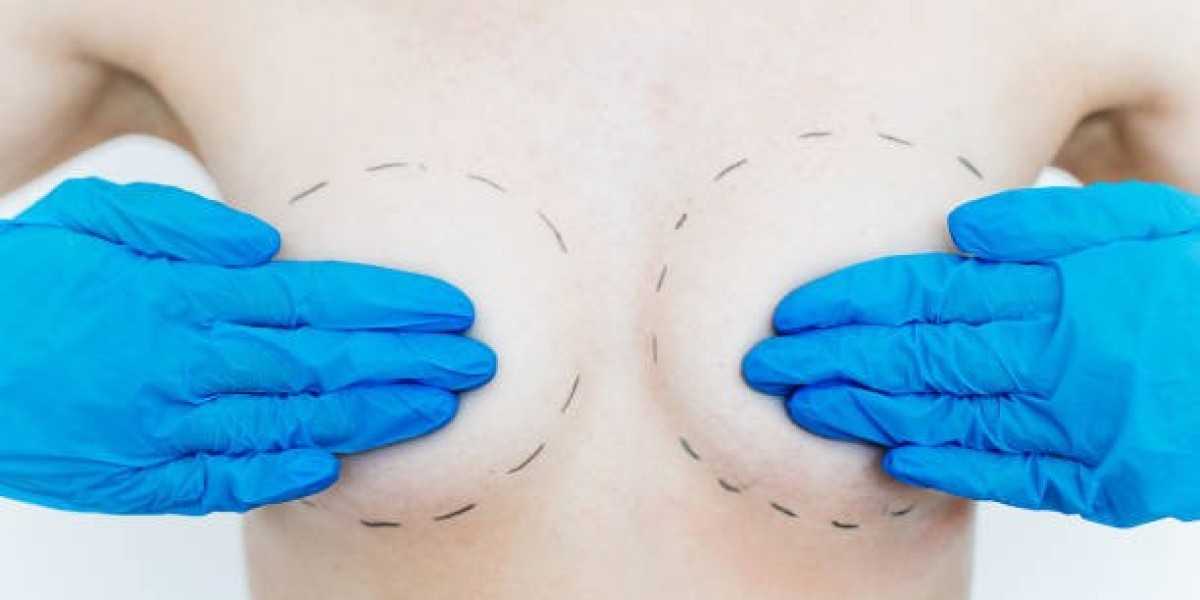

Athletic women face a unique set of considerations when considering breast augmentation. Training schedules, sports bras, upper body strength, and performance demands all interact with surgical recovery and long-term results. Silicone Breast Implants in Riyadh is not to choose between fitness and aesthetics but to plan in a way that honors both. If you are considering Silicone Breast Implants in Riyadh, addresses how athletic women can approach augmentation intelligently.
Why Athletic Women Have Different Considerations
Athletic women often have lower body fat, leaner chest tissue, and well-developed pectoral muscles. These characteristics influence implant selection, placement, and recovery. Lower body fat may mean thinner tissue coverage, increasing rippling risk with subglandular placement. Developed pectoral muscles can affect implant positioning and animation deformity—changes in implant appearance when chest muscles flex. A Silicone Breast Implants in Riyadh consultation should include discussion of your training routine and performance goals.
Implant Selection for Athletic Frames
Implant selection depends on chest dimensions and tissue coverage, not athletic status alone. Moderate profiles often suit athletic frames better than high profiles, which can appear disproportionately projected. Submuscular or dual-plane placement provides additional coverage for thinner tissue. Patients researching breast augmentation costs in riyadh should understand that appropriate sizing matters more than maximizing volume, particularly when performance is a priority.
Animation Deformity Explained
Animation deformity occurs when chest muscle contractions distort the appearance of submuscular implants. When the pectoralis major flexes, the implant may be compressed or displaced, creating visible distortion. This is more noticeable in patients with well-developed muscles who engage in frequent chest training. Some patients accept this as a trade-off for the coverage benefits of submuscular placement. Others prefer subglandular placement to avoid animation, accepting higher rippling risk. Discussing these trade-offs with your surgeon helps you choose what suits your priorities.
Training Restrictions During Recovery
Recovery requires significant training modifications. Upper body exercises, particularly chest and shoulder work, must be avoided for several weeks. Cardiovascular activity resumes gradually, starting with walking. Running and high-impact activities may be uncomfortable initially due to breast movement. Full training typically resumes around six to eight weeks, though chest exercises may require longer. Patients comparing breast augmentation costs in riyadh should factor recovery time away from training into their planning.
Returning to Training Safely
Return to training is gradual, not immediate. Begin with lower body work while upper body heals. Add light cardiovascular activity as comfort allows. Introduce upper body exercises slowly, starting with bodyweight movements before adding resistance. Stop any exercise that causes pain or unusual discomfort. Work with a trainer experienced in post-surgical rehabilitation if possible. Your surgeon will provide specific clearance timelines.
Sports Bras and Support
Proper support matters during recovery and beyond. High-impact activities require supportive sports bras that minimize breast movement. After surgery, your surgeon will recommend appropriate garments for different recovery stages. Once healed, investing in well-fitted, supportive sports bras protects your results and enhances comfort during training. Patients researching breast augmentation costs in riyadh should factor ongoing support garments into their planning.
Performance Considerations
Breast augmentation does not typically impair athletic performance once fully healed. Some patients find that larger breasts create discomfort during running or jumping, requiring more supportive garments. Others notice no difference. Implant weight is generally modest compared to natural breast tissue. Discuss your specific sport and its demands with your surgeon so they can advise on sizing and placement that supports your performance.
Long-Term Results and Athletic Lifestyle
Athletic women often maintain stable weight, which supports lasting results. Strength training builds chest muscle that can enhance or alter implant appearance depending on placement. Maintaining consistent exercise habits supports overall health and weight stability. Patients should understand that significant muscle development or weight changes may affect breast appearance over time.
Timing Surgery Around Training Cycles
Consider scheduling surgery during an off-season or period of lighter training. This allows adequate recovery without pressure to return quickly. Competitive athletes should discuss their season schedule with their surgeon to plan optimal timing. A Silicone Breast Implants in Riyadh surgeon experienced with athletic patients can help coordinate timing.
Questions to Ask Your Surgeon
Ask how your training routine affects implant selection and placement. Ask about animation deformity risk given your muscle development. Ask about recovery timelines for your specific sport. Ask when you can resume chest training and high-impact activity. Ask about long-term considerations for athletic lifestyles.
For those seeking expert guidance and customized aesthetic care, you can book an appointment consultation at the Enfield Royal Clinic.
FAQs
Can I exercise after breast augmentation?
Walking immediately; light cardio around six weeks; full training typically at eight weeks with clearance.
What is animation deformity?
Distortion of submuscular implants when chest muscles flex, more noticeable in muscular patients.
Is breast augmentation costs in riyadh different for athletes?
Costs vary by implant type and technique, not athletic status specifically.
When can I resume upper body training?
Most patients resume chest and shoulder training around eight weeks with surgeon approval.
Will implants affect my athletic performance?
Once healed, implants typically do not impair performance, though support garments may be needed.