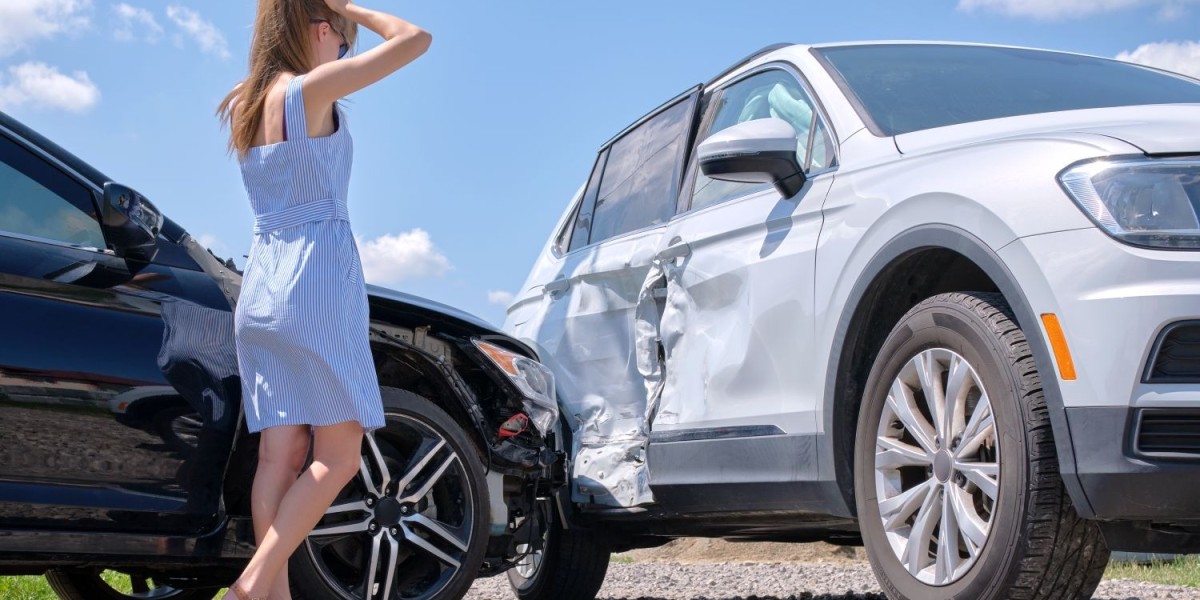

The coverage provided depends on the type of policy, the benefits selected, the policy limits, exclusions, deductibles, and the circumstances surrounding an incident. Understanding these details before a problem occurs can make it much easier to know what to expect when you need to make a claim.
With the increasing availability of digital services, drivers can also review and purchase an online car insurance policy more conveniently. However, purchasing insurance online does not remove the need to understand the coverage. The important question is not simply whether a policy is available, but what protection it provides.
This guide explains the main areas that car insurance can cover, the differences between common types of coverage, what is generally excluded, and the factors drivers should consider when reviewing an insurance policy.
What Is Car Insurance Designed to Cover?
Car insurance is designed to provide financial protection against specific risks associated with owning and operating a vehicle. The exact protection varies according to the policy.
Some policies primarily protect the policyholder against liabilities arising from damage or injury caused to other people. Other policies provide broader protection that can also cover damage to the insured vehicle.
A policy can therefore be viewed as a set of agreed protections rather than unlimited financial protection. The insurer agrees to cover specific risks under specific conditions, while the policyholder agrees to pay the required premium and follow the policy requirements.
For this reason, reading the policy documents is essential. Two policies may both be described using similar terms while offering different limits, exclusions, deductibles, and additional benefits.
Third-Party Liability Coverage
Third-party liability coverage is designed to address certain financial responsibilities that may arise when a driver causes damage or injury to another party.
For example, if a driver is responsible for an accident that damages another vehicle, third-party liability coverage may respond to eligible costs according to the policy and applicable regulations.
This type of coverage is focused on the driver's liability to others. It generally does not provide the same protection for damage to the policyholder's own vehicle that may be available under broader coverage.
The limits of third-party protection are particularly important. Drivers should understand the maximum amounts covered and any conditions or exclusions that apply.
Damage to Your Own Vehicle
Broader motor insurance policies may provide coverage for accidental damage to the insured vehicle.
This can include damage resulting from events such as collisions, depending on the policy terms. The insurer may assess the vehicle after an incident to determine the extent of the damage and whether the loss falls within the policy coverage.
If the damage is covered, the insurer may arrange repairs or provide compensation according to the applicable policy terms.
However, coverage for vehicle damage is not necessarily unlimited. Deductibles, repair conditions, coverage limits, depreciation rules, and exclusions can affect how a claim is handled.
Theft and Attempted Theft
Some comprehensive policies provide protection against vehicle theft or damage resulting from an attempted theft.
If a vehicle is stolen, the insurer may require specific documentation and information before processing the claim. The exact requirements vary between policies and insurers.
Damage caused during an attempted theft may also be treated differently from the theft of the vehicle itself. Therefore, policyholders should check the relevant sections of their insurance documents to understand how these situations are handled.
Fire and Other Specified Risks
Depending on the policy, protection may extend to losses caused by fire and certain other specified events.
For example, a comprehensive policy may include fire protection as part of its broader coverage. Other external risks may also be covered if specifically included in the policy.
The important distinction is between a risk that is specifically covered and an event that is simply assumed to be covered. Insurance policies operate according to their contractual terms, so drivers should verify the details rather than relying on the general label attached to a policy.
Personal Accident Benefits
Some motor insurance policies can include personal accident benefits for the driver or other occupants, subject to applicable terms and limits.
These benefits are different from vehicle damage coverage. Instead of paying for repairs to a vehicle, they may provide financial benefits following certain covered injuries or accidental events.
The amount of protection, eligible persons, circumstances covered, and exclusions can vary significantly. Drivers should therefore check whether personal accident protection is included and understand the limits before relying on it.
Damage Caused by Natural or External Events
Depending on the policy, certain types of damage caused by external or natural events may be covered.
The availability of this protection can depend on the specific wording of the policy. Some policies may include particular events as standard, while others may offer them as additional coverage.
This is one reason why reviewing the list of insured events is important. A driver should not assume that every possible external event is automatically covered simply because the policy is described as comprehensive.
What About Windscreen or Glass Damage?
Glass and windscreen damage may be covered under certain motor insurance policies, depending on the circumstances and policy conditions.
For example, a windscreen damaged during a covered accident may be treated as part of the vehicle damage claim. Some policies may also have specific provisions for glass-related claims.
Drivers should check whether a deductible applies and whether the insurer requires repairs to be carried out through a particular provider or approved facility.
What Does Car Insurance Usually Not Cover?
Understanding exclusions is just as important as understanding covered risks.
Most insurance policies contain exclusions that specify situations where the insurer will not be responsible for a loss. These exclusions can vary depending on the policy.
Normal Wear and Tear
Insurance is generally designed to cover unexpected insured events rather than normal deterioration.
Tyres, brakes, batteries, mechanical components, paint, and other parts naturally experience wear through regular use. Routine maintenance and replacement due to normal wear are generally different from accidental damage.
Mechanical Failure
A mechanical or electrical problem may not automatically be considered an insured accident.
For example, if an engine develops a fault because of age, lack of maintenance, or an internal mechanical problem, standard accident coverage may not apply.
The distinction between accidental damage and mechanical breakdown is important when determining whether a claim is covered.
Intentional Damage
Insurance generally does not provide protection for damage deliberately caused by the policyholder or another person acting with the intention of creating a loss.
Such circumstances are usually addressed through specific exclusions in the policy.
Using the Vehicle Outside Policy Conditions
Policies may include conditions regarding who can drive the vehicle, how it can be used, and where it can be driven.
If a vehicle is used in a way that falls outside the agreed policy conditions, coverage may be affected. Drivers should therefore make sure the information provided when purchasing the policy accurately reflects how the vehicle is actually used.
Understanding Deductibles
A deductible is an amount that the policyholder may have to contribute toward an eligible claim.
For example, if a covered repair costs 4,000 and the applicable deductible is 500, the policyholder may be responsible for the deductible while the insurer covers the remaining eligible amount, subject to the policy terms.
Deductibles can vary depending on the policy and type of claim. Understanding them helps drivers assess the actual financial responsibility they may face following an accident.
A policy with a lower premium may sometimes have a higher deductible, while another policy may cost more but require a smaller contribution when a claim occurs.
Coverage Limits Matter
Every policy has limits that define the maximum amount or extent of protection available for particular benefits.
These limits can apply to liability, vehicle damage, personal accident benefits, additional services, and other forms of coverage.
Drivers should review these limits when comparing policies. A policy with a lower premium is not necessarily better value if its limits or benefits are insufficient for the driver's circumstances.
Why Policy Exclusions Should Be Reviewed
Exclusions explain situations that are outside the insurer's responsibility.
They can include specific types of damage, particular circumstances, prohibited uses, or other conditions defined in the policy.
Many misunderstandings about insurance occur because people focus on what a policy covers without checking what it does not cover. Reviewing both sections provides a more complete understanding of the protection being purchased.
How to Check What Your Policy Covers
The easiest way to understand your insurance protection is to review the policy documents carefully.
Look for the following information:
- Type of insurance coverage
- Covered risks and events
- Coverage limits
- Deductibles
- Exclusions
- Driver restrictions
- Vehicle-use conditions
- Claims procedures
- Repair arrangements
- Additional benefits
If any term is unclear, it is better to ask the insurer for clarification before an incident occurs.
Final Thoughts
Car insurance can provide valuable financial protection, but the extent of that protection depends entirely on the policy selected and its terms. Third-party liability, accidental vehicle damage, theft, fire, personal accident benefits, and other protections may be available depending on the type of coverage.
At the same time, insurance does not normally cover every possible vehicle expense. Wear and tear, certain mechanical problems, intentional damage, and situations excluded by the policy may fall outside the coverage.
The best way for drivers to understand their protection is to look beyond the policy price and examine the coverage, limits, deductibles, exclusions, and claims process. Taking the time to understand these details before purchasing insurance can help prevent confusion and unexpected costs later.