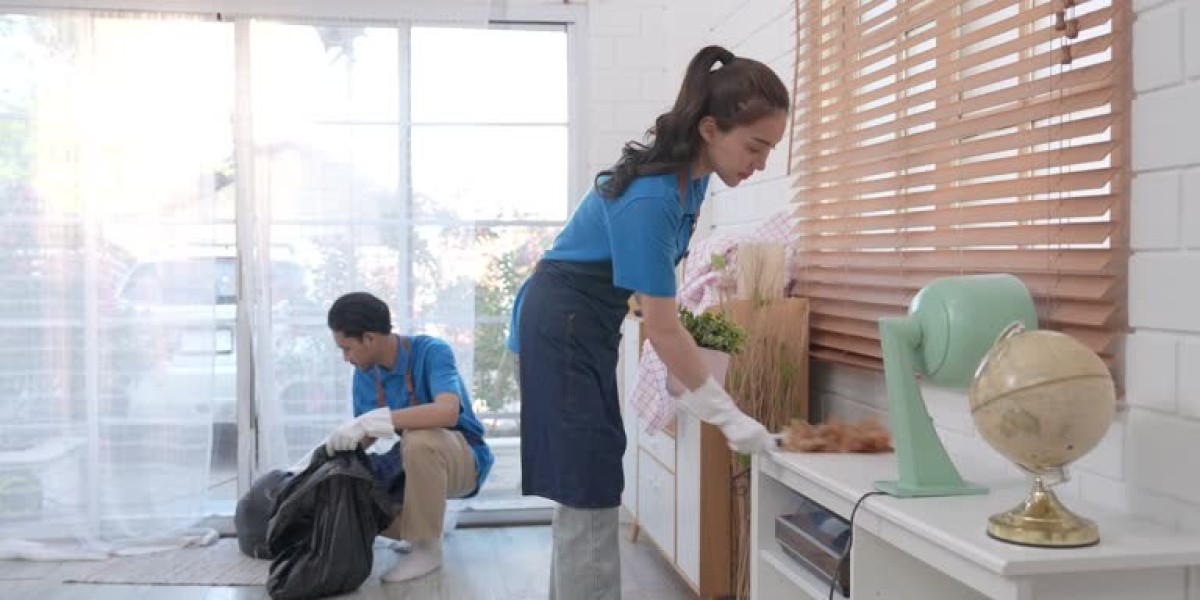

A clean home is easier to enjoy when everyday dust, spills, allergens, and accumulated grime are handled consistently rather than allowed to build up. Residential Cleaning Services in Everett can give homeowners a practical way to maintain cleaner living spaces while reducing the time and effort required for routine household upkeep. Professional assistance can be especially useful for busy families, working professionals, older adults, and households that need a dependable cleaning schedule.
Reliable residential house cleaning, convenient home cleaning services, dependable regular maid services, and practical residential cleaning solutions can help turn cleaning from an occasional burden into a more organized part of home maintenance. The right approach should reflect the size of the property, the number of occupants, the home's surfaces, and the level of cleaning required.
Why Professional Cleaning Makes Homes Healthy
A home collects dirt continuously through everyday activity. Foot traffic brings in particles from outside, kitchens produce grease and food residue, bathrooms develop moisture-related buildup, and frequently touched surfaces require regular attention. Cleaning consistently helps keep these issues under control rather than allowing them to become increasingly difficult to remove.
Professional cleaners can also bring a structured approach to household maintenance. Instead of moving randomly from one task to another, they can work through rooms according to an established priority. This makes it easier to cover floors, surfaces, bathrooms, kitchens, bedrooms, and commonly used areas without overlooking important details.
Build A Cleaning Routine Around Your Home
Every property has different cleaning demands. A household with young children and pets may require more frequent floor and surface care than a home occupied by one person. Similarly, homes with extensive carpeting, multiple bathrooms, or large kitchens may need a different schedule.
A useful cleaning routine begins by identifying the areas that become dirty fastest. High-traffic rooms usually deserve more frequent attention, while less-used spaces may require less frequent service. This approach avoids spending equal time on every room when household conditions clearly vary.
Match Cleaning Frequency To Daily Activity
Cleaning frequency should reflect how a home is actually used. Kitchens may need frequent surface cleaning because food preparation creates residue throughout the week. Bathrooms can also require regular attention because moisture and daily use quickly affect fixtures and floors.
Give High-Traffic Areas Extra Attention
Some parts of a home naturally receive more wear than others. Entryways, hallways, kitchens, family rooms, staircases, and frequently used bathrooms can collect dirt more quickly. These areas often benefit from a consistent cleaning routine.
Floors deserve particular attention because particles can accumulate through foot traffic. Different flooring materials also require different cleaning methods. Hardwood, tile, laminate, vinyl, and carpet should not automatically be treated in the same way. Professional cleaners can identify surface types and use appropriate methods rather than applying a single approach throughout the entire property.
Keep Kitchens Clean Beyond The Counters
Kitchen cleaning involves more than wiping countertops. Food preparation areas can develop grease, crumbs, splashes, and residue around appliances, cabinet fronts, backsplashes, sinks, and floors.
Regular cleaning helps prevent buildup from becoming harder to remove. Appliances that are frequently touched, such as refrigerator handles and microwave controls, also deserve attention.
Focus On Surfaces That Collect Residue
A good kitchen routine should include countertops, stovetops, sinks, cabinet handles, appliance exteriors, and floors. The exact frequency depends on how often the kitchen is used. Spills should be handled promptly because dried food and grease can require more effort later. Cleaning products should also be compatible with the surface being treated. Natural stone, finished wood, stainless steel, and painted surfaces may each have different care requirements. A systematic approach improves consistency and reduces the chance that smaller details will be overlooked.
Maintain Bathrooms With Consistent Care
Bathrooms are exposed to moisture, soap residue, cosmetics, and frequent contact. Without regular cleaning, deposits can accumulate around sinks, faucets, shower areas, toilets, mirrors, and floors.
Routine attention is useful because buildup is generally easier to address when it is fresh. Ventilation also matters because reducing excess moisture can support a cleaner and more comfortable environment.
Cleaning should cover both visible areas and commonly overlooked points, such as handles, switches, edges, corners, and fixtures.
Reduce Dust Through Organized Cleaning
Dust can settle on furniture, shelves, electronics, trim, window areas, and other surfaces. Simply moving dust from one place to another does not provide much benefit, so cleaning methods should capture and remove it effectively.
Soft furnishings can also collect particles over time. Depending on the material, vacuuming or appropriate surface care may help maintain them. Regular dust removal is especially useful in rooms containing many decorative items because cluttered surfaces can make thorough cleaning more difficult.
Create A More Manageable Maintenance Plan!
A consistent approach to residential cleaning solutions can make household maintenance easier by separating routine tasks from occasional detailed cleaning. Homeowners can prioritize high-use areas, establish a realistic schedule, and communicate specific preferences to their cleaning provider.
Professional cleaning should support the way a household actually lives. Discussing priorities, sensitive surfaces, pets, children, preferred products, and areas needing extra attention can help create a more practical service arrangement. The goal is not simply to make a home look clean for one day, but to maintain a comfortable standard over time.
Conclusion
A fresher home usually comes from consistency rather than one occasional cleaning session. Regular attention to high-traffic areas, kitchens, bathrooms, floors, dust-prone surfaces, and frequently touched points can prevent everyday buildup from becoming more difficult to manage.
Professional assistance can reduce the workload while providing a structured approach to household maintenance. The most effective cleaning routine is one that fits the home's size, occupants, lifestyle, and specific cleaning priorities.
FAQs
How often should a home receive professional cleaning?
The ideal frequency depends on household size, lifestyle, pets, children, traffic, and personal preferences. Some homes benefit from weekly service, while others may need less frequent visits.
What areas usually need the most attention?
Kitchens, bathrooms, entryways, living spaces, and high-traffic floors often require frequent cleaning because they experience regular use and accumulate dirt quickly.
Can cleaning services follow specific household preferences?
Many professional providers can discuss priorities such as preferred rooms, sensitive surfaces, pets, cleaning products, and tasks that require additional attention.
Is professional cleaning useful for busy families?
Yes. Professional help can reduce the time household members spend on routine cleaning and allow them to focus on work, family, and other responsibilities.
Should deep cleaning and routine cleaning be scheduled differently?
Usually, yes. Routine cleaning maintains everyday conditions, while deeper cleaning can address accumulated grime, overlooked areas, and tasks that are not needed during every visit.