
Pipeline systems are an important part of many infrastructure and industrial developments. Their performance depends on careful planning, suitable materials, accurate installation, and appropriate maintenance after completion. When underground infrastructure is being developed alongside roads, buildings, and utility networks, proper coordination becomes especially important.
For projects requiring composite pipeline solutions, Grp Pipeline Contractors In Dubai can support different stages of pipeline development while working according to project specifications and site requirements.
Assess the Project Requirements
Before construction begins, project teams should understand the purpose and operating conditions of the proposed pipeline.
Important factors can include:
Type of material being transported
Required pipeline capacity
Operating pressure
Temperature
Pipe diameter
Installation location
Ground conditions
Expected service life
Maintenance requirements
Understanding these requirements provides a foundation for the design and material selection process.
Select Appropriate Pipeline Materials
Different pipeline materials offer different characteristics. The right choice depends on the application's technical requirements, environmental conditions, installation method, and expected operating conditions.
GRP can be considered for applications where corrosion resistance and relatively low component weight are useful.
Material selection should be based on engineering requirements rather than choosing a material simply because it is commonly used.
Plan the Installation Route
The pipeline route should be evaluated carefully before excavation begins. Existing infrastructure can create challenges if it is not identified during the planning stage.
Project teams may need to consider existing:
Roads
Drainage networks
Water systems
Electrical infrastructure
Telecommunications
Pipelines
Buildings
A carefully planned route can help reduce conflicts and make construction more efficient.
Prepare the Site Properly
Site preparation can influence the stability and performance of the installed pipeline.
Depending on the project, preparation may involve excavation, trenching, bedding, access arrangements, and ground preparation.
The installation area should provide suitable support and allow the pipeline to be positioned according to the required alignment.
Handle Pipeline Components Carefully
Pipeline sections can be exposed to potential damage during transportation, storage, lifting, and installation.
Construction teams should establish suitable procedures for handling components throughout the project.
Careful lifting and positioning can help prevent unnecessary damage and ensure that pipeline sections remain suitable for installation.
Focus on Accurate Installation
Correct installation is essential for pipeline performance. Components need to be positioned and connected according to the relevant design and project requirements.
Installation teams should pay attention to:
Alignment
Joint connections
Pipeline support
Elevation
Installation depth
Surrounding ground conditions
Accurate installation can reduce the possibility of problems developing after the system becomes operational.
Protect the Pipeline During Backfilling
After installation and inspection, the surrounding area may need to be restored through backfilling.
Backfilling should provide appropriate support around the pipeline while minimizing the possibility of damage to the installed system.
The process should follow the project's technical requirements and installation procedures.
Test the Completed System
Testing provides an opportunity to evaluate the completed pipeline before commissioning.
The appropriate testing procedure depends on the type of pipeline and its intended use. Testing and inspection can help identify potential issues that need to be addressed before the system becomes operational.
Maintaining appropriate project documentation can also help with future inspections and maintenance.
Coordinate With Road Construction
Pipeline installation can have a direct impact on road infrastructure when pipelines need to cross or run beneath roads.
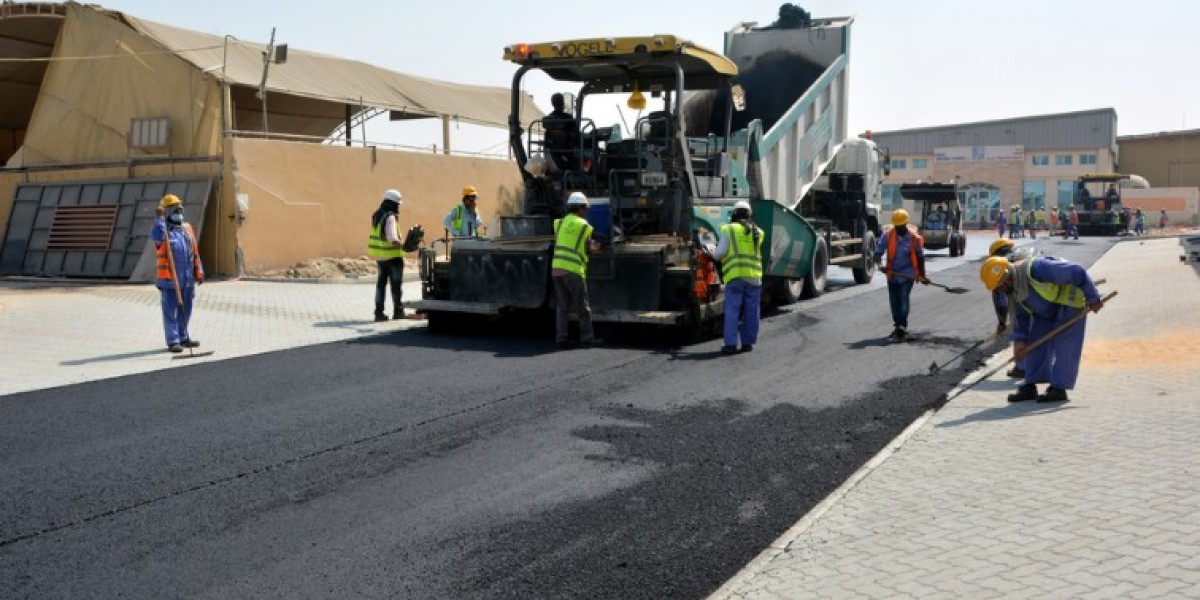
Ideally, underground work should be planned before final road surfacing. This can reduce the need to disturb newly completed pavement.
Coordination with Road Construction Companies In Dubai can help project teams schedule underground and surface activities in the correct sequence.
Reduce Construction Disruption
Pipeline projects can affect traffic, nearby properties, businesses, and other construction activities.
Project teams can reduce disruption through careful scheduling and coordination.
Work can be organized around:
Site preparation
Excavation
Pipeline installation
Inspection
Testing
Backfilling
Surface restoration
Clear coordination can help reduce delays and unnecessary repeated work.
Plan for Maintenance
Pipeline infrastructure should be considered beyond the initial construction stage. Future inspections and maintenance requirements should be considered during project planning.
The appropriate maintenance approach depends on the pipeline's application, material, location, operating conditions, and design.
Keeping accurate records of installation, testing, and maintenance can make future infrastructure management easier.
Consider Future Expansion
Businesses and developers may eventually need additional pipeline connections or increased capacity.
Considering possible future expansion during the initial planning stage can make later modifications easier.
This may include evaluating potential connection points, route accessibility, available capacity, and maintenance access.
Maintain Construction Quality
Quality control should continue throughout the project rather than being limited to the final inspection.
Project teams can monitor material quality, installation accuracy, joint connections, site preparation, testing procedures, and restoration work.
Regular checks can help identify issues while they are still manageable.
Work With Experienced Contractors
Pipeline construction involves multiple technical and logistical requirements. Contractors need to understand the installation environment and the specific requirements of the pipeline system.
When selecting a contractor, project owners can consider relevant experience, technical capabilities, equipment, workforce, safety procedures, and project management practices.
Choosing appropriate project support can help improve coordination throughout construction.
Conclusion
Successful pipeline construction depends on careful planning, suitable materials, accurate installation, proper testing, site coordination, and long-term maintenance. Considering surrounding infrastructure before construction begins can also reduce disruption and unnecessary rework.
When pipeline work involves existing road surfaces, Asphalt Maintenance Companies In Dubai can support the maintenance and restoration of affected pavement areas. Coordinating pipeline construction with road maintenance activities can help protect infrastructure and maintain efficient project execution.