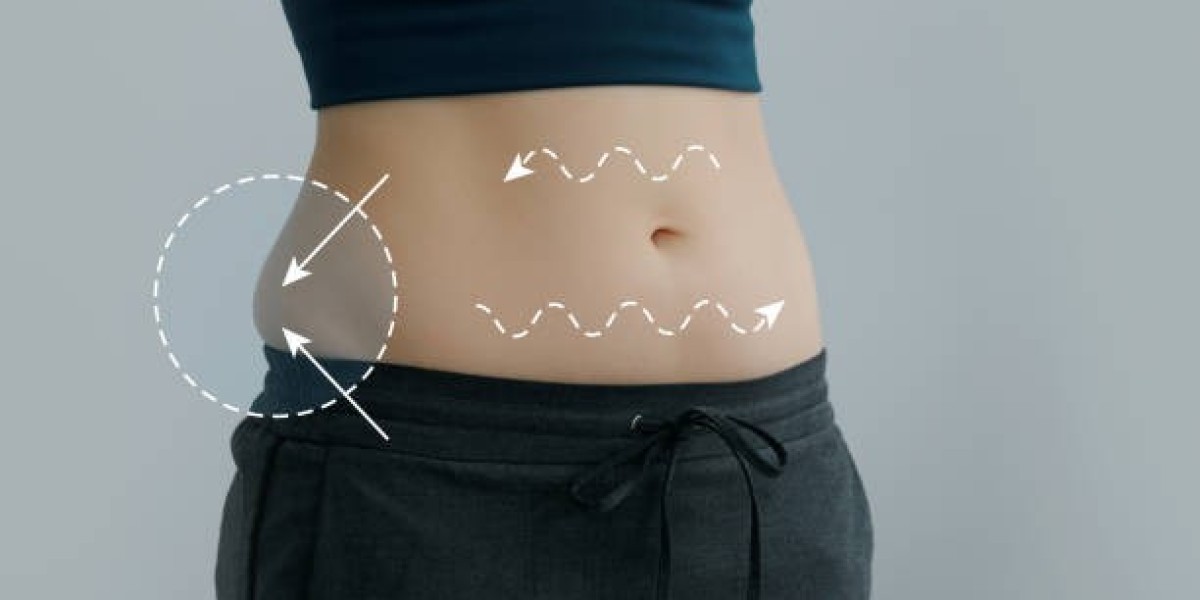

Liposuction and tummy tuck surgery are both used for body contouring, but they address different concerns. Liposuction primarily targets localized fat, while a tummy tuck focuses on excess abdominal skin and may address weakened or separated abdominal muscles. Understanding these differences is important for anyone researching Liposuction in Riyadh, particularly when trying to determine which procedure may better match a specific abdominal concern.
What Is Liposuction?
Targeting Localized Fat
Liposuction is a surgical procedure designed to remove selected deposits of subcutaneous fat. A thin cannula is used to extract fat from carefully planned areas, helping refine the body's contours. It may be considered for areas such as the abdomen, waist, hips, thighs, arms, or back.
Focusing on Body Contouring
The main purpose of liposuction is to improve body shape by reducing localized fat. It does not directly remove significant amounts of loose skin or repair abdominal muscle separation. This makes it different from procedures that primarily address excess tissue or abdominal laxity.
What Is a Tummy Tuck?
Removing Excess Skin
A tummy tuck, medically known as abdominoplasty, is designed to remove excess skin from the abdominal area. It may be suitable for people who have significant skin laxity following pregnancy, major weight changes, aging, or other factors.
Addressing Abdominal Tissue
Depending on the individual's needs, a tummy tuck may also involve tightening or repairing separated abdominal muscles. The exact surgical approach varies according to the patient's anatomy and the type of abdominoplasty being performed.
The Main Difference Between the Procedures
Fat vs. Excess Skin
The simplest distinction is what each procedure primarily targets. Liposuction removes localized fat, while a tummy tuck removes excess abdominal skin and may address underlying abdominal muscle laxity. Some patients have only one of these concerns, while others may have both.
Different Contouring Goals
Liposuction is generally focused on refining areas affected by localized fat. A tummy tuck is more focused on improving the abdominal contour when loose skin and tissue laxity are significant concerns. A consultation can help determine which issue is contributing most to the appearance you want to change.
When Might Liposuction Be Considered?
Localized Abdominal Fat
If the primary concern is a relatively defined pocket of abdominal fat and the skin has adequate elasticity, liposuction may be considered. Removing carefully selected fat can create a smoother and more proportionate abdominal contour.
Good Skin Elasticity
Skin elasticity plays an important role in the outcome of liposuction. When the skin can adapt well to the reduction in underlying fat, it may contract naturally during healing. Significant loose skin, however, may require a different approach.
When Might a Tummy Tuck Be Considered?
Significant Loose Skin
People with substantial excess abdominal skin may require more than fat removal. A tummy tuck can remove selected excess skin and reposition the remaining tissue to create a firmer-looking abdominal contour.
Abdominal Muscle Separation
Pregnancy or substantial changes in body size can sometimes contribute to separation or laxity of the abdominal muscles. When clinically appropriate, a tummy tuck may address this issue as part of the surgical plan. Liposuction alone does not repair separated abdominal muscles.
Can the Procedures Be Combined?
Addressing Multiple Concerns
Some patients have both localized abdominal fat and significant loose skin. In selected cases, liposuction and tummy tuck surgery may be performed as part of a coordinated treatment plan. Liposuction can address targeted fat while the tummy tuck addresses excess skin and, when appropriate, abdominal tissue concerns.
Individual Planning Is Essential
Combining procedures is not appropriate for everyone. The surgeon must consider overall health, the extent of treatment, skin quality, fat distribution, surgical goals, and other relevant factors. A personalized assessment is necessary before determining whether combined treatment is suitable.
Comparing Recovery
Liposuction Recovery
Liposuction recovery can involve swelling, bruising, tenderness, and temporary changes in sensation. The extent of recovery depends on the number and size of areas treated. Patients may receive instructions about compression garments, activity, wound care, and follow-up appointments.
Tummy Tuck Recovery
A tummy tuck generally involves a more extensive recovery because it involves removal and repositioning of abdominal tissue and may include muscle repair. Temporary swelling, tightness, discomfort, and restricted movement can occur during the healing period.
Recovery Depends on the Procedure
Neither recovery timeline should be assumed to be identical for every patient. The extent of surgery, individual healing, overall health, and whether procedures are combined can all influence recovery. Your surgical team should provide personalized postoperative guidance.
What About Scarring?
Liposuction Incisions
Liposuction generally involves small access points that can leave small scars. Their appearance varies depending on factors such as incision placement, skin characteristics, and individual healing.
Tummy Tuck Incision
A tummy tuck requires a larger incision to remove excess abdominal skin. The resulting scar is an important part of the consultation, and the surgeon can explain its expected location, appearance, and care during recovery.
How Are Results Different?
Liposuction Results
After Liposuction in Riyadh, the treated areas may gradually develop a more defined contour as swelling decreases. The final appearance depends on factors including the amount of fat removed, skin elasticity, body proportions, and healing.
Tummy Tuck Results
A tummy tuck can create a flatter and firmer-looking abdomen by addressing excess skin and, when appropriate, abdominal muscle laxity. The final result also develops gradually as swelling subsides and tissues heal.
Which Procedure Addresses Loose Skin?
Understanding the Difference
If excess skin is the primary concern, liposuction alone may not provide the desired correction. Removing fat from beneath significantly loose skin does not remove the excess skin itself. A tummy tuck may therefore be discussed when substantial abdominal laxity is present.
Assessment Makes the Difference
The same abdominal appearance can have different underlying causes. During a consultation, the surgeon can assess the amount of fat, skin elasticity, tissue laxity, and abdominal muscle condition. This helps determine whether liposuction, a tummy tuck, or another approach may be appropriate.
What Should You Consider Before Choosing?
Your Main Concern
Start by identifying what you want to improve. If localized fat is the main issue, liposuction may be discussed. If loose skin or abdominal muscle separation is more significant, a tummy tuck may be more relevant.
Your Expectations and Health
Your overall health, medical history, future plans, skin condition, and desired outcome should also be considered. A qualified surgeon can explain the potential benefits, limitations, risks, and recovery requirements associated with each procedure.
Book Your Appointment at Royal Clinic Saudia
If you are unsure whether localized fat or excess abdominal skin is responsible for your concern, a professional consultation can provide personalized guidance. Book an appointment with Royal Clinic Saudia to discuss your goals, compare suitable body-contouring options, and understand whether Liposuction in Riyadh may be appropriate for your needs.