
The ears contribute to the overall harmony of the face and side profile. When their position, shape, or projection does not match a person's preferred appearance, it can become a noticeable cosmetic concern. Ear Reshaping in Islamabad is a surgical option that can address selected structural features of the outer ear and create a more balanced appearance.
Often known as otoplasty, ear reshaping is not limited to one particular type of correction. The treatment can be adapted according to the patient's ear anatomy, the degree of projection, cartilage formation, and the specific improvement being requested.
What Makes Ears Look Prominent?
Several structural factors can make ears appear more noticeable. The angle between the ear and the head may be wider than usual, or certain cartilage folds may not be sufficiently defined. Differences in cartilage shape can also affect the way the ear appears from the front or side.
In some cases, the concern may involve only one ear. In others, both ears may have a similar characteristic.
A proper evaluation helps identify whether the main issue involves positioning, contour, proportion, or a combination of these factors.
Can Ear Shape Be Improved Without Losing a Natural Appearance?
Natural-looking results are an important consideration in cosmetic ear surgery. The objective is generally to make appropriate structural adjustments rather than create an obviously altered appearance.
The surgeon may work with existing cartilage to improve its contour or modify the relationship between the ear and the head. The amount of correction depends on the starting anatomy.
For people exploring Ear Reshaping in Islamabad, discussing the desired level of change during consultation can help establish a realistic treatment plan.
What Happens Before Surgery?
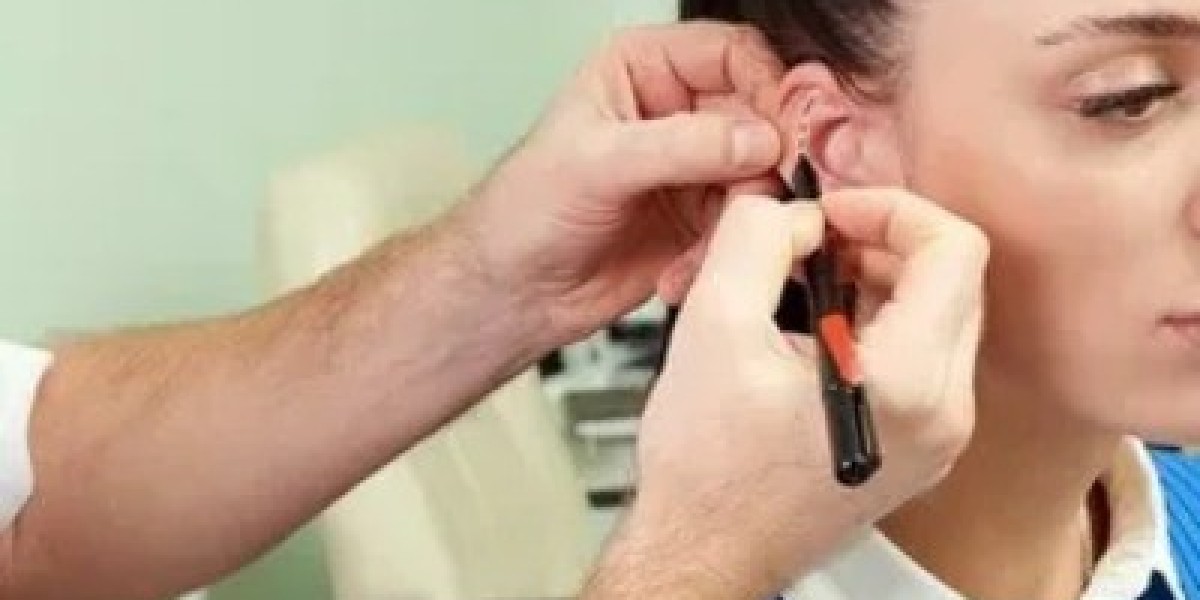
Preparation begins with a detailed consultation. The ears may be examined from several angles to understand their structure and symmetry.
The surgeon may ask about previous injuries, surgeries, medical history, and any concerns related to healing. The patient's expectations are also important because they help determine whether the requested changes are realistic.
Photographs may be taken as part of the assessment and planning process. These can help document the original appearance and assist with discussing the proposed correction.
How Is Ear Cartilage Reshaped?
Cartilage is the main structural component responsible for much of the ear's form. During otoplasty, selected cartilage areas can be carefully modified to achieve the desired contour.
Depending on the case, the surgeon may create a more defined fold, adjust excessive projection, or reposition part of the ear. Different techniques can be used for different anatomical concerns.
The exact surgical method should be determined after examination rather than selected solely from photographs or general descriptions.
What Should Patients Expect During Healing?
The early recovery period can include swelling, tenderness, bruising, and temporary sensitivity. These effects usually change as the healing process progresses.
Protecting the ears during recovery is important. Patients may receive instructions concerning sleeping positions, physical activity, wound care, and avoiding unnecessary pressure on the treated area.
Recovery timelines can vary, so individual postoperative instructions should always take priority over general information.
How Long Does It Take to See the Result?
The ears can look different soon after surgery, but the initial appearance may be influenced by swelling and healing tissues. Gradual changes can occur as the ears settle.
Patients should allow adequate time for recovery before making judgments about the final appearance. Follow-up appointments can also help monitor healing and address questions that arise during recovery.
Can Adults Have Ear Reshaping?
Ear reshaping is not limited to one age group. Adults may consider the procedure when they remain dissatisfied with the appearance of their ears or when a structural concern has become more noticeable to them over time.
Suitability depends on individual circumstances rather than age alone. A consultation can help determine whether the procedure is appropriate.
What Are the Possible Limitations?
Like other surgical procedures, ear reshaping has limitations and potential risks. These can include infection, bleeding, scarring, changes in sensation, asymmetry, cartilage irregularities, or an outcome that differs from expectations.
There is also no guarantee that both ears will become perfectly identical. Natural asymmetry is common, and the aim is generally to create a balanced improvement.
Understanding these possibilities before treatment allows patients to make an informed decision.
Why Explore Enfield Royal Clinic in Islamabad?
People researching Enfield Royal Clinic in Islamabad can use a consultation to learn how their particular ear concerns might be addressed. Individual assessment is especially important because the appropriate technique depends on the existing anatomy.
During consultation, patients can discuss their preferred outcome, the proposed surgical approach, recovery requirements, and potential limitations. Clear information can make the treatment process easier to understand.
Final Thoughts
Ear Reshaping in Islamabad can help address concerns involving ear projection, cartilage contours, positioning, and visible asymmetry. The procedure is personalized because ear anatomy varies considerably between individuals.