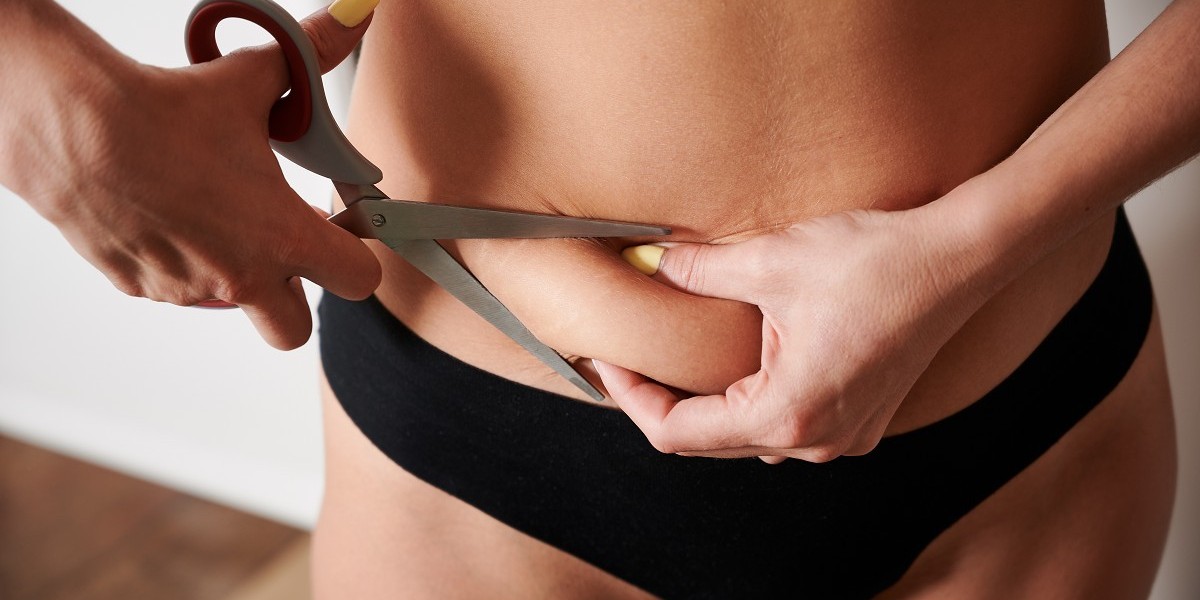

Liposuction in Islamabad, Pakistan is a cosmetic procedure used to remove localized pockets of excess fat that may not respond well to diet and exercise. It is primarily a body-contouring treatment rather than a weight-loss procedure. Areas commonly treated include the abdomen, thighs, arms, hips, back, chin, and other areas where stubborn fat has accumulated.
A consultation with a qualified plastic surgeon helps determine whether liposuction is appropriate and which surgical technique, anesthesia option, and treatment plan best suit the individual.
What Is Liposuction?
Liposuction, also called suction-assisted liposuction, uses a thin cannula to loosen and remove excess fat from selected areas of the body. The surgeon makes small incisions and carefully moves the cannula through the targeted fat layer while applying controlled suction.
The goal is targeted fat removal and improved body contours. Liposuction does not replace healthy eating, regular exercise, or medical treatment for obesity. It also cannot correct every cause of a prominent abdomen or loose skin.
Who May Consider Liposuction?
Liposuction may be considered by adults who have localized fat deposits and realistic expectations about what the procedure can achieve. Common treatment areas include:
Abdominal liposuction and belly fat
Arm liposuction
Thigh liposuction
Chin and neck
Hips and flanks
Back and waist
Male chest in selected cases
Multiple areas during one treatment plan
A medical history review is an important part of the consultation. The surgeon may ask about previous operations, medications, allergies, smoking, medical conditions, weight changes, and previous anesthesia experiences.
Liposuction Procedure and Techniques
Several liposuction techniques are available, and the choice depends on the treatment area, amount of fat, skin quality, and individual circumstances.
Tumescent Liposuction
Tumescent liposuction involves injecting a solution into the treatment area before fat removal. The solution can help reduce bleeding and discomfort during the procedure.
Laser Liposuction and Smart Lipo
Laser-assisted techniques use laser energy in addition to conventional fat removal. These methods may be considered in selected cases, but they are not automatically better for every patient. The surgeon should explain the potential benefits and limitations of the chosen technique.
Drainless Liposuction
Some modern liposuction approaches may not require postoperative drains. Whether a drainless approach is appropriate depends on the extent of surgery and the surgeon's technique. It should not be considered a universal option.
Mini Liposuction and 360 Liposuction
Mini liposuction can focus on a relatively small area, while liposuction 360 generally refers to contouring around the torso, such as the abdomen, waist, flanks, and back. Treating multiple areas requires careful planning to maintain appropriate safety limits.
Anesthesia Options
The anesthesia used for liposuction depends on the size and location of the procedure. Options can include local anesthesia, sedation, or general anesthesia. In selected circumstances, other approaches such as epidural anesthesia may be considered.
The surgeon and anesthesia professional determine the safest option after reviewing the planned procedure and the patient's medical history. Patients should understand what type of anesthesia will be used and what preparation is required beforehand.
Liposuction vs Tummy Tuck
Liposuction and a tummy tuck address different problems.
Liposuction primarily removes localized fat. It can improve body contours but does not remove significant amounts of loose abdominal skin.
A tummy tuck, also called abdominoplasty, removes excess skin and may tighten separated abdominal muscles when clinically appropriate. Some patients may undergo both procedures when they have excess fat as well as loose skin.
Therefore, the choice between liposuction and a tummy tuck depends on the patient's skin quality, fat distribution, abdominal structure, and desired outcome.
Liposuction Before and After
Liposuction before and after photos can help patients understand the type of contouring that may be possible. However, photographs should be viewed carefully because results vary according to body shape, skin elasticity, fat distribution, technique, and healing.
For example, liposuction before and after belly treatment may show a more defined abdominal contour, but it does not mean every patient will develop the same appearance.
A consultation should focus on realistic expectations rather than comparing one person's results directly with another's.
Liposuction Recovery Time
Liposuction recovery varies depending on the number of areas treated and the extent of surgery. Swelling, bruising, tenderness, and temporary numbness are common during the early recovery period.
Many patients can gradually return to routine activities as healing progresses, but strenuous exercise and heavy lifting may need to be restricted for a period recommended by the surgical team.
A typical recovery timeline may include:
First few days: Rest, prescribed pain management, and close attention to postoperative instructions.
First few weeks: Swelling and bruising gradually decrease, while light activity may be increased according to medical advice.
Following weeks and months: Body contours continue to settle as residual swelling resolves.
The exact liposuction recovery time should be discussed during the consultation because it differs from person to person.
Liposuction Scars and Aftercare
Liposuction requires small access points for the cannula, so some scarring is expected. These scars are generally positioned where possible to make them less noticeable, but their final appearance depends on individual healing.
Aftercare instructions may include wearing a compression garment, keeping the incision areas clean, attending follow-up appointments, taking prescribed medication correctly, and gradually returning to normal activity.
The surgical team may also provide specific diet recommendations and instructions for managing swelling and discomfort.
Liposuction Side Effects and Risks
Like any surgical procedure, liposuction has potential side effects and complications. Temporary swelling, bruising, soreness, numbness, and fluid accumulation can occur.
Less common but more significant complications may include infection, bleeding, contour irregularities, changes in skin sensation, blood clots, or anesthesia-related complications.
The risk can depend on the patient's health, the amount of fat removed, the number of treatment areas, and the surgical technique. A qualified plastic surgeon should explain the risks and benefits before treatment.
What About Liposuction for Lipedema?
Liposuction may have a role in the management of lipedema for selected patients, but lipedema is a medical condition and should not be treated as ordinary cosmetic fat.
Patients with suspected lipedema need an appropriate medical assessment. Treatment decisions may involve specialists familiar with the condition, and the technique and treatment plan can differ from standard cosmetic liposuction.
Maintaining Liposuction Results
Liposuction permanently removes many of the fat cells treated during surgery, but remaining fat cells can still enlarge with significant weight gain. Maintaining a stable weight through balanced nutrition and regular exercise can help preserve the body's contours.
Liposuction should therefore be viewed as one part of a broader approach to body contouring rather than a substitute for a healthy lifestyle.
Liposuction Cost in Islamabad
The liposuction cost depends on several factors, including the treatment area, number of areas, amount of excess fat, surgical technique, anesthesia, facility charges, and postoperative care.
For example, the liposuction cost for the stomach may differ from arm or thigh treatment, while multiple-area or 360 liposuction generally requires a different surgical plan.
At Royal Cosmetic Surgery, the listed starting prices for selected liposuction treatments include:
Treatment Area | Starting Price |
Chin | PKR 150,000 |
Legs | PKR 190,000 |
Thighs | PKR 220,000 |
Arms | PKR 170,000 |
Liposuction + Tummy Tuck | PKR 400,000 |
Liposuction + Gynecomastia | PKR 190,000 |
These figures should be confirmed during consultation because the final fee can depend on the treatment plan and associated services.
Consultation and Choosing a Surgeon
Someone searching for “liposuction near me” should look beyond location and consider the surgeon's qualifications, experience with the relevant treatment area, surgical facility, anesthesia arrangements, and approach to patient safety.
During consultation, the surgeon should assess the patient's body shape, skin elasticity, fat distribution, medical history, and expectations. The consultation is also an opportunity to ask about procedure duration, anesthesia, recovery, scars, complications, aftercare, and expected results.
Final Thoughts
Liposuction can provide targeted body contouring for people with localized fat deposits, but it is not a replacement for weight management or exercise. Understanding the procedure, available techniques, recovery process, risks, and total cost helps patients make informed decisions.
A detailed consultation remains the most appropriate way to determine whether abdominal, arm, thigh, male, breast, or multiple-area liposuction is suitable for an individual.