
Home design in 2026 is becoming more focused on comfort, practical use, wellness, sustainability, and personal expression. Instead of creating rooms mainly for appearance, homeowners are looking for spaces that work well with everyday routines.
Current home design coverage shows growing interest in natural materials, flexible rooms, wellness-focused spaces, better storage, smart technology, and designs that can adapt to changing household needs. In India, designers are also seeing stronger interest in warm colors, multifunctional furniture, natural materials, and spaces that support daily wellbeing.
This does not mean homeowners need to renovate an entire property to follow current trends. Small changes to lighting, furniture, storage, colors, and organization can make a noticeable difference. The most useful approach is to choose improvements that suit the home's size, budget, climate, and the way the household actually lives.
Flexible Spaces Are Becoming More Useful
Homes are being designed around multiple activities. A room may serve as a workspace during the day, a study area in the evening, and a relaxing space later. This is especially useful for apartments and smaller homes where every square meter matters.
Current 2026 design reports point to multifunctional interiors, modular furniture, sliding partitions, and flexible layouts as practical responses to changing lifestyles.
Instead of assigning one permanent purpose to every room, homeowners can make spaces easier to adapt.
Some practical ideas include:
Using a desk that can double as a study table
Choosing sofas that provide additional sleeping space
Adding movable storage units
Using folding or extendable dining tables
Installing sliding panels where suitable
Creating a small work corner instead of a separate office
Using furniture with built-in storage
Flexible design can also make a home easier to adapt as household needs change. A children's study area may later become a home office, hobby corner, or reading space.
This approach can reduce the need for frequent renovations. It also encourages homeowners to consider how furniture moves through a room and whether each item serves a useful purpose.
Storage is another major part of flexible home design. Built-in cabinets, under-bed storage, wardrobes, and organized kitchen systems can reduce clutter while keeping frequently used items accessible.
The goal is not to hide everything. A practical home should make everyday activities easier rather than requiring constant rearrangement.
Natural Materials and Personal Style Are Gaining Attention
Home interiors are moving toward materials and colors that create a more comfortable everyday setting. Natural wood, stone, clay, cane, bamboo, textured fabrics, and handmade objects are appearing more frequently in 2026 design discussions.
Warm neutrals and nature-inspired colors are also being used in place of interiors that rely entirely on cool white or gray tones. These choices can make rooms feel more connected and comfortable without requiring major structural changes.
Homeowners can introduce natural elements through:
Wooden furniture
Cotton or linen textiles
Cane or rattan accessories
Ceramic objects
Indoor plants
Natural stone surfaces
Handcrafted decorations
Earth-inspired wall colors
Handmade products can also give a home a more personal character. Locally produced ceramics, woven textiles, artwork, and furniture can reflect regional craftsmanship while reducing reliance on generic decorative products.
Personal style is becoming more important as well. Recent 2026 home design coverage describes a move away from homes that look identical and toward interiors that reflect the people living in them.
This can be as simple as displaying family photographs, books, travel memories, artwork, or objects with personal meaning.
A home does not need to follow one design style from beginning to end. Mixing older furniture with newer pieces can often create a more natural result than replacing everything at once.
The key is balance. Too many colors, patterns, or decorative objects can make a room difficult to maintain. Selecting a few items that genuinely fit the space can create a more comfortable result.
Wellness and Smart Home Features Are Becoming Practical
Wellness is becoming part of home planning rather than something reserved for dedicated luxury spaces. Designers are paying greater attention to natural light, ventilation, air quality, comfortable layouts, quiet areas, and spaces for relaxation.
Good ventilation is particularly important because indoor air can contain moisture and pollutants from cooking, cleaning products, furnishings, and other sources. Proper ventilation can help manage humidity and improve indoor air quality.
Simple home improvements can include:
Keeping windows open when outdoor conditions allow
Maintaining ventilation systems
Allowing more natural daylight into rooms
Using suitable curtains to control heat and glare
Creating a quiet reading or relaxation area
Keeping bedrooms comfortable and uncluttered
Maintaining indoor plants where appropriate
Cleaning filters in relevant appliances regularly
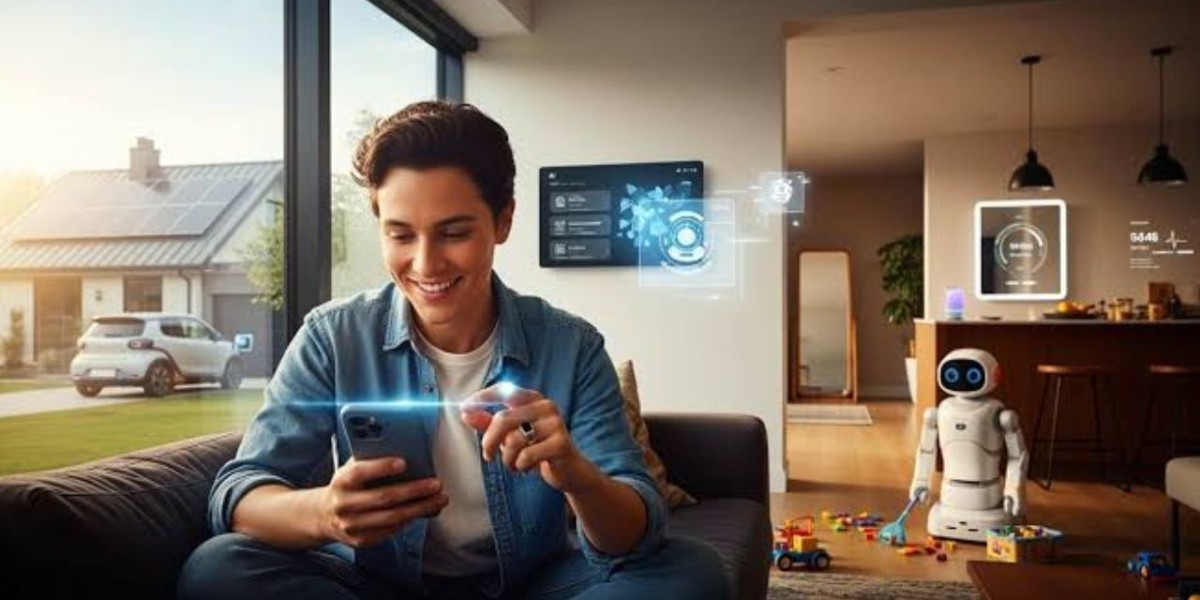
Smart technology is also becoming more useful when it solves an actual household problem. Energy monitoring, automated lighting, smart security, and climate controls can help homeowners manage their homes more efficiently. Indian residential design discussions in 2026 also highlight smart lighting, energy monitoring, security systems, and automated controls.
However, smart technology should not be added simply because it is fashionable. A device is useful when it saves time, improves convenience, or provides information that helps manage the home.
Energy efficiency is another area receiving attention. Efficient lighting, appliances, insulation, solar systems where practical, and better control of heating or cooling can reduce household energy use.
The best improvements depend on local climate and property type. A solution suitable for a cold climate may not make sense in a hot and humid region.
Sustainable and Long-Lasting Home Choices
Sustainability is becoming more closely connected to durability and long-term value. Homeowners are increasingly considering whether furniture and materials can last, be repaired, reused, or adapted instead of being replaced quickly.
Recent 2026 design coverage highlights durable furniture, reclaimed materials, recycled products, and design choices that support longer product life.
Responsible home choices can include:
Repairing furniture instead of replacing it
Choosing durable materials for frequently used areas
Reusing suitable furniture in another room
Buying secondhand or restored pieces
Selecting energy-efficient appliances
Reducing unnecessary decorative purchases
Using refillable household products where practical
Considering maintenance requirements before buying
Sustainability does not always require expensive products. Keeping furniture in use for longer can be more practical than regularly replacing inexpensive items.
Homeowners can also reduce waste during renovations by planning measurements carefully and selecting materials that are suitable for the intended space. Buying too much paint, flooring, tiles, or decorative material can create unnecessary waste.
The kitchen and bathroom deserve particular attention because they are used frequently. Durable surfaces, useful storage, good ventilation, water-saving fixtures, and easy-to-clean materials can improve everyday convenience.
Home design is increasingly about making the property work better rather than simply making it look new.
Lifestyle products may sometimes appear alongside home-related content on digital platforms. For example, Oxbar Vape Flavor can occur in general consumer searches, but it is unrelated to home design and should not be presented as a home improvement product or household wellness solution.
Likewise, Oxbar Vape has no established role in home renovation, interior design, or household maintenance. Keeping unrelated consumer products separate from home advice helps readers identify practical information more easily.
Conclusion
Home trends in 2026 are increasingly centered on comfort, flexibility, personal style, wellness, sustainability, and useful technology. Current design research and industry reporting show that homeowners are looking for spaces that support real daily routines rather than interiors created only for appearance.
A comfortable home does not require a complete renovation. Better storage, flexible furniture, natural materials, improved lighting, ventilation, and thoughtful organization can make everyday life easier.
Sustainable choices can also begin with simple habits. Repairing furniture, buying durable products, reducing waste, and choosing efficient appliances can provide long-term value without requiring major changes.
For homeowners planning updates in 2026, the most useful approach is to focus on how a space is actually used. Trends can provide ideas, but practical needs, budget, climate, household size, and personal preferences should guide the final decisions.
Oxbar Astro Maze 50k is a consumer product term unrelated to home design and should not be presented as a home, interior, gardening, or household wellness trend.