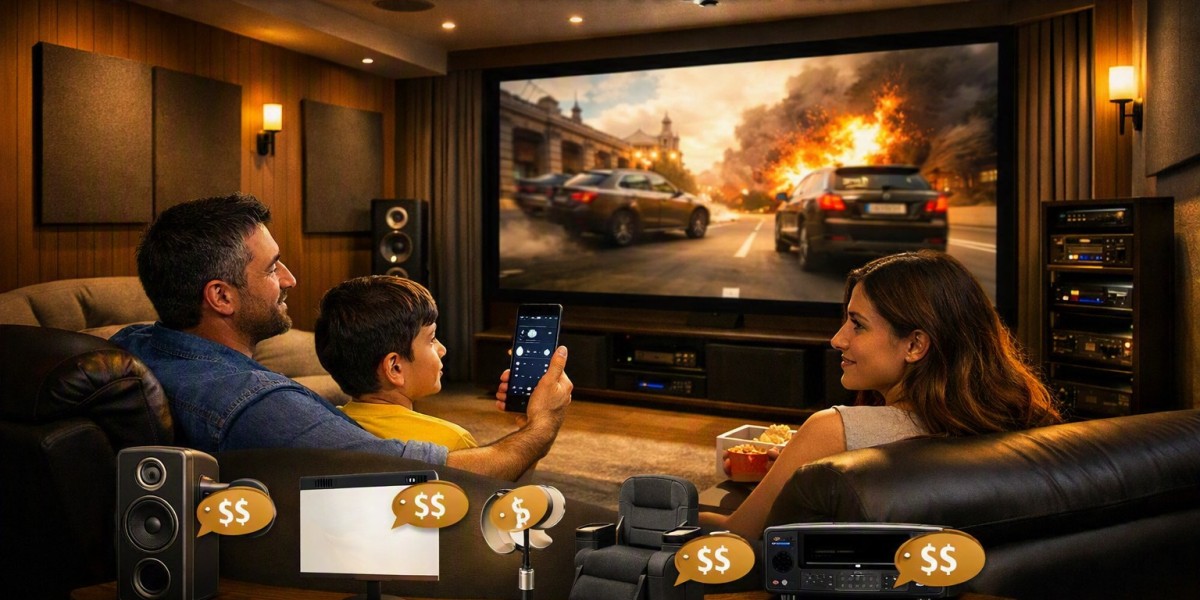

Planning home theater Solutions dubai for a home involves more than choosing a TV and speakers. The total cost can change depending on the room, equipment, sound system, display type, furniture, wiring, and installation work. A small entertainment room may only need a few basic components, while a dedicated cinema room may require more equipment and preparation.
There is no single price that applies to every home. Understanding the main cost factors can make it easier to plan a system that fits the available space and budget.
Room Size and Layout
The size and shape of the room can affect the equipment needed. A small room may work well with a compact sound system and medium-sized display. A larger room may require additional speakers, a larger screen, and more powerful audio equipment.
Room layout also matters. Seating distance, speaker positions, windows, doors, and wall surfaces can influence how the system is arranged. If the room is being built specifically for entertainment, these details can be considered before installation.
Display Options
The display is often one of the main parts of the budget. Home theater setups can use a large television or a projector with a screen.
A television can be easier to install and may require less room preparation. A projector setup can provide a larger viewing area, but the total cost may include the projector, screen, mounting equipment, and suitable lighting conditions.
The right option depends on viewing distance, room size, personal preference, and how the room will be used.
Sound System and Speakers
Audio equipment can make a noticeable difference to the overall cost. A basic setup may use a soundbar or a small speaker system, while a dedicated theatre room may use several speakers positioned around the seating area.
A surround sound system can include front, centre, rear, and subwoofer speakers. More advanced systems may also include ceiling speakers for additional audio channels.
The number and type of speakers should match the room instead of simply choosing the largest system available.
AV Receiver and Other Equipment
An AV receiver connects different parts of the home theatre system and manages audio and video signals. Its features can include support for multiple inputs, surround sound formats, and different display connections.
Other equipment may include media players, streaming devices, gaming consoles, Blu-ray players, and network equipment. The final cost depends on which devices are required and how many need to be connected.
Wiring and Installation
Cables are another part of the overall setup. A simple installation may need only a few visible connections, while a dedicated theatre room may require cables to run through walls, ceilings, or furniture.
Installation costs can increase when existing walls need to be opened or additional electrical work is required. Planning cable routes before the room is finished can help keep the installation cleaner and reduce unnecessary changes later.
Lighting and Room Conditions
Lighting can affect the viewing experience, especially when a projector is used. Bright windows or strong ceiling lights may reduce picture visibility.
Some home theatre rooms use dimmable lights or separate lighting zones. Curtains or blinds may also be useful when controlling natural light.
Room surfaces can affect sound as well. Large bare walls and hard floors can create unwanted reflections. Rugs, curtains, furniture, and suitable acoustic materials can help manage sound inside the room.
Seating and Furniture
Seating is another cost that is easy to overlook when planning a theatre room. Some homeowners use normal sofas, while others choose dedicated cinema seats.
The number of seats, available space, furniture material, and additional features can all affect the budget. A practical seating arrangement should also leave enough space for people to move around comfortably.
Smart Controls
Some home theatre systems include smart controls for lights, audio, video, curtains, and other devices. A single control system can make it easier to manage several parts of the room.
However, smart controls are not necessary for every setup. A simple remote-based system may be enough for a smaller room, while a larger dedicated theater may benefit from more integrated controls.
What Can Change the Final Cost?
The final cost can change based on several factors, including:
- Room size and existing condition
- Television or projector choice
- Number and quality of speakers
- AV receiver and source devices
- Cable length and installation method
- Electrical requirements
- Acoustic treatment
- Lighting and window control
- Seating and furniture
- Smart home integration
- Installation complexity
For this reason, comparing systems only by equipment price may not give a complete picture. The installation requirements and room preparation can also contribute significantly to the overall budget.
Planning a Practical Budget
A useful approach is to decide how the room will be used before selecting equipment. Someone who mainly watches films and television may need different equipment from someone who also uses the room for gaming, music, or sports.
It can also help to divide the budget into categories such as display, audio, installation, room preparation, seating, and optional controls. This makes it easier to identify which features are essential and which can be added later.
When comparing home theater Solutions dubai , looking at the complete setup rather than a single equipment price gives a clearer idea of what the project may require.