
Your vehicle’s braking system is one of its most important safety components. Whether you drive to work every day, transport your family, or take long road trips, reliable brakes are essential for controlling your vehicle and stopping safely. Brake repair and replacement services help identify worn or damaged components before they become serious safety problems.
From brake inspections and pad replacement to rotor repairs and complete brake system service, professional technicians can keep your vehicle’s braking system working properly and help prevent unexpected breakdowns.
What Are Brake Repair and Replacement Services?
Brake repair and replacement services cover the inspection, maintenance, repair, and replacement of components within your vehicle’s braking system. Depending on the vehicle and the problem, service may include replacing brake pads, repairing or replacing rotors, servicing calipers, changing brake fluid, or addressing problems with brake lines and other hydraulic components.
A professional brake inspection can determine whether your vehicle needs a simple adjustment or more extensive repairs. Addressing brake problems early can also help prevent additional damage to related components.
Common Signs You Need Brake Repair
Brake problems do not always appear suddenly. Your vehicle may provide several warning signs that indicate the braking system needs attention.
Squealing or Grinding Noises
A high-pitched squealing sound when braking can indicate worn brake pads. A grinding noise may occur when friction material has worn away and metal components are contacting each other. Grinding should be inspected promptly because continued driving can increase damage.
Vehicle Pulling When Braking
If your vehicle pulls to one side when you apply the brakes, the cause may involve uneven brake wear, a sticking caliper, hydraulic issues, or other suspension and braking components. A technician should diagnose the specific cause.
Vibrations or Pulsations
A steering wheel or brake pedal that vibrates during braking can indicate issues with the brake rotors or other components. Professional inspection can determine whether the rotors can be serviced or need replacement.
Soft or Spongy Brake Pedal
A brake pedal that feels unusually soft, spongy, or sinks farther than normal can indicate a hydraulic or brake-fluid-related problem. Because braking performance can be affected, this symptom should not be ignored.
Longer Stopping Distance
If your vehicle takes longer than usual to stop, the braking system should be inspected as soon as possible. Worn pads, contaminated brake fluid, damaged components, or other mechanical issues can contribute to reduced braking performance.
Brake Pad Replacement
Brake pads are designed to wear over time because they create friction against the brake rotors to slow your vehicle. How long brake pads last depends on driving habits, vehicle type, traffic conditions, brake materials, and other factors.
During brake pad replacement, technicians typically inspect the pads, rotors, calipers, and related components. Replacing pads before they become excessively worn can help protect the rotors and maintain consistent braking performance.
Using the correct brake pad type for your vehicle is also important. Depending on the vehicle and application, options may include ceramic, semi-metallic, or other friction materials.
Brake Rotor Repair and Replacement
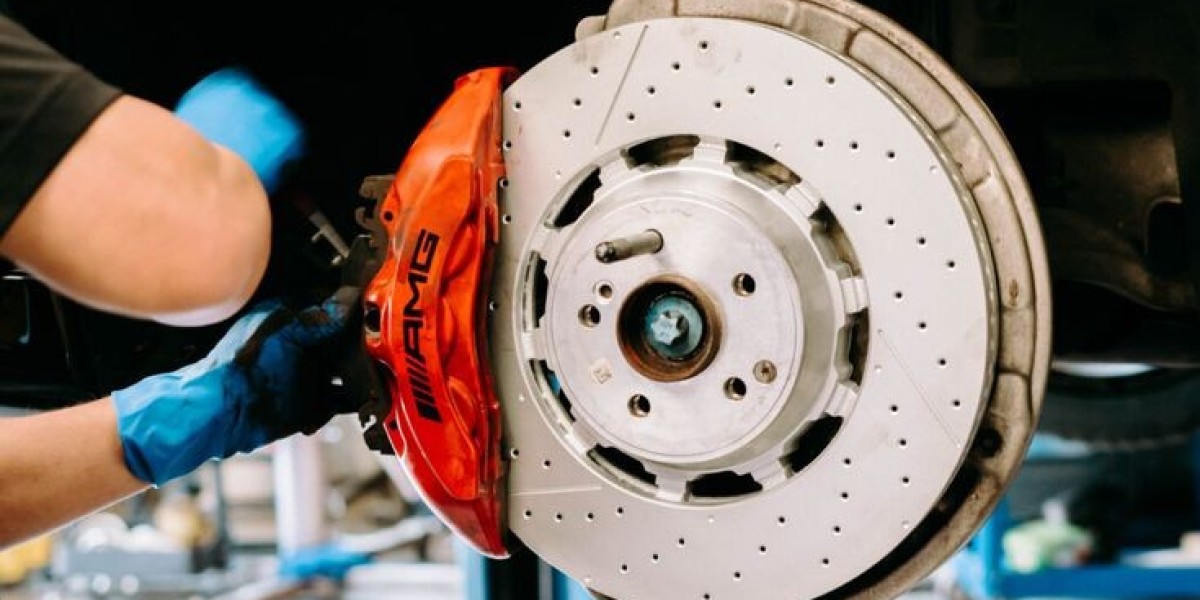
Brake rotors work with the brake pads to create the friction necessary to slow the vehicle. Over time, rotors can become worn, scored, warped, or damaged.
A technician can measure rotor condition and determine whether resurfacing or replacement is appropriate. If rotors are below the manufacturer's specifications or have significant damage, replacement may be necessary.
Replacing brake pads and properly servicing the rotors can help ensure the braking system operates smoothly.
Brake Caliper Services
Brake calipers apply pressure to the brake pads, allowing them to contact the rotors. A damaged or sticking caliper can cause uneven pad wear, pulling, overheating, or reduced braking performance.
Brake caliper services may include inspection, cleaning, repair, or replacement depending on the condition of the component. Technicians may also inspect caliper hardware and related parts during a brake service.
Brake Fluid and Hydraulic System Service
Modern hydraulic braking systems rely on brake fluid to transfer pressure from the brake pedal to the braking components. Brake fluid can become contaminated or absorb moisture over time, potentially affecting braking performance.
Brake fluid service may involve checking fluid condition, inspecting for leaks, and flushing or replacing the fluid according to the vehicle manufacturer's maintenance recommendations.
Brake lines and hoses should also be inspected for corrosion, damage, leaks, or deterioration.
Why Professional Brake Service Matters
Brake systems contain multiple components that work together. Replacing one part without identifying the underlying problem may not resolve the issue.
Professional brake repair services typically begin with a thorough inspection. Technicians can identify worn components, measure brake parts, check for leaks, and evaluate overall system condition. This approach helps ensure repairs are based on the actual condition of the vehicle.
Quality parts and correct installation are equally important. Brake components should meet the specifications appropriate for the vehicle and be installed according to established service procedures.
How Often Should Brakes Be Serviced?
There is no single replacement interval that applies to every vehicle. Brake wear depends on factors such as driving style, traffic, vehicle weight, road conditions, towing, and component materials.
Instead of waiting for severe symptoms, follow the maintenance schedule provided by your vehicle manufacturer and have the brakes inspected during routine service. An inspection can identify wear before it develops into a more expensive repair.
Choosing the Right Brake Repair Service
When choosing a brake repair shop, consider the experience of its technicians, the quality of replacement parts, diagnostic capabilities, warranty policies, and transparency about recommended repairs.
A trustworthy repair facility should explain what was found during the inspection, identify which repairs are necessary, and provide clear information about replacement parts and service costs.
Conclusion
Reliable brakes are essential for safe vehicle operation. Brake repair and replacement services can address worn brake pads, damaged rotors, faulty calipers, brake-fluid issues, and other problems that affect braking performance.
If you notice grinding, squealing, vibration, pulling, a soft brake pedal, warning lights, or increased stopping distance, have your vehicle inspected promptly. Regular brake inspections and timely maintenance can help protect your vehicle, improve braking performance, and give you greater confidence every time you drive.
When it comes to vehicle safety, maintaining the braking system should always be a priority. Professional inspection and properly performed repairs can help keep your vehicle ready for the road.