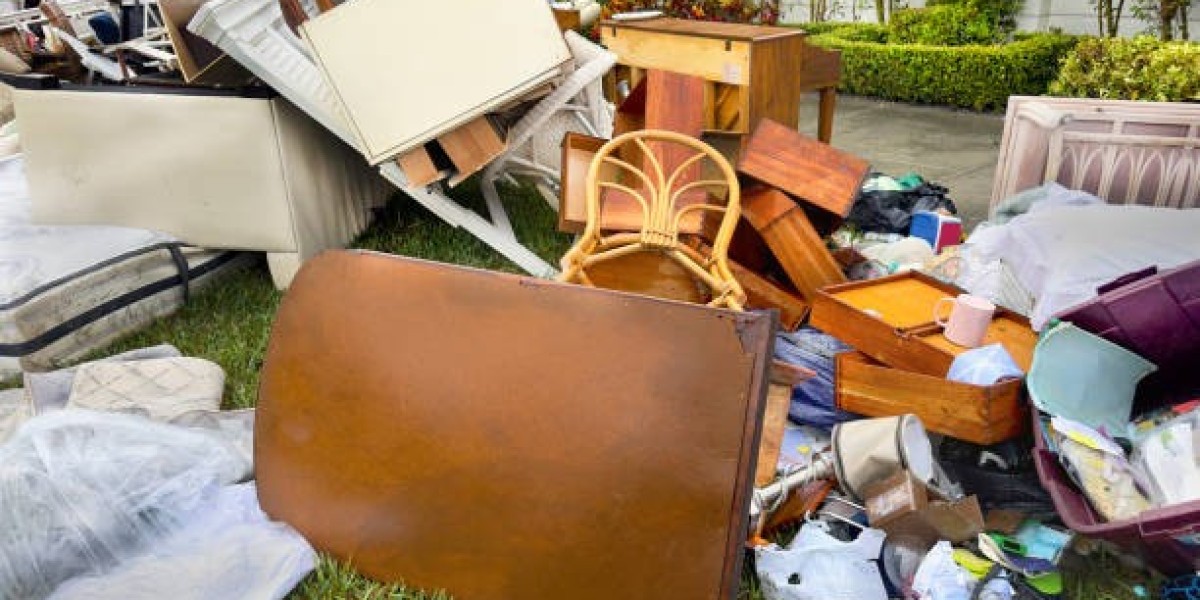

Clearing an estate can become overwhelming when every room contains furniture, personal belongings, paperwork, household items, and years of accumulated possessions. Finding the Best Estate Cleanouts near me Baytown can make the process more manageable by bringing structure to a task that often feels emotionally and physically demanding. Instead of rushing from room to room without a plan, property owners and families can approach the work with clear priorities, practical sorting methods, and realistic timelines. A well-organized cleanout reduces unnecessary stress while helping ensure valuable, reusable, recyclable, and disposable items are handled appropriately.
A successful clearing process also requires more than simply removing unwanted belongings. An effective estate property cleanout considers what should be kept, donated, recycled, sold, or discarded. Likewise, estate junk removal becomes easier when waste is separated before removal begins, while inherited property cleanup can help transform a crowded home into a clean, usable space. With the right approach, families can protect important belongings, avoid unnecessary delays, and move toward completing the property-clearing process with greater confidence.
Why Estate Clearing Needs A More Careful Plan
Estate clearing often involves several responsibilities at once. Families may need to identify important documents, preserve sentimental possessions, separate valuable items, arrange donations, and remove ordinary household waste. Without a clear plan, these tasks can quickly overlap and create confusion. Starting with a written checklist helps establish priorities before anything is moved. Begin with areas that contain essential records or items requiring careful handling, then work through the remaining rooms systematically. Labeling boxes according to categories such as keep, donate, sell, recycle, and discard can also prevent repeated decisions. In addition, photographing rooms before sorting can provide a useful record of the property's original condition and help families remember where particular items were located.
Timing is another important part of effective estate clearing. A property may need to be prepared for sale, rental, renovation, transfer, or final handover, so working backward from the required completion date can make the project easier to control. Allow extra time for unexpected discoveries, particularly in garages, attics, sheds, basements, closets, and storage areas. It is also useful to decide who has authority over possessions before the cleanout begins. When several family members are involved, disagreements can slow the process considerably. Establishing responsibilities early allows decisions to be made consistently and reduces the likelihood that important belongings will be removed accidentally.
How To Sort Belongings With Less Added Stress
Sorting is usually the most time-consuming part of clearing an estate because possessions often carry both practical and emotional significance. A useful approach is to avoid making every decision at once. Instead, divide the property into manageable zones and complete one area before moving to the next. Begin with straightforward items that have little sentimental value, which can create momentum before more difficult rooms are addressed. Keep important papers, photographs, jewelry, heirlooms, financial records, keys, and identification documents in a secure location while sorting continues. If ownership is unclear, place the item in a temporary review category rather than making an immediate decision.
Another effective strategy is to create clearly labeled containers or designated spaces for each category. Items being retained should be protected from dust and accidental disposal, while donation and recycling piles should remain separate from general waste. If something may have monetary value, avoid throwing it away simply because its purpose is unclear. Research or professional appraisal can sometimes be worthwhile before disposal. Similarly, sentimental possessions do not all need to remain in the home. Families can photograph meaningful objects, preserve selected pieces, or share items with relatives when keeping everything is impractical. This balanced method helps reduce emotional pressure while keeping the overall project moving forward.
Smart Ways To Handle Property Waste With Care
Once belongings have been sorted, the next challenge is managing everything that no longer belongs in the property. Waste can include broken furniture, damaged household goods, old fixtures, packaging, miscellaneous clutter, and other unwanted materials. Separating these categories before removal can improve efficiency and reduce the possibility of placing recyclable or reusable materials into ordinary waste streams. It also helps determine what type of disposal or hauling service may be necessary. Larger objects should be moved carefully to prevent damage to walls, floors, doors, or other parts of the property. Heavy lifting should not be attempted casually, especially when furniture is awkward, unstable, or difficult to carry through narrow spaces.
Keep Disposal Organized From The Start
A simple disposal system can make the final stages of an estate cleanout much smoother. Use clearly identified areas for general waste, recyclable materials, donations, reusable household goods, and items requiring special consideration. This separation allows each category to be handled according to its appropriate destination instead of creating one large mixed pile. Before arranging removal, check whether local disposal facilities have restrictions on particular materials or oversized objects. Items containing potentially hazardous substances should not automatically be placed with ordinary household waste. Taking a few minutes to identify disposal requirements can prevent unnecessary trips, delays, and additional handling. Most importantly, organized disposal keeps the property safer while allowing the final cleanup to proceed in a controlled sequence.
Where Donations And Reuse Help With Clearing?
Not everything removed from an estate needs to become waste. Furniture in usable condition, kitchenware, clothing, books, small appliances, decorations, and other household goods may still have practical value. Separating reusable items can give families more options while reducing the total volume that requires disposal. Donations can also provide a meaningful destination for possessions that no longer fit the family's needs. However, items should be evaluated honestly before donation. Damaged, heavily soiled, unsafe, or incomplete goods may not be suitable for reuse. Checking condition first prevents organizations from receiving items they cannot reasonably use.
Reuse can also make the clearing process more efficient. Family members may want selected belongings, neighbors may find practical household items useful, or community organizations may accept certain goods. If the property contains potentially valuable furniture, collectibles, tools, or other specialized items, selling them may require additional time and planning. Therefore, families should decide early whether maximizing resale value or completing the cleanout quickly is the greater priority. In many situations, a balanced approach works best: preserve genuinely valuable possessions, donate suitable goods, recycle appropriate materials, and reserve disposal for items that no longer have a useful purpose.
When Expert Help Simplifies The Clearing Job?
Professional assistance can be useful when an estate contains a large volume of belongings or when family members cannot devote enough time to the project. A professional team may help with sorting support, lifting, hauling, loading, and general property clearing, depending on the service provided. This can be especially helpful when a property needs to be cleared within a specific timeframe. Families should still establish what should remain on-site before removal begins. A written list, labeled room, or clearly marked group of belongings can help prevent misunderstandings. Communication is particularly important when multiple people are involved in decisions about inherited possessions.
Professional support may also be practical when an estate property cleanout involves bulky furniture, packed storage areas, or extensive household clutter. Before hiring a service, ask what tasks are included, how items are handled, whether donations or recycling are accommodated, and whether the property is left swept and orderly after removal. Clear expectations make it easier to compare services based on the actual needs of the property rather than choosing solely on convenience. For larger projects, it is also sensible to discuss access points, stairs, parking, fragile areas, and any materials that require separate handling before work starts.
Create A Smoother Finish With Final Reviews?
The final stage of an estate cleanout should focus on verification rather than rushing toward removal. Once rooms appear empty, inspect closets, cabinets, drawers, attics, garages, sheds, and other less-visible spaces. Check walls, floors, windowsills, appliances, and storage areas for documents or personal belongings that may have been overlooked. If the property is being prepared for sale or transfer, a final walkthrough can identify simple issues that should be addressed before the property changes hands. Cleaning surfaces and removing remaining debris can also make the home feel significantly more organized without requiring major renovation.
If the property still needs extensive hauling, sorting, or disposal support, getting help can make the final phase easier to manage. A reliable service can help turn a partially cleared home into a more orderly property while reducing the physical burden on family members. For anyone planning complete estate clearing, it is helpful to discuss the property's condition, the remaining volume of materials, access requirements, and the desired completion timeline in advance. Taking that step allows the cleanout to be planned around the property's actual needs instead of relying on guesswork. The goal is a clean, functional space with important possessions protected and unwanted materials responsibly removed.
Conclusion
An organized estate cleanout starts with thoughtful preparation, clear sorting categories, and a realistic understanding of what the property contains. Rather than treating every possession as ordinary clutter, families can separate important documents, sentimental belongings, reusable goods, recyclable materials, and genuine waste. Working room by room also makes a large project feel more manageable while reducing accidental disposal and unnecessary rework.
The right clearing approach ultimately depends on the property's size, the volume of belongings, the required timeline, and the family's ability to handle the physical work. By setting priorities early, communicating decisions clearly, and arranging appropriate help when necessary, property clearing can become far more structured and manageable. A careful final inspection then helps ensure the home is ready for its next stage without avoidable loose ends.
Key Questions About Estate Clearing Services?
1. What should be sorted first during an estate cleanout?
Start with important documents, valuables, sentimental belongings, medications, keys, and items that may require special handling.
2. How can families avoid accidentally discarding valuable items?
Create a temporary review category for uncertain belongings and have family members inspect it before anything is permanently removed.
3. Can usable furniture and household items be donated?
Yes. Clean, functional items may be suitable for donation, although each organization has its own acceptance requirements.
4. When is professional cleanout assistance useful?
Professional help can be useful when the property is large, heavily cluttered, physically demanding, or subject to a tight completion timeline.
5. What should happen during the final property walkthrough?
Inspect hidden storage areas, closets, cabinets, garages, and other spaces for overlooked belongings before confirming that clearing is complete.