
If you've been searching for ways to watch Indian channels, movies, and shows while living in the USA, chances are you've come across the term IPTV. But what exactly is it, and how does it work? In this guide, we'll break down everything you need to know about IPTV India services from the basic technology behind it to how you can get started with an Indian IPTV Box at home. Whether you're new to streaming or looking to switch from traditional cable, this article will walk you through it all in simple terms.
Table of Contents
- What is IPTV?
- How Does IPTV Work?
- Types of IPTV Services
- IPTV vs Traditional Cable TV
- What You Need to Get Started with IPTV
- Benefits of Using IPTV
- Is IPTV Legal?
- FAQs
What is IPTV?
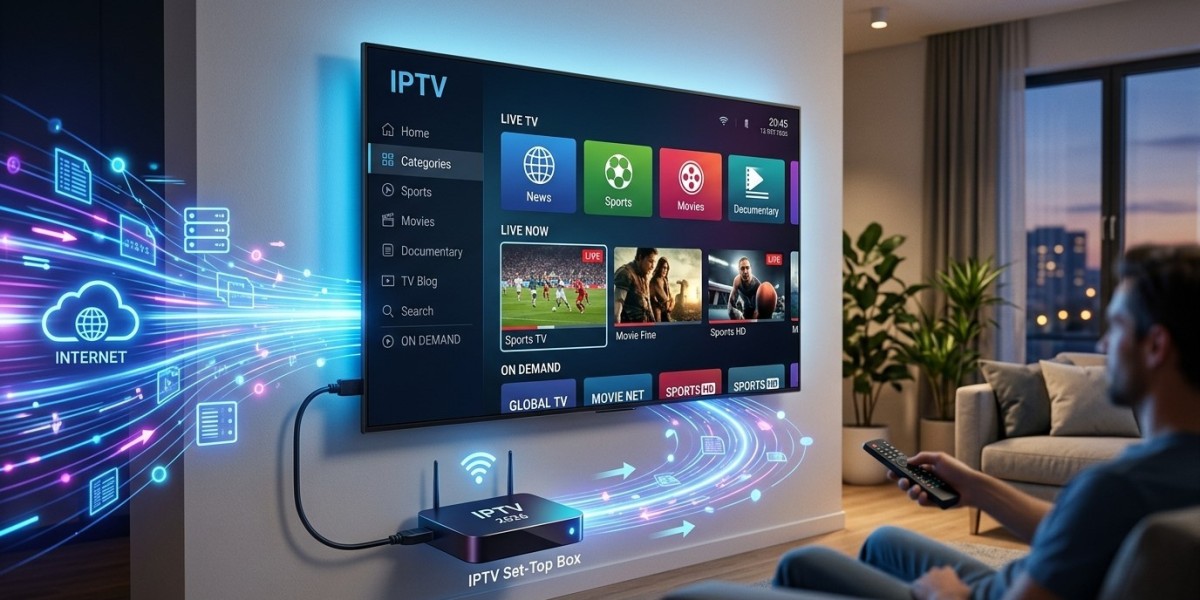
IPTV, short for Internet Protocol Television, is a technology that delivers television content over the internet instead of through traditional satellite dishes or cable connections. Rather than receiving TV signals via radio waves or coaxial cables, IPTV streams live channels, movies, and shows directly through your internet connection.
For viewers looking for IPTV India services, this technology has become a popular way to access Indian channels, movies, and regional content from anywhere in the world, including the USA. Instead of relying on satellite dishes that may not carry international channels, IPTV lets you stream Indian content on any internet-connected device.
How Does IPTV Work?
Understanding how IPTV works helps explain why it has become so popular among viewers who want flexible, on-demand access to television content.
The Basic Process
- Content Source – A TV provider captures live broadcasts or stores on-demand content on servers.
- Encoding – The video content is compressed and converted into a format suitable for internet transmission.
- Streaming via Internet Protocol – The encoded content is broken into data packets and sent over the internet to your device.
- Decoding on Your Device – Your IPTV app, box, or smart TV receives these packets and reassembles them into a viewable video stream.
This entire process happens in real time for live channels, and on-demand for movies or shows you choose to watch later. Because it runs on standard internet infrastructure, IPTV doesn't require satellite dishes, extra cabling, or specialized broadcast equipment.
Streaming Protocols
IPTV typically uses one of a few common streaming methods, such as HLS (HTTP Live Streaming) or RTMP (Real-Time Messaging Protocol), which help ensure smooth playback even when internet speeds fluctuate slightly.
Types of IPTV Services
IPTV generally falls into three categories:
- Live IPTV – Streams live television channels in real time, similar to traditional cable.
- Video on Demand (VOD) – Lets users choose from a library of movies, shows, or series to watch whenever they want.
- Time-Shifted IPTV – Allows viewers to watch previously aired content, such as catching up on a show they missed earlier in the day.
Most modern IPTV providers combine all three, offering live channels alongside a growing on-demand library.
IPTV vs Traditional Cable TV
| Feature | IPTV | Cable TV |
|---|---|---|
| Delivery Method | Internet | Coaxial cable/satellite |
| Installation | Minimal, app-based | Requires technician setup |
| Channel Flexibility | Wide, including international content | Limited by regional providers |
| On-Demand Access | Yes | Limited or extra cost |
| Device Compatibility | Smart TVs, boxes, phones, laptops | Set-top box only |
For someone wanting to watch Indian channels while living in the USA, IPTV is often far more practical than trying to find a cable provider that carries the same regional content.
What You Need to Get Started with IPTV
Setting up IPTV is generally simple. Here's what's typically required:
- A stable internet connection – Faster speeds mean smoother streaming, especially for HD or 4K content.
- A compatible device – This could be a smart TV, Android box, Firestick, or an Indian IPTV Box designed specifically for streaming Indian content.
- An IPTV subscription – This gives you access to the channel list and on-demand library.
- An IPTV app or player – Software that connects to your subscription and displays the content.
Many users prefer a dedicated Indian IPTV Box because it's pre-configured for regional content, making setup easier for those who aren't especially tech-savvy.
Benefits of Using IPTV
- Access to international content – Watch Indian channels, movies, and shows from anywhere with internet access.
- Multi-device support – Stream on smart TVs, phones, tablets, or laptops.
- Cost-effective – Often more affordable than traditional cable packages, especially for niche or regional content.
- On-demand flexibility – Watch what you want, when you want, instead of following a fixed broadcast schedule.
- Easy setup – No technician visits or complicated wiring required.
Is IPTV Legal?
IPTV technology itself is completely legal — it's simply a method of delivering video content over the internet, similar to how services like Netflix or Hulu work. What matters is the licensing behind the content being streamed. Choosing a reputable, properly licensed IPTV provider is the safest and most reliable way to enjoy Indian channels and shows without running into service disruptions.
FAQs
1. Do I need special equipment to use IPTV?
Not necessarily. Many IPTV services work through an app on your smart TV or phone, though a dedicated Indian IPTV Box can offer a more streamlined experience for accessing Indian content specifically.
2. How much internet speed do I need for IPTV?
A minimum of 10-15 Mbps is generally recommended for smooth HD streaming, with higher speeds needed for 4K content or multiple simultaneous streams.
3. Can I watch IPTV on multiple devices?
Yes, many IPTV subscriptions support multiple device connections, though this depends on the specific plan you choose.
4. Is IPTV better than cable for watching Indian channels in the USA?
For most users, yes — IPTV offers a wider range of Indian regional channels and on-demand content than most US cable providers can offer.
5. What is the difference between IPTV and streaming apps like Netflix?
IPTV typically focuses on live TV channels alongside on-demand content, while apps like Netflix are primarily on-demand only.
Ready to Start Watching Indian Channels with IPTV?
Whether you're looking for live Indian TV, regional content, or a reliable Indian IPTV Box for easy setup, getting started with IPTV India has never been simpler. Explore our IPTV plans today and bring your favorite Indian channels straight to your screen wherever you are in the USA.