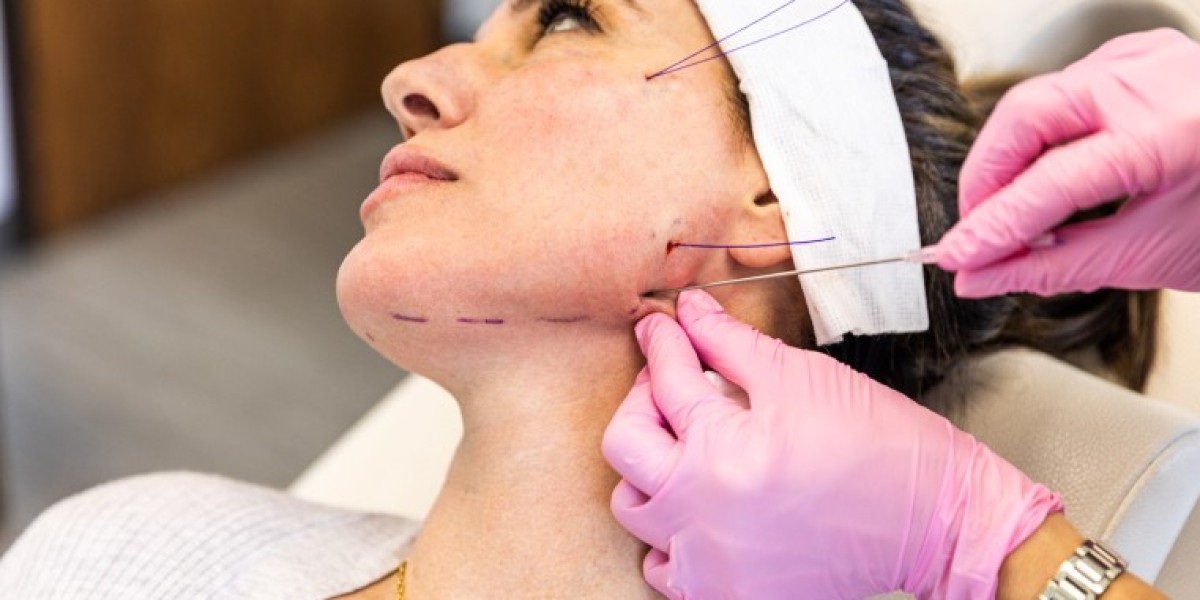

The appearance of the face is influenced by several connected features, including skin quality, tissue position, facial contours, and natural proportions. As these characteristics change over time, some people may explore non-surgical approaches designed to support a more defined or refreshed appearance.
Before considering a Thread Lift in London, a detailed consultation can help establish whether the treatment approach is appropriate for the individual's facial structure and aesthetic goals. The assessment may involve examining the skin, underlying tissue, facial contours, symmetry, and areas where the patient would like to see a change.
Facial anatomy varies considerably between individuals. For this reason, thread lift planning is not simply about identifying one area of loose skin. A specialist can consider how the skin and underlying tissues are positioned and how these features relate to the cheeks, jawline, and other areas of the face.
Why Is Facial Assessment Important Before a Thread Lift?
A thread lift is planned according to the characteristics of the treatment area. Skin thickness, elasticity, tissue distribution, facial contours, and the degree of skin laxity can all differ between patients.
During a consultation, the specialist can assess these features and discuss the patient's concerns. This helps establish a treatment plan based on individual anatomy rather than applying the same approach to everyone.
For patients considering PDO Thread Lift London, understanding the condition and positioning of the facial skin and tissue is an important part of the consultation process.
How Is Skin Quality Assessed?
Skin quality can vary across different parts of the face and between individuals. During consultation, the specialist may assess characteristics such as texture, elasticity, thickness, and general skin condition.
The way the skin rests on the face may also be observed. The specialist can examine whether the skin appears relatively firm or whether there are areas where it has become more relaxed.
These observations help provide a clearer understanding of the treatment area and can contribute to developing an approach that reflects the patient's individual characteristics.
How Is Skin Elasticity Considered?
Skin elasticity refers to the ability of the skin to stretch and return towards its natural position. It is one of the factors that may be assessed during a thread lift consultation.
The specialist may gently examine how the skin responds to movement and observe how it naturally settles. This can provide useful information about the skin's characteristics.
Elasticity is not considered independently. Instead, it is reviewed alongside tissue position, facial contours, skin laxity, and the patient's treatment goals.
How Is Skin Laxity Assessed?
Skin laxity can appear differently across the face. Some people may notice changes around the cheeks, while others may be more concerned about the lower face, jawline, or other specific areas.
During consultation, the specialist can identify where laxity is most noticeable and examine its distribution. The assessment may also consider whether the skin changes are concentrated in one area or connected to surrounding facial structures.
This information can help determine which areas are relevant to treatment planning.
How Are Underlying Facial Tissues Considered?
The appearance of the skin is influenced by the tissues beneath it. For this reason, a thread lift assessment can involve looking beyond the surface of the skin.
The specialist may examine the general position and distribution of the underlying facial tissues and how they contribute to the patient's facial contours.
Understanding these relationships helps create a more complete picture of the treatment area. It also allows the specialist to consider how the proposed treatment should relate to the patient's existing facial structure.
Why Are Facial Contours Important?
Facial contours contribute significantly to the overall appearance of the face. The cheeks, jawline, chin, and temples form interconnected areas that can influence how the skin and tissues appear.
During consultation, the specialist may examine these contours from different angles. This helps identify areas where changes in tissue position or skin laxity may be most noticeable.
For individuals considering a Thread Lift in London, assessing facial contours provides useful information for developing an individualised treatment plan.
How Are the Cheeks Assessed?
The cheeks are an important part of the mid-face and can influence the transition between the eyes, nose, and lower face. During consultation, the specialist may examine the position and contour of the cheek tissues.
They may also assess how the skin sits over the cheeks and whether there are differences between the two sides of the face.
This assessment helps establish how the cheek area relates to the patient's wider facial structure and whether it should be included when discussing potential treatment.
How Is the Jawline Evaluated?
The jawline is another area that may be assessed during a thread lift consultation. Its appearance is influenced by skin position, tissue distribution, facial structure, and the relationship between the lower face and neck.
The specialist can examine the definition of the jawline and identify areas where the skin or tissue may appear less defined.
By assessing the jawline alongside the cheeks and chin, the specialist can develop a more complete understanding of the lower facial contours.
Does the Chin and Neck Area Need to Be Considered?
The chin and neck can have an important relationship with the lower face. Changes around these areas may influence the appearance of the jawline and overall facial profile.
Depending on the patient's concerns, the specialist may examine the chin and upper neck during consultation. This helps determine whether the area is connected to the patient's main concern or should be considered separately.
A wider facial assessment can therefore help create a treatment plan that reflects the individual's anatomy.
How Is Facial Symmetry Reviewed?
Natural facial asymmetry is common. One side of the face may have slightly different skin distribution, tissue positioning, or contour compared with the other.
During a consultation, the specialist may compare both sides of the face to understand these differences. Assessment can take place while the face is relaxed and during natural facial expressions.
Recognising existing asymmetry provides useful information when discussing treatment goals and developing an individualised plan.
Why Is Facial Movement Observed?
The face is dynamic rather than static. Facial expressions, speaking, smiling, and other movements can change the position of the skin and tissues.
A specialist may therefore observe the face while the patient makes natural expressions. This can provide additional information about how the treatment area behaves during movement.
Considering both static and dynamic appearance helps create a more complete assessment of facial skin and tissue.
How Does Age-Related Change Affect Assessment?
Facial changes develop differently from one person to another. Some individuals may notice changes primarily in skin elasticity, while others may see more noticeable changes in tissue position or facial contours.
During consultation, the specialist can assess the patient's current facial characteristics rather than relying solely on age as an indicator of suitability.
The treatment plan can then be based on the actual appearance and structure of the face, together with the patient's personal goals.
How Are Treatment Goals Discussed?
A consultation should include a discussion of what the patient would like to achieve. Different people may have different priorities, such as improving the appearance of the cheeks, defining the jawline, or addressing areas of skin laxity.
The specialist can discuss these preferences alongside the findings from the facial assessment. This helps establish whether the proposed approach is aligned with the patient's expectations.
Clear communication is an important part of developing a personalised treatment plan.
Why Is a Personalised Thread Lift Approach Important?
Facial anatomy varies considerably between individuals. Skin thickness, elasticity, tissue position, facial proportions, and symmetry can all differ.
A personalised approach may consider:
- Skin quality and texture
- Skin elasticity
- Skin laxity
- Tissue position
- Cheek contours
- Jawline definition
- Chin and neck relationship
- Facial symmetry
- Facial movement
- Individual treatment goals
These characteristics are interconnected, so considering them together can provide a more accurate picture of the patient's facial structure.
What Happens During a Thread Lift Consultation?
The consultation generally begins with a conversation about the patient's concerns and the changes they would like to see. The specialist can then examine the skin and underlying facial contours.
The assessment may involve observing the face at rest and during movement. Both sides can be compared, while areas such as the cheeks, jawline, chin, and neck may be reviewed according to the patient's concerns.
The specialist can then explain how the findings relate to the proposed treatment approach and discuss how the plan can be tailored to the patient's anatomy.
How Does the Assessment Guide Treatment Planning?
The findings from the consultation can help determine which areas should be considered and how the treatment should be approached.
For example, a patient with concerns mainly around the lower face may require a different treatment plan from someone whose primary concern involves the cheek area.
The specialist can use the assessment to understand the patient's facial structure and establish a plan that reflects the specific areas being addressed.
What Should Patients Ask During Consultation?
Patients may wish to ask how their skin quality and elasticity have been assessed and which areas of the face are being considered for treatment.
They can also ask how facial symmetry, tissue position, and facial contours have influenced the proposed plan.
Discussing these factors can help patients understand why a particular approach has been recommended and how it relates to their individual anatomy.
How Can a Thread Lift Clinic Support Individualised Planning?
A dedicated Thread Lift Clinic in London can provide a setting for a detailed assessment of the patient's facial skin and tissue.
During consultation, the specialist can review skin quality, tissue position, facial contours, symmetry, and individual treatment objectives. These observations can then be incorporated into a tailored treatment plan.
The consultation also allows patients to ask questions and understand the proposed approach before making decisions about treatment.
Conclusion
A detailed assessment of facial skin and tissue is an important part of planning a Thread Lift in London. The specialist may consider skin quality, elasticity, laxity, tissue position, facial contours, symmetry, movement, and the patient's individual goals.
Areas such as the cheeks, jawline, chin, and neck can be assessed according to the patient's concerns. By examining these features together, the specialist can develop a treatment plan that reflects the individual's facial anatomy.
For anyone considering PDO Thread Lift London, a personalised consultation provides an opportunity to understand how their skin and tissue characteristics may influence treatment planning and which areas may be relevant to their desired outcome.
FAQs
What is assessed before a thread lift?
A specialist may assess skin quality, elasticity, laxity, tissue position, facial contours, symmetry, facial movement, and the patient's treatment goals.
Why is skin quality important for a thread lift?
Skin quality can vary between individuals and facial areas. Understanding its characteristics helps the specialist develop a treatment plan based on the patient's individual anatomy.
How is skin elasticity assessed?
The specialist may observe how the skin naturally sits and responds to gentle movement. This provides information about its elasticity and overall characteristics.
Is skin laxity assessed during consultation?
Yes. The specialist may identify where skin laxity is most noticeable and assess how it relates to surrounding facial tissues and contours.
Are the underlying facial tissues examined?
The specialist may consider the position and distribution of the tissues beneath the skin as part of the overall facial assessment.
Why are facial contours important before a thread lift?
Contours around the cheeks, jawline, chin, and neck contribute to the overall facial appearance. Assessing them helps the specialist understand the patient's individual structure.
Is facial symmetry considered?
Yes. Both sides of the face may be compared to identify natural differences in skin position, tissue distribution, and facial contour.
Does facial movement form part of the assessment?
The specialist may observe the face during natural expressions and movement to understand how the skin and tissues behave dynamically.
Can the cheeks be assessed before a thread lift?
Yes. The cheeks may be examined to assess skin position, tissue distribution, and their relationship with the surrounding facial structures.
Is the jawline reviewed during consultation?
Yes. The jawline may be examined to understand its definition and how it relates to the skin, tissues, chin, and neck.
What happens during a thread lift consultation?
The consultation generally includes a discussion of the patient's concerns, examination of the facial skin and tissues, assessment of relevant facial contours, and discussion of individual treatment goals.
Why is a personalised thread lift plan important?
Every person's facial anatomy is different. A personalised plan allows the specialist to consider individual skin characteristics, tissue position, facial proportions, symmetry, and treatment objectives.
What should I ask during a thread lift consultation?
You can ask how your skin and facial tissues have been assessed, which areas are being considered, and how your individual anatomy has influenced the proposed treatment plan.