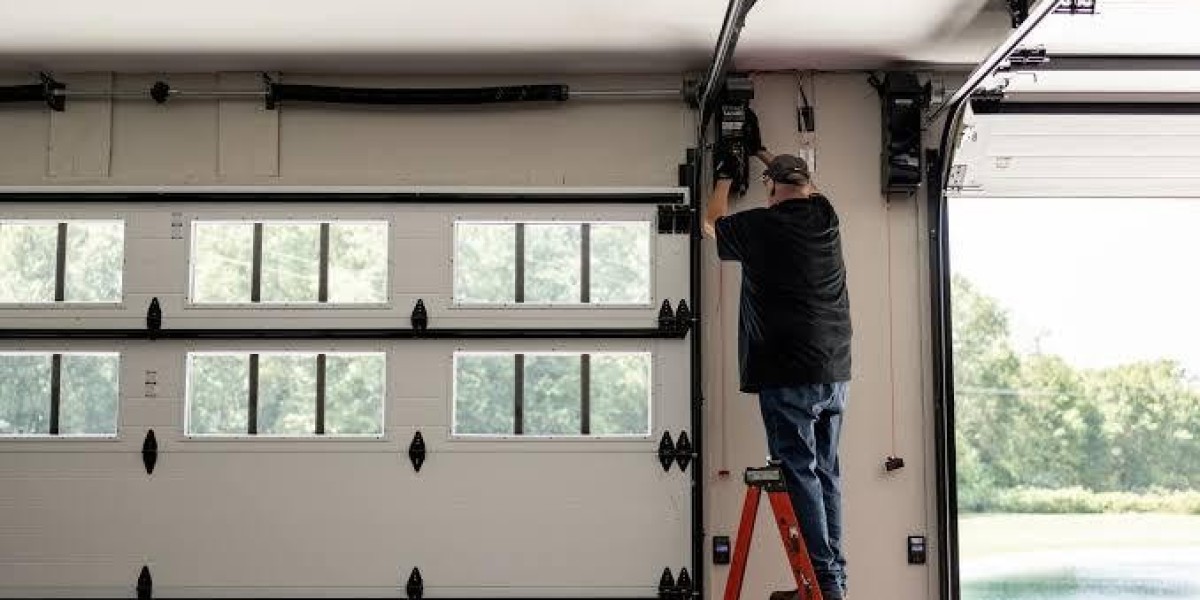

A garage door that has jumped its track is more than an inconvenience. It is a safety hazard that can trap a vehicle, bend the panels, and threaten anyone standing nearby. Off Track Garage Door Repair brings trained eyes and the right tools to a problem that only gets worse with time. Instead of forcing the door by hand and risking injury, homeowners can have it restored to smooth, reliable operation in a single visit.
Speed matters when a door refuses to close or hangs at an angle. A prompt garage door track service protects the opener, the panels, and the people who use the door daily. Reliable off track door service also prevents small bends from becoming a full track replacement, while fixing a garage door realignment early saves money on parts that would otherwise need to be replaced. With the right help, a jammed door becomes a solved problem rather than an ongoing headache.
Spotting the Very First Signs of Track Issues
A door that has left its track rarely fails without warning. The signs appear gradually, and catching them early is the difference between a quick adjustment and a costly replacement. The earliest warning is usually sound. A door that rumbles, screeches, or pops during travel is telling you the rollers are straining against the track. Next come visible gaps: look at the rollers and confirm they sit inside the channel rather than resting on the edge. A door that hangs unevenly, with one side lower than the other, has almost certainly left its track and needs attention before the damage spreads.
The opener may also strain, reverse unexpectedly, or stop mid-travel. Any of these signs means the door should not be forced. Manual operation can bend panels and injure hands. Instead, disconnect the opener if possible and call for professional help before the damage spreads to the entire assembly. Homeowners who know what to look for can call for help before the problem grows. Regular inspection catches these problems early. Look at the door once a month and listen for unusual sounds. If the door hesitates, jerks, or hangs unevenly, stop using it and arrange an inspection without delay.
Understanding Why a Door Leaves Its Own Track
Tracks do not fail on their own. Something pushes the door out of alignment, and identifying that cause prevents the same problem from returning after the repair. A few common culprits account for most cases, and understanding them helps homeowners avoid repeat issues.
Reasons a Garage Door Leaves Its Track
Impact is the most frequent cause. A car bumper nudging the bottom panel, a bicycle, or a stray ball can knock the door sideways just enough to pop a roller out of the channel. Worn rollers follow close behind, because a roller that no longer spins smoothly drags against the track and forces the door off course. Loose or bent tracks are another common source, especially in older homes where the metal has taken years of stress. Finally, a failing torsion spring can drop the door suddenly, and the resulting jolt frequently throws the rollers clear of the channel. Understanding which of these caused the problem helps a technician fix the root issue rather than just the visible symptom, which saves money and prevents a repeat breakdown later.
How Ignoring a Misaligned Door Hurts the Home
A door that sits slightly crooked may still open and close, which is exactly why so many homeowners ignore it. That decision carries real risk. A misaligned door places uneven stress on the opener, the springs, and the panels. The motor works harder, heats up, and fails sooner. Panels bend at the edges and no longer seal against the frame. Gaps let in rain, dust, and pests. More seriously, a door that slips further off track can come down unexpectedly, and a falling garage door weighs hundreds of pounds. Anyone standing underneath faces serious injury, and that risk grows with every cycle.
Safety is the strongest reason to act quickly, but cost is a close second. A small track adjustment is inexpensive. A replacement opener, new springs, and damaged panels add up to a much larger expense. Homeowners who wait often discover that what started as a single bent roller has spread to the entire track assembly. A garage door is the largest moving object in most homes, and it is also the main entry point for vehicles. When it does not close properly, the house is not secure. Quick repairs restore that security and seal, and a fast response keeps the whole system running smoothly for years.
Steps a Technician Takes to Repair Your Track
A professional repair follows a clear sequence that protects the door, the opener, and the surrounding structure. Each step matters, and skipping one often leads to a repeat failure weeks later. Knowing what happens during a service call helps homeowners ask the right questions.
From Inspection to Final Test
The process begins with a full inspection of the door, tracks, rollers, cables, and springs. The technician identifies the root cause rather than just the visible symptom. Next, they realign or replace the bent track section, install new rollers if needed, and tighten all mounting bolts. Tension on the springs and cables is checked and adjusted to match the door's weight. Once everything is in place, the door is cycled several times to confirm smooth travel. The technician listens for unusual sounds and checks that the safety sensors function correctly. A final test ensures the door opens and closes fully without hesitation. Most repairs finish within one to two hours, depending on the extent of the damage found during inspection.
Selecting the Best Repair Team for Track Help
Not every repair company offers the same level of service. A good team arrives with the right tools, inspects the full system rather than just the visible problem, and explains what caused the failure. They should also carry insurance and provide a clear estimate before starting work. Ask whether the technician will check the springs, rollers, cables, and opener in addition to the track. A thorough inspection often catches issues that would otherwise cause a second breakdown weeks later. Reading reviews and asking for references helps confirm that the company has a track record of reliable work.
The best providers also stand behind their work with a warranty and respond promptly when a door fails. Homeowners who want a long-term fix rather than a temporary patch should look for a team that treats proper track adjustment as the foundation of every repair. Correct alignment reduces wear on every other component and keeps the door operating quietly for years. When you are ready to restore smooth, safe operation, a qualified technician can complete the job in a single visit. Taking that step protects the door, the vehicle, and everyone who uses the garage every day.
Conclusion
A garage door that has left its track is a problem that demands attention. The signs are usually visible and audible long before the door stops working entirely, and acting on them early keeps small issues from becoming major expenses. Regular inspection, prompt repairs, and a clear understanding of what causes misalignment give homeowners the tools to protect their property and the people who live in it.
The key takeaway is simple: do not force a door that has left its track, and do not wait for the problem to grow. A trained technician can restore smooth operation quickly, often in a single visit. With the right care, a garage door remains safe, quiet, and reliable for years. Choosing qualified help early is the smartest investment a homeowner can make.
Key Questions About Off Track Door Repair
1. How do I know if my garage door has left its track?
Common signs include a door that hangs unevenly, a loud popping or grinding sound, rollers that sit outside the channel, and an opener that strains or reverses unexpectedly during travel.
2. Can I fix a jumped track myself?
This repair involves heavy springs and tensioned cables that can cause serious injury if handled incorrectly. Professional help is strongly recommended for both safety and long-term results.
3. How long does a typical track repair take?
Most repairs finish within one to two hours, depending on the extent of the damage and whether the track needs to be replaced rather than simply realigned.
4. Will my insurance cover the repair?
Coverage depends on the policy and the cause. Damage from a vehicle impact may be covered, while general wear and tear is usually the homeowner's responsibility.
5. How can I prevent the door from leaving its track again?
Schedule annual maintenance, keep the tracks clean, tighten loose bolts, and avoid hitting the door with vehicles or other objects that could knock it out of alignment.