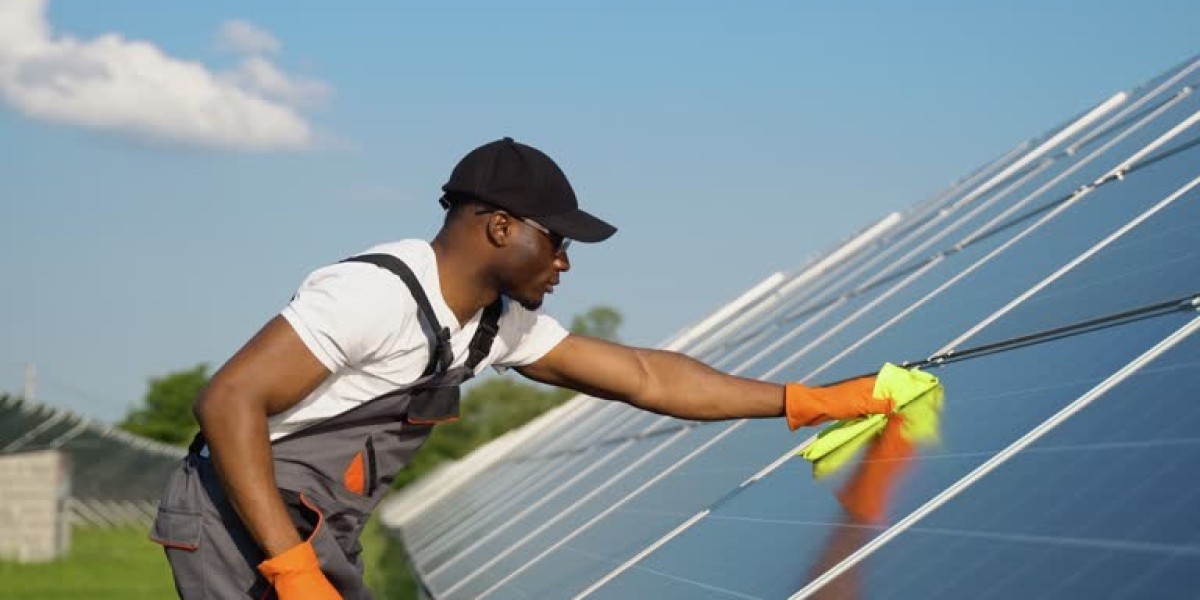

Solar panels are built to last for decades, but they are not maintenance-free. Dust, pollen, bird droppings, and seasonal debris slowly reduce the amount of sunlight that reaches the cells, and the drop in output is easy to miss because it happens gradually. Solar Panel Maintenance Visalia CA restores that lost performance and protects the system so it continues producing at its rated capacity. A short service visit now prevents the slow decline that quietly costs homeowners money every month.
Regular care covers far more than wiping down the glass. Proper solar panel upkeep includes checking the mounting hardware, inspecting the wiring, and confirming that the inverter is functioning correctly. Consistent solar system maintenance also catches the small problems that lead to bigger failures later, while routine photovoltaic maintenance keeps the entire array working as a complete system rather than a collection of parts. With the right care, panels stay efficient and dependable for years.
Understanding Why Solar Panels Need Attention
Solar panels have no moving parts, which leads many owners to assume they will never need service. In reality, the environment works against them every day. Dust settles on the glass and blocks light. Pollen and bird droppings create hot spots that reduce output and stress individual cells. Leaves and twigs collect around the frame and can trap moisture against the seals. Over months, these small issues add up to a noticeable loss in production, and the owner usually has no idea it has happened because the change is so gradual.
Mechanical problems also develop over time. Mounting bolts loosen, wiring connections corrode, and the seals around the panels dry out and crack. Inverters, which convert the direct current from the panels into usable household electricity, wear out faster than the panels themselves and often need service or replacement. Without periodic attention, these issues shorten the life of the system and reduce the return on the original investment. A regular service visit catches all of these problems while they are still simple to fix.
What a Professional Maintenance Visit Includes
A professional visit follows a thorough routine, and the exact tasks depend on the size and condition of the system. Technicians examine the whole installation rather than just the visible surface. That complete approach is what keeps a solar array producing at its best.
Key Tasks a Technician Performs on Site
The visit usually begins with a full visual inspection of the panels, mounting hardware, and wiring. The technician checks for cracks, hot spots, and loose connections, then examines the inverter for error codes and performance data. Cleaning comes next, using deionized water and soft brushes that remove dust and debris without scratching the glass. After cleaning, the technician tests the system's output and compares it against expected production for the season. If any panels are underperforming, the cause is identified and addressed. The visit finishes with a written report that documents what was found, what was cleaned, and any parts that may need replacement in the near future.
How Dirt and Debris Cut Solar Output Fast
Even a thin layer of dust can reduce a panel's output by a measurable amount. In areas with heavy pollen or agricultural dust, the loss can be much larger. Bird droppings are worse because they block light from a concentrated area, which creates a hot spot that strains the cells beneath. Leaves and twigs collect along the frame and block airflow, which raises the temperature of the panels and reduces their efficiency. These issues compound over time if they are not addressed.
Water spots and mineral deposits are another common problem. After a rain, dissolved minerals in the water remain on the glass when it dries, leaving a film that scatters light instead of letting it pass through. Over months, that film becomes harder to remove and requires more aggressive cleaning. Regular service prevents the buildup from reaching that point. It also allows the technician to check for signs of shading from new tree growth, which is one of the most common reasons a system's output drops over the years.
Best Times to Schedule Solar Panel Inspection
Timing matters when it comes to keeping a solar system in top shape. Most manufacturers recommend service once or twice a year, but local conditions can change that recommendation. In areas with high pollen counts or regular dust storms, more frequent visits may be necessary. The seasons also play a role, because debris accumulates differently throughout the year.
Spring and fall are the most popular times for a service visit. Spring removes the pollen and debris that built up over winter, and fall clears the leaves that collect during autumn. Scheduling before the hottest part of summer ensures the panels are clean when they are producing at their peak. If the system has recently been installed, an inspection within the first year confirms that everything is working as designed. Homeowners who monitor their production data can also use a sudden drop in output as a signal that a visit is overdue.
How to Choose the Best Solar Service Team
Not every solar company offers the same level of care. Before hiring, ask whether the technicians are certified to work on the type of system installed on the property. Some panels require specific handling to avoid voiding the warranty, and an inexperienced technician can cause damage that the manufacturer will not cover. Ask for a written estimate that breaks down the cost of inspection, cleaning, and any parts that may be needed.
Reviews and references provide valuable insight into how a company treats its customers. Look for feedback that mentions punctuality, thoroughness, and clear communication. A reliable provider will also explain what was found during the visit and recommend a service schedule that fits the system and the local climate. Homeowners who want lasting results should choose a company that treats each visit as a complete tune up rather than just a quick cleaning. That approach protects the investment and keeps the system producing at its best.
How to Maintain Your Solar Panels at Home
Homeowners can handle several simple tasks between professional visits, and those small efforts make a difference in overall performance. The key is to work safely and avoid anything that could damage the panels or void the warranty.
Simple Steps for Ongoing Panel Care
Start by monitoring the system's output through the inverter app or monitoring portal. A sudden drop in production usually signals a problem that needs attention. Visually inspect the panels from the ground every few weeks, looking for debris, cracked glass, or loose wiring. If the panels are easily reachable and the manufacturer allows it, rinse them with a garden hose during the cool part of the day. Avoid harsh chemicals, abrasive sponges, and high-pressure washers, which can scratch the glass or force water into the seals. Never walk on the roof to clean the panels yourself. Leave any work that requires climbing or electrical knowledge to a trained professional, and keep a written record of what you observe so the next service visit can address it.
Final Checks After Your Solar Maintenance Visit
Once the technician finishes, a short review confirms the work was done properly. Check the written report and look for any parts that were flagged for future replacement. Review the system's production data over the next few days and compare it to the numbers before the visit. A properly cleaned and tuned system usually shows a noticeable improvement in output, especially if it had been neglected for a while. If the numbers do not improve, contact the provider to discuss what might be causing the shortfall.
Routine care protects both the system and the warranty. Many manufacturers require documented maintenance to keep coverage valid, so keeping records matters. Homeowners who want dependable production year after year should consider a professional solar panel inspection as part of their regular home maintenance schedule. It is the practical way to protect the investment, extend the life of the equipment, and keep energy bills as low as possible.
Conclusion
Solar panels are a long-term investment, and like any investment they perform best when they are cared for. Dust, debris, and the slow wear of mounting hardware and wiring all reduce output over time, and the loss is easy to overlook because it happens gradually. Regular service restores performance and catches problems while they are still simple to fix.
The takeaway is straightforward. Schedule a professional visit once or twice a year, monitor the system's output, and keep a record of everything that is done. A well-maintained solar array produces more power, lasts longer, and delivers a better return on the money spent to install it. That reliability is worth protecting.
Key Questions About Solar System Care
1. How often do solar panels need professional service?
Most systems benefit from one or two visits per year. Homes in dusty or high-pollen areas may need more frequent care to keep output at its peak.
2. Can I clean my solar panels myself?
You can rinse them with a garden hose if they are safely reachable, but avoid harsh chemicals, abrasive tools, and pressure washers. Any roof work should be left to a professional.
3. Do solar panels really lose efficiency over time?
Yes, all panels degrade slowly, but dirt and debris cause much larger and faster losses. Regular cleaning and inspection keep production close to the original rating.
4. What happens if I skip maintenance for years?
Output drops, hot spots can damage cells, and small wiring issues can become safety hazards. Skipping service also risks voiding the manufacturer's warranty.
5. How can I tell if my panels are underperforming?
Compare current production to the numbers from the previous year. A sudden drop that does not match the season usually means debris, shading, or an equipment problem that needs attention.