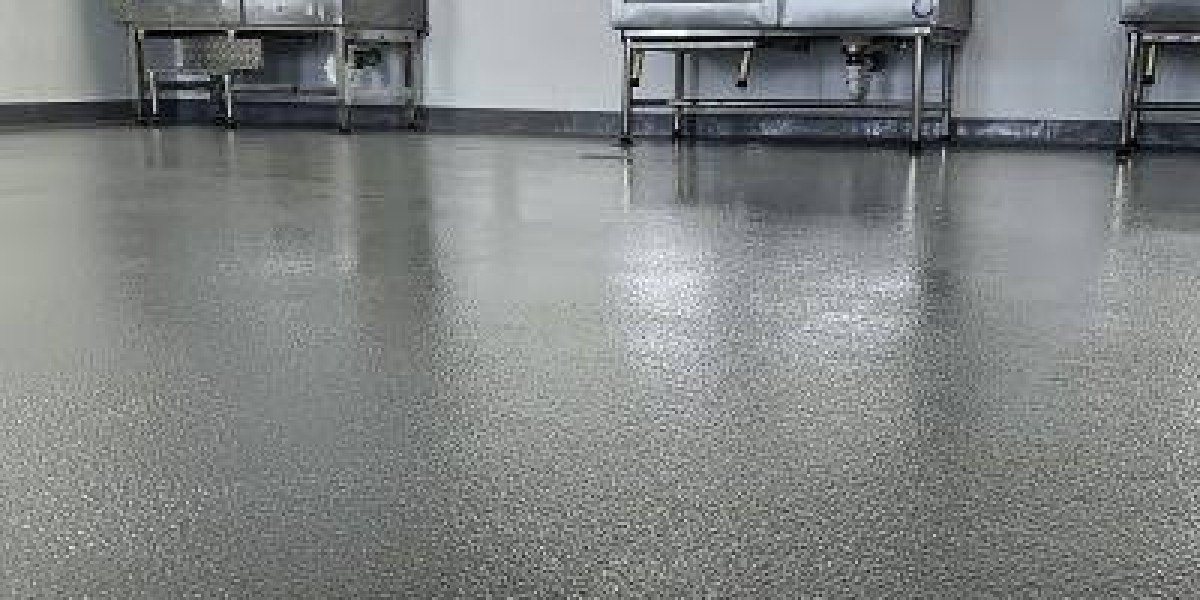

Seamless quartz flooring is a durable, attractive flooring solution designed to create a smooth, continuous surface without traditional grout lines or visible joints. Made by combining resin with quartz aggregate and other performance additives, quartz flooring systems can provide excellent resistance to wear, moisture, stains, chemicals, and heavy foot traffic.
Because of its durability and design flexibility, seamless quartz flooring is used in garages, commercial facilities, workshops, warehouses, kitchens, bathrooms, showrooms, patios, and other demanding environments.
If you are comparing flooring systems, understanding the different seamless quartz flooring options can help you select a surface that fits your space, traffic level, appearance preferences, and maintenance requirements.
What Is Seamless Quartz Flooring?
Seamless quartz flooring is a resin-based flooring system that incorporates colored quartz aggregate into one or more layers of the floor. The resin bonds the aggregate together and creates a durable surface that can be installed continuously across a large area.
Unlike conventional tile flooring, seamless quartz floors do not rely on grout joints between individual pieces. This creates a cleaner appearance while reducing areas where dirt, moisture, and contaminants can accumulate.
Depending on the application, a quartz flooring system may include:
Concrete surface preparation
Primer
Resin base coat
Colored quartz aggregate
Additional resin layers
Protective topcoat
Optional anti-slip additives
The exact system depends on the property's requirements and the expected level of traffic, moisture, chemicals, and abrasion.
Popular Seamless Quartz Flooring Options
There is no single quartz flooring system suitable for every environment. Different combinations of resin, aggregate size, colors, textures, and topcoats can produce different performance characteristics.
1. Full-Broadcast Quartz Flooring
Full-broadcast quartz flooring is one of the most durable seamless quartz flooring options. During installation, colored quartz aggregate is distributed across the resin-coated surface until the desired coverage is achieved.
After the resin cures, excess aggregate can be removed and additional resin or topcoat layers can be applied.
This system is commonly considered for areas exposed to:
Heavy foot traffic
Frequent cleaning
Moisture
Abrasion
Commercial use
Industrial activity
Full-broadcast systems can also provide a textured surface that improves traction when properly designed.
2. Quartz Broadcast Flooring
A lighter quartz broadcast system uses less aggregate than a full-broadcast installation. It can provide the decorative appearance of quartz while using a simpler material configuration.
This option may be appropriate for spaces where aesthetics and moderate durability are important but the floor does not require the heavier build associated with high-traffic industrial applications.
3. Decorative Quartz Flooring
Decorative quartz flooring combines functional performance with design flexibility. Quartz aggregates are available in numerous colors and blends, allowing property owners to create a customized appearance.
Decorative quartz floors can be used in:
Retail stores
Offices
Showrooms
Restaurants
Entryways
Residential interiors
Commercial spaces
Different aggregate colors can be blended to create patterns, subtle contrasts, or distinctive decorative finishes.
4. Anti-Slip Quartz Flooring
For wet or high-risk areas, an anti-slip quartz flooring system can provide additional surface texture.
Quartz aggregate naturally contributes texture to a resin floor, but the final slip resistance depends on the aggregate, resin layers, topcoat, profile, and installation method.
Anti-slip quartz flooring can be useful in areas such as:
Commercial kitchens
Locker rooms
Workshops
Garages
Service areas
Industrial facilities
Exterior applications
The appropriate slip-resistant profile should be selected according to the environment and cleaning requirements.
5. Heavy-Duty Quartz Flooring
Heavy-duty quartz systems are designed for demanding environments where floors may experience significant traffic, impact, abrasion, or chemical exposure.
These systems typically use multiple resin and aggregate layers to create a thicker, more robust flooring assembly.
Potential applications include:
Manufacturing facilities
Warehouses
Automotive service areas
Commercial kitchens
Maintenance facilities
Industrial work areas
The correct system should be selected based on the specific loads and substances present in the facility.
Seamless Quartz Flooring for Garages
Garages are a popular application for quartz flooring because the surface can combine durability with a decorative finish.
A properly installed quartz flooring system can help create a surface that is easier to clean than unfinished concrete while improving the overall appearance of the garage.
Quartz garage flooring can be designed to withstand common garage conditions such as:
Vehicle traffic
Tire contact
Dirt and debris
Oil and automotive fluids
Moisture
Routine cleaning
However, proper concrete preparation is essential. Cracks, contaminants, moisture problems, and weak concrete should be addressed before the flooring system is installed.
Seamless Quartz Flooring for Commercial Spaces
Commercial floors often need to balance appearance, durability, cleaning requirements, and long-term performance.
Seamless quartz flooring can be suitable for businesses that want a professional-looking floor without extensive grout lines.
Potential commercial applications include:
Retail: Decorative quartz blends can create a clean, modern appearance.
Restaurants: Quartz systems can provide a durable, cleanable surface when an appropriate resin and texture are selected.
Offices: Decorative finishes can complement commercial interiors.
Showrooms: Quartz color blends can create a polished appearance that supports the overall design.
Service facilities: More robust systems can be selected where abrasion and traffic are higher.
Seamless Quartz Flooring Color Options
One of the biggest advantages of quartz flooring is its design flexibility.
Common color approaches include:
Solid neutral tones
Gray and charcoal blends
Black and white blends
Earth tones
Blue and gray combinations
Multi-color decorative blends
Custom aggregate combinations
Lighter colors can create a bright, open appearance, while darker blends can help create a bold or industrial aesthetic.
Multicolor quartz blends may also help visually disguise minor dirt and everyday wear better than very uniform finishes.
Benefits of Seamless Quartz Flooring
Durable Surface
Quartz aggregate combined with a suitable resin system can create a highly durable flooring surface for many commercial and residential applications.
Easy to Clean
Because the floor has no conventional grout joints, there are fewer recessed areas where dirt can accumulate. Routine sweeping and cleaning can help maintain the surface.
Moisture Resistance
Properly selected and installed resin flooring can provide a moisture-resistant surface, making quartz systems useful in environments where spills and routine washing occur.
Decorative Appearance
Quartz flooring provides numerous design possibilities without sacrificing the practical benefits associated with resin flooring.
Seamless Design
The continuous appearance can make rooms look larger and more unified while eliminating the visual interruption of traditional tile joints.
Customizable Texture
The aggregate and topcoat can be selected to achieve different levels of texture and slip resistance.
Factors to Consider Before Choosing Quartz Flooring
Choosing a seamless quartz flooring system should involve more than selecting a color.
Traffic Level
Consider whether the floor will experience residential foot traffic, commercial traffic, forklifts, vehicles, or heavy industrial activity.
Moisture Exposure
Areas exposed to water or frequent washing may require a flooring system specifically designed for those conditions.
Chemical Exposure
If the floor will regularly encounter chemicals, oils, solvents, cleaning products, or other substances, verify that the selected resin system provides appropriate chemical resistance.
Slip Resistance
Wet environments may require a textured or anti-slip finish.
Existing Concrete
The condition of the concrete substrate can significantly affect the performance of the finished floor. Cracks, contamination, surface weakness, and moisture issues should be evaluated before installation.
Maintenance Requirements
Different textures and topcoats can have different cleaning characteristics. A flooring professional can help match the finish to the property's maintenance routine.
How Is Seamless Quartz Flooring Installed?
A professional installation typically follows several important stages.
1. Surface Preparation
The concrete is mechanically prepared to remove contaminants and create an appropriate surface profile.
2. Repairs
Cracks, damaged concrete, joints, or other substrate problems may need to be repaired before coating.
3. Primer Application
A compatible primer may be applied to improve adhesion between the concrete and resin system.
4. Resin and Quartz Application
The selected resin layer is applied, followed by quartz aggregate according to the specifications of the flooring system.
5. Excess Aggregate Removal
Once appropriate curing has occurred, loose aggregate may be removed to achieve the desired surface profile.
6. Topcoat
A protective resin topcoat can be applied to encapsulate the quartz and provide the desired appearance, durability, chemical resistance, and cleanability.
7. Curing
The flooring system must be allowed to cure according to the manufacturer's requirements before normal use.
Seamless Quartz Flooring vs. Traditional Tile
Both flooring systems have advantages, but they function differently.
| Feature | Seamless Quartz Flooring | Traditional Tile |
|---|---|---|
| Visible grout lines | No conventional grout lines | Yes |
| Custom colors | Extensive | Extensive |
| Cleaning | Generally straightforward | Grout requires additional attention |
| Seamless appearance | Yes | No |
| Texture options | Highly customizable | Depends on tile |
| Commercial applications | Excellent for many uses | Common |
| Installation | Requires resin-floor expertise | Tile installation expertise |
The right choice depends on the environment, design requirements, budget, substrate, and expected performance.
How Long Does Seamless Quartz Flooring Last?
The lifespan of a quartz flooring system depends on several factors, including the resin technology, installation quality, substrate condition, traffic, chemical exposure, maintenance, and environmental conditions.
A professionally designed and installed system can provide long-term service, but no flooring system is maintenance-free or immune to damage.
Regular cleaning, prompt attention to spills, and avoiding inappropriate chemicals or excessive mechanical abuse can help preserve the floor.
Is Seamless Quartz Flooring Right for Your Space?
Seamless quartz flooring can be a strong option when you want a combination of durability, decorative flexibility, cleanability, and a continuous appearance.
Before choosing a system, consider:
How much traffic will the floor receive?
Will vehicles or heavy equipment use the surface?
Will the floor regularly encounter water?
Are chemicals or automotive fluids present?
Is slip resistance important?
What appearance and color do you want?
What condition is the existing concrete in?
How much maintenance will the floor receive?
Answering these questions helps determine the appropriate quartz aggregate, resin system, thickness, texture, and topcoat.
Final Thoughts
Seamless quartz flooring offers a versatile solution for homeowners, businesses, and industrial facilities looking for a durable and attractive resin-based floor. From decorative quartz blends to heavy-duty full-broadcast systems, there are options for different traffic levels, environments, and design preferences.
The most important consideration is not simply choosing a quartz color. The complete flooring system—including concrete preparation, resin chemistry, aggregate, thickness, texture, and topcoat—should be selected for the specific environment.
For the best long-term results, have the existing concrete evaluated and work with an experienced flooring professional who can recommend a quartz flooring system based on the space's actual performance requirements.