
Manual lymphatic drainage (MLD) is a specialized, gentle massage technique designed to encourage the movement of lymph fluid through the body's lymphatic pathways. Unlike deep-tissue massage, it generally uses light pressure and slow, rhythmic movements. Lymphatic Massage in Riyadh may be considered for people looking to support fluid movement, manage certain types of temporary swelling, or complement a professionally guided recovery plan. Understanding how MLD works can help you determine whether this technique is appropriate for your needs.
Understanding the Lymphatic System
The lymphatic system is a network of vessels, lymph nodes, and tissues that contributes to fluid balance and immune function. Lymphatic vessels collect excess fluid from tissues and transport it toward lymph nodes before the fluid eventually returns to the bloodstream. When fluid temporarily accumulates in tissues, swelling or a feeling of heaviness may occur. Lymphatic Massage in Riyadh focuses on gentle techniques intended to support the natural movement of this fluid through functioning lymphatic pathways.
How Manual Lymphatic Drainage Works
Gentle, Rhythmic Movements
MLD uses controlled movements rather than forceful pressure. The practitioner applies light, repetitive strokes in directions intended to support lymphatic flow. Because lymphatic vessels are located relatively close to the skin's surface, deep pressure is generally unnecessary for this type of massage.
Working Along Appropriate Pathways
A trained practitioner may begin by preparing areas where lymph fluid can be directed before addressing regions affected by swelling. The exact sequence depends on the individual's needs, treatment area, and reason for receiving MLD.
Supporting Natural Fluid Movement
The primary purpose of MLD is to assist the movement of lymph fluid. When appropriate, this may help reduce certain types of tissue-fluid accumulation and associated feelings of fullness or heaviness. Results vary depending on the underlying cause of swelling and the individual's response.
What Are the Potential Benefits?
Supporting Temporary Swelling
MLD may help manage certain forms of temporary swelling by encouraging fluid movement. This can be particularly relevant when swelling is associated with an appropriate postoperative or therapeutic care plan.
Helping With Feelings of Heaviness
Fluid accumulation can make an affected area feel tight, heavy, or uncomfortable. When lymphatic massage is suitable, supporting fluid movement may help improve comfort for some individuals.
Promoting Relaxation
The slow and gentle nature of MLD can also provide a calming experience. Although relaxation can be a useful part of wellness care, it should not be confused with treatment of an underlying medical condition.
Manual Lymphatic Drainage After Surgery
Postoperative Swelling
Swelling is a common part of recovery after certain surgical and cosmetic procedures. In selected cases, a healthcare professional may recommend MLD as part of postoperative care to support fluid movement during healing.
Importance of Timing
The appropriate time to begin MLD depends on the procedure, treatment area, healing progress, and individual circumstances. Massage should not be started immediately after every procedure. Patients should follow their surgeon's or healthcare provider's instructions before beginning treatment.
How Is MLD Different From Traditional Massage?
Traditional massage may use moderate or deep pressure to address muscle tension, relaxation, or soft-tissue discomfort. Manual lymphatic drainage is different because it generally uses very light pressure and specific rhythmic movements. Its primary focus is supporting lymphatic fluid movement rather than manipulating muscles deeply.
What Happens During a Session?
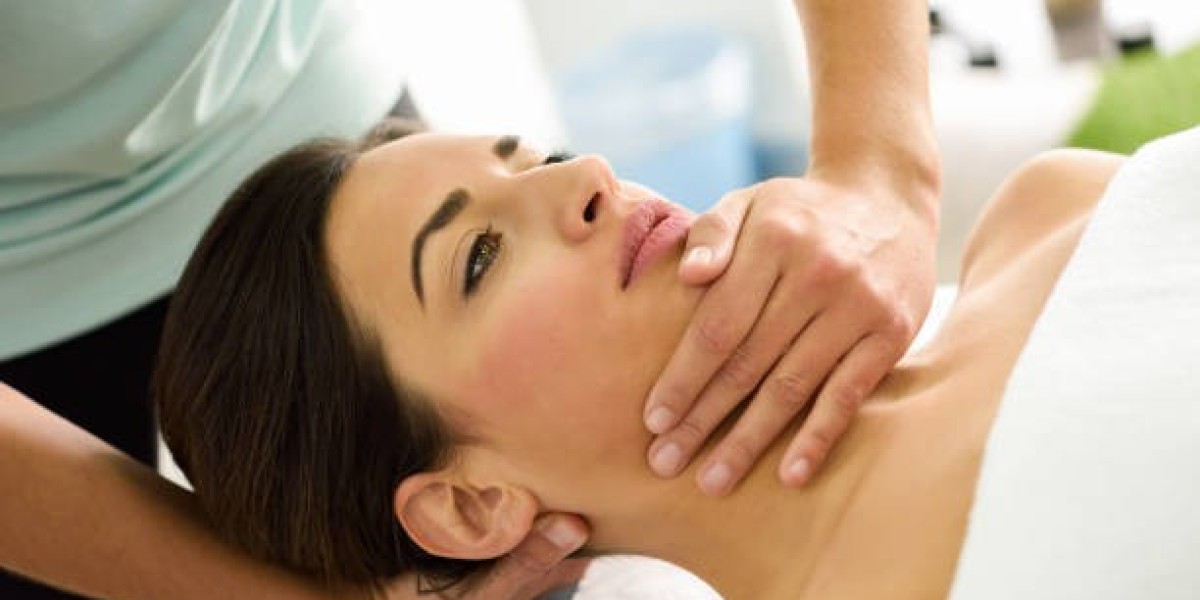
During an MLD session, the practitioner typically assesses the areas of concern and uses gentle movements along appropriate lymphatic pathways. The treatment may involve the face, neck, arms, abdomen, legs, or other areas depending on the individual's needs. The pressure should generally remain light, and the technique should be adapted to the person's condition and treatment goals.
Who May Consider Manual Lymphatic Drainage?
MLD may be considered by people experiencing certain types of fluid-related swelling or those who have been advised to include lymphatic techniques in a recovery plan. It may also appeal to individuals seeking a gentle massage approach as part of a wellness routine. However, not all swelling is caused by lymphatic issues, so professional assessment is important when symptoms are persistent or unexplained.
Is Manual Lymphatic Drainage a Detox Treatment?
MLD is sometimes described as a “detox” massage, but this terminology can be misleading. Its recognized purpose is related to supporting lymphatic fluid movement rather than removing unspecified toxins from the body. The body's lymphatic system and other organs already perform important physiological functions. Healthy nutrition, hydration, physical activity, and appropriate medical care remain important for overall wellbeing.
How Often Should MLD Be Performed?
There is no single schedule that applies to everyone. Frequency depends on the reason for treatment, individual response, and whether MLD is part of a medically recommended recovery plan. Some people may receive occasional sessions for temporary puffiness, while others may have a structured treatment schedule recommended by a qualified professional.
What Results Can You Expect?
The outcome of manual lymphatic drainage varies from person to person. Some individuals may notice reduced temporary swelling, a lighter sensation, or improved comfort, while others may experience primarily relaxation. Results depend heavily on the underlying cause of fluid accumulation. Lymphatic Massage in Riyadh should therefore be approached as a supportive technique rather than a guaranteed solution for every swelling or fluid-balance concern.
When Should You Avoid Self-Treating Swelling?
Sudden, severe, painful, or unexplained swelling should be medically evaluated before attempting massage. Swelling accompanied by significant redness, warmth, fever, difficulty breathing, chest discomfort, or swelling affecting only one limb may require prompt medical attention. MLD should not be used to delay investigation of potentially serious symptoms.
Book an Appointment at Royal Clinic Saudia
If you are considering manual lymphatic drainage for swelling, puffiness, or recovery support, professional guidance can help determine whether the technique is appropriate for your circumstances. At Royal Clinic Saudia, you can discuss your concerns and explore a personalized approach to lymphatic care. Book an appointment to learn more about suitable lymphatic massage options.